Leave Your Message

Why Is the Most Affordable Electric Car Worth Buying?

The Most Affordable Electric Car is no longer judged by sticker price alone. Buyers now examine charging costs, maintenance, battery coverage, and daily usability. A low purchase price can still disappoint if public charging is expensive or unreliable.

The International Energy Agency reported more than 14 million electric cars were sold worldwide in 2023. Electric vehicles reached about 18% of global new-car sales. That growth reflects improving technology, broader model choices, and stronger consumer confidence. BloombergNEF also reported that average lithium-ion battery prices fell to $139 per kilowatt-hour in 2023, a 14% annual decrease. Lower battery costs may support more affordable vehicles, although retail prices vary by market.

Ownership costs matter.

The U.S. Department of Energy explains that electric vehicles generally need less routine maintenance because they have fewer moving parts. There is no engine oil, exhaust system, or conventional transmission to service. Consumer Reports has estimated that EV owners can save thousands of dollars over a vehicle’s lifetime, depending on electricity rates, fuel prices, and driving distance. These findings are encouraging, but they are not universal.

A careful buyer should compare real charging access, winter-range changes, insurance premiums, and warranty terms. A compact EV parked beside a home charger may deliver quiet, inexpensive commuting every morning. The same car could be inconvenient for an apartment resident without reliable charging. That overlooked detail weakens many “cheapest EV” rankings. Affordability is personal. The best choice balances purchase price, practical range, dependable support, and long-term operating value.
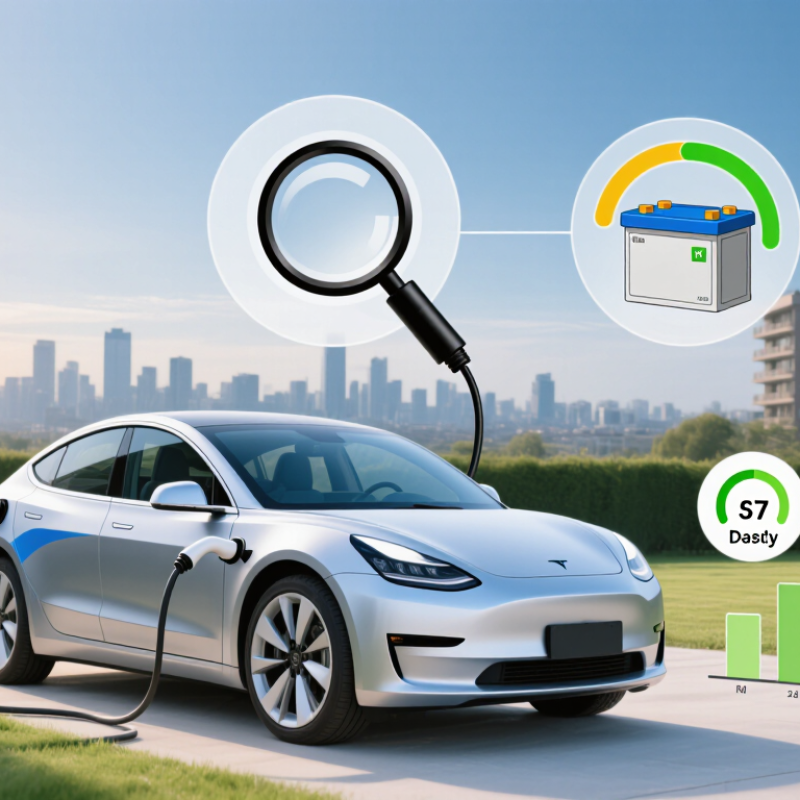
Why Is the Most Affordable Electric Car Worth Buying?

What Defines the Most Affordable Electric Car

What Defines the Most Affordable Electric Car

The most affordable electric car is not simply the one with the lowest sticker price. A useful comparison includes purchase costs, estimated energy use, insurance, and routine maintenance. Check the final price after any incentives you qualify for, since eligibility can vary. Then compare the total against a similar gasoline car over several years. A low price matters only if the vehicle fits your daily needs.

Range needs a real-world check. A modest battery may suit short commutes, but winter weather, highway speeds, and cabin heating can reduce distance between charges. Look at charging speed and connector access, too. A home charger can make ownership easier, while relying on public stations may add time and cost.

Small details count. Check safety equipment, warranty coverage, cargo space, and local repair options. Published range figures are estimates, not promises; I would avoid treating them as exact.

Even the definition of “affordable” is imperfect: a cheaper car with limited range may cost more in time or inconvenience. A short test drive and a realistic charging plan can reveal compromises that a price tag cannot.
How Its Purchase Price Compares with Other Vehicles

The most affordable electric car can look expensive beside a small gasoline car. Its sticker price may be higher by several thousand dollars. However, the comparison changes when similar equipment is included. Electric models often come with automatic safety features, quiet cabins, and simple transmission systems.

A fair price check should compare new with new. An entry-level electric car may cost about $25,000 to $30,000 before taxes and incentives. A basic gasoline vehicle can start lower, near $20,000. A hybrid often sits between them. Local rebates may reduce the electric car’s purchase price, but eligibility rules differ by location. Dealer fees, registration, and home-charging equipment also deserve attention.

Look at the invoice, not the advertisement. A $3,000 charging installation can weaken the price advantage. A driver without home parking may face public charging costs. That detail is easy to miss. On the other hand, electric cars usually need no oil changes, and their energy costs can be more predictable. Battery warranties also provide useful protection, though terms require careful reading.

My own price comparison would include three figures: the amount paid today, financing interest, and expected early maintenance. This method is less exciting, but more honest. I would also check winter range and insurance quotes before signing. The cheapest purchase is not always the cheapest decision. I may still choose the electric car, but only after measuring my daily distance and charging access.

Why Is the Most Affordable Electric Car Worth Buying?

How its purchase price compares with other new vehicle types in the United States

The entry-level electric car has a higher starting price than the least expensive gasoline car, but its MSRP remains close to several mainstream vehicle categories. Prices shown are U.S. starting MSRPs for 2024 model-year vehicles, excluding destination charges, taxes, registration, financing, and available incentives.

Source: Manufacturer-published U.S. starting MSRPs compiled from 2024 model-year vehicle specifications; vehicle categories are used instead of company or brand names.

What Features and Performance It Provides

An affordable electric car can provide more than low purchase cost. Its strongest advantage is everyday efficiency. The International Energy Agency reported that global electric car sales exceeded 14 million in 2023, showing wider consumer acceptance and improving technology.

The driving experience is usually quiet and immediate. Electric motors deliver maximum torque from a standstill, making city traffic feel responsive. Many entry-level models now offer regenerative braking, smartphone connectivity, automatic emergency braking, and a practical digital display. Battery prices also fell by 14% in 2023, reaching an average of $139 per kilowatt-hour, according to BloombergNEF. That trend supports more accessible pricing.

Range still needs honest evaluation. The U.S. Environmental Protection Agency measures efficiency under controlled conditions, but winter temperatures, highway speeds, and heavy heating can reduce real-world distance. This is easy to underestimate. Charging access matters too. The IEA recorded more than four million public charging points worldwide by the end of 2023, with strong annual growth. Home charging remains more convenient, especially overnight. An affordable electric car may feel less powerful at highway speeds, and cabin materials can seem basic. Yet its low running costs, smooth acceleration, and useful safety technology can make the compromises reasonable for daily commuting.

Why Is the Most Affordable Electric Car Worth Buying? - What Features and Performance It Provides

The figures below are broad, illustrative ranges for entry-level battery-electric cars. Equipment and performance vary by model, market, weather, driving style, and charging conditions.

Feature or measure Typical offering Why it matters
Driving range Many lower-cost models offer roughly 150–250 miles (240–400 km) per full charge, depending on configuration and test cycle. Can cover many daily commutes and local trips; longer journeys may require planned charging stops.
Battery capacity Often about 30–60 kWh in smaller, more affordable EVs. A smaller battery can help keep vehicle weight and purchase cost lower.
Acceleration Many compact EVs reach 60 mph (97 km/h) in roughly 6–10 seconds; actual times differ considerably. Electric motors deliver power smoothly and promptly, which can make everyday merging and city driving feel responsive.
Home charging A typical 7–11 kW Level 2 home charger can often replenish a small EV overnight; charging time depends on battery size and the car’s onboard charger. Regular home charging can make daily use convenient, especially when parking and electrical access are available.
Public fast charging Some entry-level EVs support peak DC charging around 50–100 kW. A 10–80% charge may take about 30–60 minutes under suitable conditions. Useful for longer trips, but charging speed changes with battery temperature, charger output, and the car’s charging curve.
Energy efficiency Compact EVs commonly use less energy per mile than larger electric vehicles; official efficiency ratings vary by model and test system. Lower energy use can reduce driving costs, particularly when charging at home. Local electricity prices determine actual savings.
Routine maintenance EVs do not require engine oil changes and generally have fewer drivetrain components than gasoline cars. Scheduled service may be simpler, though tires, brakes, cabin filters, and other items still require inspection or replacement.
Everyday technology Common equipment may include regenerative braking, a digital instrument display, smartphone connectivity, and selectable drive modes. These features support efficient driving and convenient access to navigation, media, and vehicle information; availability varies by trim.
Safety and driver assistance Safety equipment differs by vehicle and market. Check the specific car’s crash-test results and standard or optional driver-assistance features. Comparing verified safety ratings and included equipment helps determine overall value, not just the purchase price.
Best fit Often well suited to commuting, errands, and households with reliable home or workplace charging. It can offer strong everyday value when its range, charging access, passenger space, and total ownership costs match the driver’s needs.

How Charging Costs Affect Long-Term Ownership

Why Is the Most Affordable Electric Car Worth Buying?

How Charging Costs Affect Long-Term Ownership

Purchase price attracts attention, but charging costs shape everyday ownership. A small electric car may use about 15 kilowatt-hours per 100 kilometers. At a home rate of $0.16 per kilowatt-hour, driving 1,000 kilometers costs roughly $24. Add charging losses, and the real figure may approach $27. These losses are easy to forget.

Home charging usually offers the clearest savings. Public fast chargers can cost two or three times more, especially during busy periods. A driver covering 15,000 kilometers yearly might spend about $405 at home. The same distance could exceed $900 through frequent public charging. Installation also matters. A dedicated wall charger may require professional electrical work, adding a noticeable upfront expense.

Daily routines change the calculation. Apartment residents may depend on public stations, while homeowners can charge overnight beside the driveway. Cold weather can reduce efficiency, and an aging battery may charge more slowly. These details weaken simple online estimates. My first calculation would ignore waiting time and parking fees. That would be unrealistic. Keeping monthly records of distance, energy use, and charging prices gives a more honest ownership picture. A low purchase price remains attractive only when the charging routine fits real life.

Who Can Benefit Most from Buying It

The most affordable electric car is not automatically the best choice for every driver. It can make particular sense for commuters with predictable daily routes, especially those who can charge overnight at home. Picture a 30-mile round trip, a driveway outlet, and fewer stops at fuel stations. Small savings can add up. The U.S. Department of Energy’s Alternative Fuels Data Center explains that electric vehicles generally need less routine maintenance because they have fewer moving parts and no engine oil changes. Consumer Reports’ 2020 analysis of owner-reported costs estimated that electric vehicles could save about $4,600 in maintenance and repairs over 200,000 miles compared with gasoline vehicles. That is a long ownership horizon, though; actual costs depend on the car, mileage, and local repair options.

Budget-conscious households with a second vehicle may also benefit. They can use the electric car for errands and regular commutes, while keeping another vehicle for occasional long trips. Charging access matters more than a low sticker price. The International Energy Agency reported nearly 14 million electric car sales worldwide in 2023, showing that charging networks and model choices are expanding, but access remains uneven. Apartment residents who rely on public chargers may face extra time and cost. Not ideal. Before buying, compare the total price, home-charging costs, insurance quotes, and expected range in cold weather. I would not treat advertised savings as guaranteed: electricity rates, battery performance, and personal routines can change the calculation.