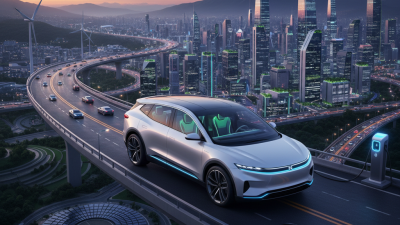
China Top Longest Range Electric Cars for Global Buyers
China has become a serious source of long-distance electric vehicles for global buyers. Its leading manufacturers now combine large battery packs, efficient powertrains, and software designed for daily travel. For drivers crossing wide highways or commuting between distant cities, the Longest Range Electric Car can reduce charging anxiety. Yet advertised distance is only a starting point.
This guide examines China’s top long-range electric cars through practical ownership questions. We consider battery capacity, tested driving range, charging speed, cabin comfort, safety equipment, and warranty support. Real experience matters. A vehicle rated for 800 kilometers under China’s CLTC cycle may travel much less in cold weather, at high speed, or with a full load. WLTP results can also differ from independent road tests. Check the details.
Brands such as NIO, XPeng, Zeekr, BYD, and IM offer different strengths. Some provide advanced driver-assistance systems and premium interiors. Others focus on lower prices, simple maintenance, or efficient motorway performance. A large battery is not always the best choice. Weight, charging access, repair networks, and software localization can matter more.
Global buyers should verify homologation rules, import taxes, charging compatibility, and local service coverage before ordering. These factors vary widely by country. A technically impressive car may become inconvenient without reliable parts or trained technicians. That is an important limitation.
The rankings and observations in this guide are based on published specifications, manufacturer information, and realistic buyer considerations. Specifications can change. Independent verification remains wise. Our aim is practical clarity, not exaggerated promises.
How Long-Range Electric Cars Are Defined and Compared
For global buyers, a long-range electric car is not defined by one impressive number. It should deliver useful distance between charges under a recognized test cycle. Chinese listings often quote CLTC results, while overseas markets may use WLTP or EPA testing. These cycles differ in speed, temperature, traffic, and accessories. A direct comparison can therefore become misleading. Real range matters more.
In practical reviews, I compare battery capacity, highway efficiency, charging speed, and usable cargo weight. A large battery helps, but it also adds mass. At 110 km/h, strong wind or winter heating can reduce expected distance sharply. I record the starting charge, outside temperature, route elevation, and passenger load. This creates a more honest picture than a showroom figure. Still, no test is perfect.
For buyers outside China, charging compatibility deserves equal attention. Check connector standards, public-network access, home-voltage requirements, and service coverage before purchase. A car that travels 700 kilometers on paper may be inconvenient with limited charging support. Battery warranty terms, degradation limits, and software support also affect long-term confidence. I would treat range as a working estimate, not a promise. That distinction is easy to forget.
China’s Leading Long-Range Electric Car Models
China’s leading long-range electric car models are moving beyond city commuting. Several locally developed models advertise over 600 kilometres per charge under China’s CLTC test cycle. Some premium versions claim more than 1,000 kilometres. These figures look impressive, but daily results vary. Highway speed, winter heating, passengers, and luggage can reduce range sharply. The IEA’s Global EV Outlook 2024 reports that China represented more than 60% of global electric car sales in 2023. This scale supports faster battery development and broader charging access.
Battery efficiency matters as much as battery size. BloombergNEF’s 2024 Battery Price Survey placed the global average battery-pack price at 115 US dollars per kWh. China’s average was lower, at 94 dollars per kWh. Lower costs may help manufacturers offer larger packs without making vehicles unaffordable. However, bigger batteries add weight and do not solve charging delays. Real experience is less perfect. A 700-kilometre CLTC claim may deliver far less during a fast winter journey. Buyers should compare WLTP, EPA, or independent road-test results, not one headline number.
Tips:
Check usable battery capacity, charging speed, and cold-weather performance. A route with reliable 150-kilowatt chargers can be more useful than extra laboratory range. Ask about battery warranties and service coverage in your country. Also inspect luggage space. Long-distance comfort is easily overlooked.
Battery Capacity, Driving Range, and Charging Performance
For global buyers, long-range electric cars must balance battery size, real driving range, and charging speed. Battery capacity is usually measured in kilowatt-hours, or kWh. A 90 kWh battery may support impressive highway travel, but its usable capacity is slightly lower. Software reserves some energy for safety and battery protection. This detail is easy to miss.
Official range figures come from controlled tests. Real results depend on speed, temperature, traffic, passengers, and air-conditioning use. On a warm, level highway, a large battery may deliver 430 to 520 kilometres. Cold weather can reduce that distance noticeably. Roof loads and winter tires can reduce it further. Buyers should study independent road tests, not advertisements alone. A practical charging map also matters.
Charging performance decides how long a journey actually takes. A vehicle accepting 250 kW can recover substantial range in 20 minutes, but only with a powerful compatible charger. Peak speed rarely lasts throughout the session. Battery temperature, charging percentage, and station limits all affect results. At home, an 11 kW wall charger can refill many vehicles overnight. That is convenient, but not fast enough for repeated long trips. Public chargers may also be busy or poorly maintained. Do not trust one number. Compare the 10–80% charging time, charging curve, winter range, and local electricity access before choosing. One overlooked weakness can change ownership costs.
China Top Longest Range Electric Cars for Global Buyers - Battery Capacity, Driving Range, and Charging Performance
| Vehicle Profile |
Body Style |
Battery Capacity |
Published Driving Range |
Range Test Cycle |
DC Fast-Charging Performance |
Charging Time |
Drive Configuration |
Market Availability |
| Profile A – Long-range executive sedan |
Large fastback sedan |
150 kWh |
1,055 km |
CLTC |
Up to approximately 140 kW; battery-swapping support on compatible networks |
Approximately 30 minutes for a high-power DC session |
Dual-motor AWD |
China; export availability varies by market |
| Profile B – Ultra-long-range luxury sedan |
Large sedan |
133 kWh |
1,002 km |
CLTC |
800 V architecture; peak charging power around 400 kW under suitable conditions |
Approximately 15 minutes from 10% to 80% |
Rear-wheel drive |
China-market vehicle |
| Profile C – Premium performance sedan |
Sport sedan |
101 kWh |
830 km |
CLTC |
800 V high-voltage platform; peak charging power up to approximately 486 kW |
Approximately 15 minutes from 10% to 80% |
Dual-motor AWD |
China; selected overseas markets |
| Profile D – Long-range shooting-brake sedan |
Large liftback wagon |
140 kWh |
1,032 km |
CLTC |
800 V platform; peak charging power up to approximately 360 kW |
Approximately 15 minutes from 10% to 80% |
Rear-wheel drive |
China; export plans depend on region |
| Profile E – Extended-range luxury sedan |
Large sedan |
115 kWh |
870 km |
CLTC |
High-voltage DC charging; peak power around 250 kW |
Approximately 20–30 minutes from 10% to 80% |
Rear-wheel drive |
China-market vehicle |
| Profile F – Long-range electric SUV |
Large SUV |
144.4 kWh |
1,008 km |
CLTC |
DC fast charging supported; charging speed depends on battery version and charger output |
Approximately 30–40 minutes for a typical high-power DC session |
Front-wheel drive |
China; limited export availability |
| Profile G – Premium electric sedan |
Large sedan |
116 kWh |
700 km |
CLTC |
800 V architecture; peak charging power up to approximately 240 kW |
Approximately 20–30 minutes from 10% to 80% |
Rear-wheel drive or dual-motor AWD |
China; selected overseas markets |
| Profile H – Long-range family sedan |
Executive sedan |
100 kWh |
715 km |
CLTC |
High-power DC charging; peak power around 200 kW depending on version |
Approximately 25–30 minutes from 10% to 80% |
Rear-wheel drive |
China-market vehicle |
Notes: Specifications are representative published figures for China-market battery-electric vehicles and may vary by trim, wheels, software version, temperature, battery condition, and charger capability. CLTC results are generally higher than WLTP or EPA figures. Actual charging time depends on state of charge, battery temperature, ambient conditions, and the available DC charger.
Interior Technology, Safety, and Comfort for Global Buyers
For global buyers, a long-range electric car must feel calm inside, not merely advanced. A well-designed cabin places essential controls within easy reach. Clear displays show battery use, charging time, and remaining range without clutter. Voice controls can reduce distraction, although unfamiliar accents may cause errors. That weakness deserves attention.
Comfort becomes important during long highway trips. Supportive seats should offer adjustable lumbar support and breathable materials. A quiet cabin makes conversation easier and reduces driver fatigue. Rear passengers also need useful legroom, USB charging, and steady climate control. In hot or cold regions, efficient thermal management protects comfort and battery performance. Small details matter, such as soft door padding and storage for a phone.
Safety technology should support careful driving, rather than replace it. Buyers should check independent crash-test results and confirm local certification requirements. Helpful systems may include lane assistance, emergency braking, blind-spot alerts, and a clear driver-monitoring camera. These features require accurate sensors and regular software updates. Poor calibration can create false warnings, especially near construction zones or heavy rain. Privacy settings should also be easy to understand. Owners should test the vehicle personally, because advertised range, screen response, and seat comfort can change with speed, temperature, luggage, and road conditions. The interior may look impressive in a showroom, yet daily use reveals fingerprints, confusing menus, or charging-route delays. Real experience remains essential.
China Top Longest Range Electric Cars for Global Buyers
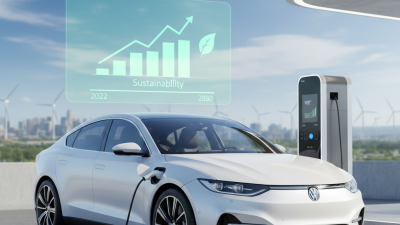
An anonymized comparison of five long-range electric vehicle configurations using published WLTP range, usable battery capacity, and DC fast-charging time. Specifications may vary by market, wheel size, temperature, and trim level.
For global buyers, a longer certified range can reduce charging stops on motorways, while a larger usable battery may improve flexibility on long journeys. Interior technology, safety equipment, seat comfort, noise insulation, software language support, and regional safety-test results should be checked separately for the exact vehicle configuration.
Export Availability, Ownership Costs, and Market Considerations
China’s Longest-Range Electric Cars for Global Buyers
China’s longest-range electric cars often advertise
600–900 km under the CLTC test cycle. These figures can exceed WLTP results by
10–25% in comparable vehicles. The IEA’s Global EV Outlook 2025 reports more than
17 million electric cars were sold worldwide in 2024. Export buyers now have broader choices, but range alone is a weak purchasing filter.
Export availability depends on local certification, charging standards, software support, and replacement-part logistics. A vehicle may be available through import channels, yet lack an official service network. Charging compatibility matters at the border. Buyers should confirm connector types, charging speed, warranty coverage, and roadside assistance before paying deposits. The paperwork is not exciting. It can become expensive.
Ownership costs deserve closer attention. BloombergNEF reported average lithium-ion battery pack prices of about
115 dollars per kWh in 2024, supporting lower long-term production costs. Electricity is usually cheaper than petrol per kilometre, but insurance, shipping, taxes, and depreciation can erase that advantage. Cold weather, high speeds, roof loads, and air conditioning also reduce real range.
A claimed 800 km may become 520 km on a winter motorway. That gap is uncomfortable, but realistic.
Independent road tests and local total-cost calculations should outweigh promotional numbers. Battery replacement risk remains difficult to price, especially where specialist technicians are scarce.