How to Choose the Best New Energy Car for Your Business?
Choosing the right vehicle for your business is crucial. With the rise of environmental awareness, the New Energy Car has become a popular choice. These vehicles not only reduce your carbon footprint but can also enhance your company’s image.
When selecting a New Energy Car, consider its range and charging infrastructure. Look for models that have a proven track record of reliability. Some cars may have impressive specifications but fail in real-world conditions. It's essential to read user reviews and expert opinions. Don’t overlook the warranty and after-sales support, as these factors can significantly affect your ownership experience.
However, it’s important to reflect on your specific needs. An electric vehicle might not be suitable for all types of businesses. Think about your daily operational demands. Reviewing actual usage scenarios can help pinpoint potential challenges. Balancing efficiency with practicality is key. Exploring these options can lead you to the best decision for your business needs.
Understanding Your Business Needs and Goals for Energy Transition
Choosing the right new energy car for your business hinges on a clear understanding of your unique needs. Assess the core goals of your energy transition. Do you aim to reduce costs, enhance sustainability, or meet regulatory requirements? Clarifying these goals will shape your decisions and narrow down options.
Begin by evaluating your operational requirements. Consider vehicle range and charging infrastructure. If your team travels long distances, a car with extended battery life is crucial. A business with a small local reach might prioritize charging convenience over range. Reflect on employee preferences as well; a well-chosen vehicle can improve morale and productivity.
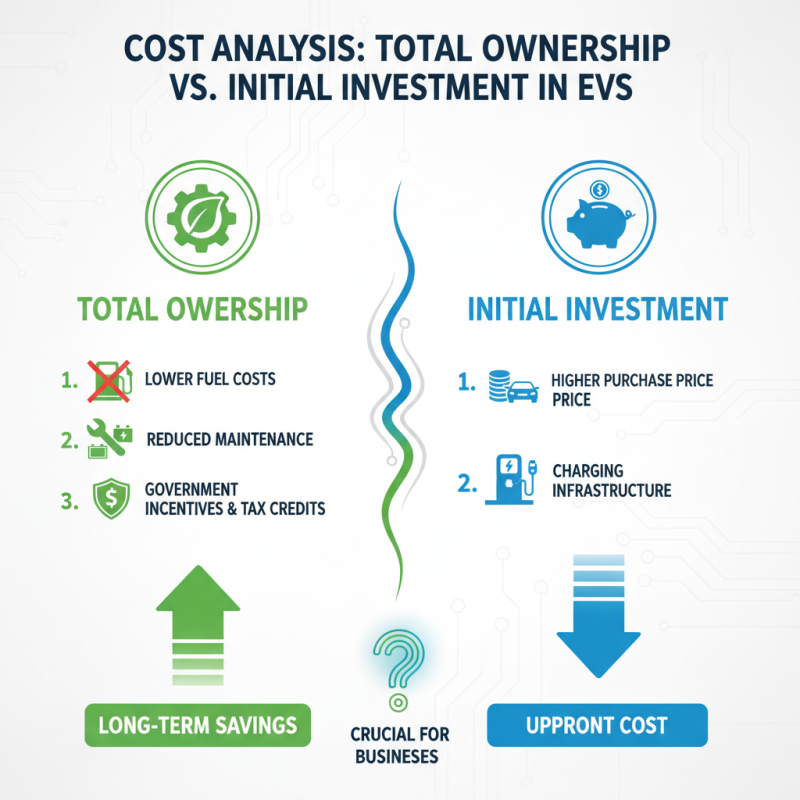
Think about financial aspects too. While new energy cars often have a higher upfront cost, they can save money long-term through lower fuel and maintenance expenses. Explore available incentives and grants. These can impact your budget and influence model selection. It's important to gather insights from industry experts or peers to enhance your decision-making process.
Evaluating Different Types of New Energy Vehicles Available
When evaluating different types of new energy vehicles (NEVs), it's crucial to consider various models available in the market. NEVs primarily include electric vehicles (EVs), plug-in hybrid electric vehicles (PHEVs), and hydrogen fuel cell vehicles (FCVs). According to the International Energy Agency (IEA), electric vehicles accounted for 8.3% of global vehicle sales in 2021, highlighting their growing popularity.
Various models come with unique features. EVs are known for lower operating costs and zero tailpipe emissions. In comparison, PHEVs offer flexibility, allowing businesses to switch between electric and gasoline power. FCVs, while less common, can provide extended range and rapid refueling. Businesses should analyze their operational needs before making a decision.
While the data suggests a shift towards NEVs is beneficial, not all models suit every business. Range anxiety is a challenge for some EVs. Charging infrastructure is still developing in many regions. For companies operating in remote areas, this may pose difficulties. Balancing cost-effectiveness with environmental responsibility remains essential. Exploring the right choice can enhance your operations significantly.
Comparison of Different Types of New Energy Vehicles for Business
Assessing Environmental Impact and Sustainability Factors
When considering a new energy car for your business, sustainability factors play a significant role. Many companies are shifting towards electric and hybrid vehicles to reduce their carbon footprints. These vehicles often provide lower emissions than traditional gasoline cars, which is crucial for any environmentally-conscious business. However, it’s essential to evaluate the actual benefits these cars provide versus their initial costs.
The environmental impact of a car extends beyond emissions. The production process can also be carbon-intensive. Materials used in batteries often require mining, which can harm ecosystems. Researching manufacturers’ practices is vital. Look for companies that prioritize sustainable sourcing and ethical manufacturing. Local incentives for electric vehicles can also shape your decision.
Understanding the long-term sustainability is key. Batteries need proper recycling and replacement, which is often overlooked. Think about the lifecycle of the vehicle and its components. Look for programs that assist in battery recycling. It's crucial to reflect on your business's unique needs. Investing in a vehicle that aligns with your sustainability goals can reinforce your commitment to the environment.
Exploring Incentives and Subsidies for New Energy Cars for Businesses
When considering new energy cars for your business, incentives and subsidies play a crucial role. Many governments offer various financial aids to promote the adoption of clean vehicles. These can drastically reduce both initial purchase costs and ongoing operational expenses. If a business is well-informed about these programs, they can make a cost-effective choice.
Incentives can come in many forms, such as tax rebates, grants, or reduced registration fees. Certain regions may also provide exemptions from emission-related fees. However, the eligibility for these incentives can vary. This means businesses must do thorough research to ensure they qualify. Consulting with a local expert can clarify the complexities of these programs.
It is essential to remain aware of the evolving nature of subsidies. Some programs may be temporary or subject to change. Therefore, staying updated on new policies is critical for any business considering new energy vehicles. They need reliable information to navigate this landscape effectively.