Why Choose a Fully Electric SUV for Your Next Purchase?
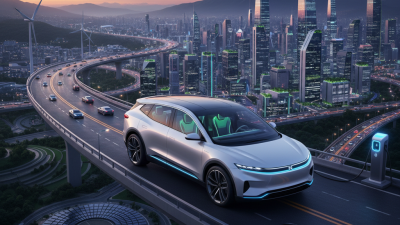
Considering a new vehicle? A fully electric SUV might be your best choice. These vehicles are gaining immense popularity for good reasons. Hybrid models offer some advantages, yet fully electric SUVs stand out in numerous ways.
The appeal of a fully electric SUV is evident. They produce zero emissions, making them environmentally friendly. With advancements in battery technology, many electric SUVs now offer impressive ranges. You'll find models that can travel well over 300 miles on a single charge. This range makes daily commutes or road trips more convenient.
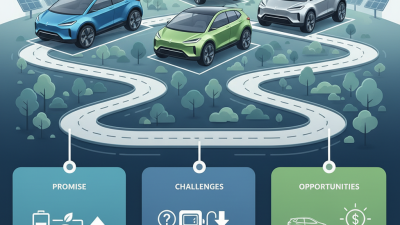
However, making the switch isn’t without its challenges. Charging infrastructure can vary by location, and charging times can be longer than refueling traditional cars. It's essential to consider your lifestyle and driving habits. Researching your options is critical to ensure the vehicle fits your needs. The benefits of a fully electric SUV can greatly outweigh the drawbacks, especially as technology progresses.
Benefits of Going Fully Electric: Environmental Impact
The choice of a fully electric SUV reflects a growing commitment to the environment. Electric SUVs produce zero tailpipe emissions. This directly contributes to cleaner air in urban areas. By choosing electric, drivers support efforts to reduce greenhouse gases. Fossil fuels emit carbon dioxide, a major contributor to climate change.
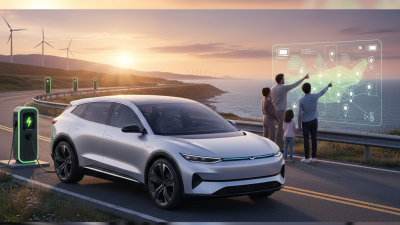
Electric vehicles (EVs) play a vital role in reducing our carbon footprint. They are often more energy-efficient than traditional gas-powered SUVs. Moreover, they can be powered by renewable energy sources, like solar or wind. This means charging your vehicle can be environmentally friendly, unlike the gasoline supply chain.
Yet, the transition is not without challenges. Charging infrastructure can be lacking in certain areas. Range anxiety, or the fear of running out of charge, is a real concern for potential buyers. It's crucial to weigh the benefits against these drawbacks. Understanding both perspectives leads to more informed decisions. This awareness fosters a sustainable mindset, essential for our planet's future.
Cost Savings: Analyzing Long-Term Financial Advantages
Choosing a fully electric SUV can lead to significant long-term financial benefits. The cost of electricity is generally lower than gasoline. This shift reduces daily commuting expenses over time. For example, charging at home often costs less than a full tank of gas. Many regions also offer incentives like tax credits, making the purchase even more attractive.
Maintenance costs for electric vehicles are usually lower. They have fewer moving parts than traditional cars. This means fewer repairs and less frequent servicing. However, it’s important to consider the initial purchase price, which can be higher. Buyers often hesitate, unsure if they’ll save enough in the long run. Assessing local charging infrastructure is crucial too. Limited access can add inconvenience and costs.
Moreover, fluctuating gas prices can impact overall savings. Electric vehicles help shield owners from these changes. Nonetheless, some may find the transition challenging. Charging habits take time to adapt to. Overall, a fully electric SUV often proves to be a wise financial choice in the long run. The journey toward electric mobility may have obstacles, but the potential for cost savings is undeniable.
Performance and Technology: Innovations in Electric SUVs
Electric SUVs are at the forefront of automotive innovation. They bring not just eco-friendliness but also exceptional performance. According to a recent study by the International Council on Clean Transportation, electric SUVs deliver up to 70% more torque than traditional gasoline engines. This translates to faster acceleration and a more exhilarating driving experience. The instant torque available in electric vehicles allows for seamless and responsive performance, ideal for urban environments.
Technology in electric SUVs is evolving rapidly. Many models now feature advanced driver-assistance systems. These systems enhance safety and convenience, making driving less stressful. A report from McKinsey highlights that 85% of consumers are interested in at least one type of semi-autonomous driving feature. This trend reflects a growing demand for smarter vehicles. Moreover, wireless charging systems are being developed, which could redefine how we think about fueling our cars.
However, challenges remain. Battery range anxiety is still a concern for many potential buyers. While most electric SUVs now offer over 300 miles on a single charge, there are still questions about charging infrastructure and battery longevity. Manufacturers must continue improving these aspects to meet consumer expectations. Addressing these issues with transparency will be vital for gaining consumer trust.
Performance Comparison of Electric SUVs vs. Traditional SUVs
Charging Infrastructure: Accessibility and Convenience for Users
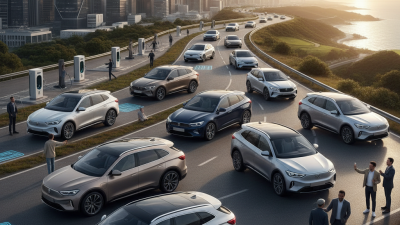
The surge in electric vehicle (EV) popularity has made charging infrastructure a key consideration for buyers. According to the International Energy Agency, there were over 1.8 million public charging points worldwide as of 2022. This growth enhances accessibility, making it easier for users to charge their fully electric SUVs.
Despite this progress, the charging experience can be inconsistent. Many charging stations have limited availability, leading to longer wait times in some areas. Cities often struggle with providing enough infrastructure to meet increasing demand. This inconsistency can affect a buyer's confidence in transitioning to electric.
Tips: When considering an electric SUV, research the charging stations available in your area. Predict demand by checking charging networks and local policies. Additionally, consider locations like shopping centers or workplaces that offer charging options. This can greatly increase your convenience as an EV user.
Moreover, while home charging remains ideal, not everyone has this option. It's important to evaluate whether you're able to install a home charger or if you’ll be relying more on public infrastructure. Addressing these factors will be vital in making an informed decision about your electric SUV purchase.
Why Choose a Fully Electric SUV for Your Next Purchase? - Charging Infrastructure: Accessibility and Convenience for Users
| Charging Station Type |
Average Charging Time |
Availability in Urban Areas (%) |
Availability in Rural Areas (%) |
Cost per Charge ($) |
| Level 1 Charging |
8-12 hours |
50% |
20% |
5 |
| Level 2 Charging |
4-6 hours |
70% |
40% |
10 |
| DC Fast Charging |
30 minutes |
85% |
30% |
20 |
| Home Charging |
8 hours |
40% |
60% |
0 |
Comparative Analysis: Electric SUVs vs. Traditional Gasoline Vehicles
Electric SUVs are becoming more popular among consumers wanting an eco-friendly option. A report from the International Energy Agency (IEA) reveals that electric vehicles (EVs) could make up to 30% of global car sales by 2030. These vehicles emit no tailpipe emissions, making them a cleaner choice compared to traditional gasoline options.
However, ownership costs can be complex. According to a study by the U.S. Department of Energy, the cost of electricity to fuel an EV is about half that of gasoline per mile. On the other hand, the initial purchase price of an electric SUV can be higher. This upfront cost may deter some buyers, even though incentives are available. Range anxiety remains a concern, as some drivers fear running out of battery before reaching a charging station.
Charging infrastructure is rapidly expanding, yet it is not uniform. Urban areas often have better access than rural ones. A survey by Consumer Reports found that 28% of EV owners still worry about finding public charging stations. Despite these challenges, electric SUVs generally require less maintenance and have a longer lifespan. This may ultimately lead to savings in the long run for discerning buyers.