How to Choose the Right Electrical Car for Your Needs?
Choosing the right electrical car is a significant decision that impacts your daily life. With the growing market, options can be overwhelming. Understanding your needs is essential.
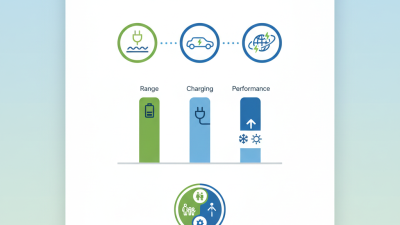
When selecting an electrical car, consider your commuting distance. Not all electric vehicles (EVs) offer the same range. Check battery longevity and charging speed. Each model varies greatly in these areas.
Budget is another critical factor. Some electrical cars have a high initial cost but lower long-term expenses. This can be confusing. Remember to research potential incentives and tax rebates, as they can make a big difference. Don't rush your choice. Reflect on your lifestyle and choose wisely.
Understanding Your Driving Needs and Lifestyle Requirements
When choosing an electric car, understanding your driving needs and lifestyle requirements is crucial. Each person's situation differs, and an electric vehicle (EV) should fit seamlessly into your daily life. Think about how often you commute and the distance you usually travel. If you have a long daily drive, consider a model with a larger battery range to avoid frequent charging.
City dwellers might prioritize compact cars that are easier to park and maneuver. In contrast, families often need more space for passengers and cargo. Assess your charging options too. If you can charge at home, you may opt for a lower-range vehicle, but if public stations are your only option, a longer range would be beneficial.
Budget is another key element. You might be drawn to the latest features and technology, but reflect on what you truly need. Some vehicles may come equipped with advanced autonomous driving capabilities that you may never use. Weigh these options against your budget to ensure you won't stretch your finances too far. Remember, the right choice aligns with your needs, not just trends.
How to Choose the Right Electrical Car for Your Needs?
| Feature |
Description |
Considerations |
| Range |
The distance the car can travel on a single charge. |
Consider daily commute length and long trips. |
| Charging Time |
How long it takes to fully charge the battery. |
Check availability of fast chargers on routes. |
| Battery Life |
Expected lifespan of the battery and warranty details. |
Research battery longevity and degrade rates. |
| Interior Space |
Passenger and cargo capacity of the vehicle. |
Consider family size and traveling needs. |
| Cost |
Initial purchase price and potential rebates. |
Look into total cost of ownership including maintenance. |
| Safety Ratings |
Standards and ratings provided by safety organizations. |
Check crash test results to assess vehicle safety. |
Evaluating Range and Battery Life for Daily Use
When selecting an electric car, range and battery life are crucial. Consider your daily commuting distance. If your round trip is under 100 miles, a model with a smaller battery might suffice. However, if you frequently travel longer distances, you will need a vehicle with greater range. This ensures you won’t be stranded without a charging station.
Battery life is another vital aspect. An electric vehicle’s battery may degrade over time. Regular charging habits can influence longevity. For daily use, a good practice is to charge your car overnight. Use a home charger for convenience. It’s essential to monitor battery health as well. Some models offer apps to track battery status.
Not all electric vehicles perform the same in real-world conditions. Factors like climate and driving style can affect range. Cold weather can reduce battery capacity. Aggressive driving habits can drain the battery faster than expected. Be mindful of these elements when making your choice. Ensure that the vehicle meets your lifestyle needs effectively. Always reflect on how these factors align with your requirements.
Considering Charging Options and Infrastructure Availability
When choosing an electric car, consider the availability of charging options in your area. Charging infrastructure significantly impacts your daily use and long trips. Look for locations with a variety of charging stations. This ensures you’re not left stranded with a low battery.
Many urban areas offer fast chargers. However, rural locations may lack sufficient charging points. Research the charging networks available near you. Check maps to find charging stations along your primary routes.
Tips:
Plan your routes. Use apps to locate chargers on your way. Avoid running out of charge by knowing your car's range.
Review your lifestyle. If you drive frequently, look for models compatible with home charging. This can save you time.
Consider charging speeds. Faster options reduce downtime, which is crucial for busy schedules. Fast charging may come at higher costs, so factor that in.
Assessing Budget and Incentives for Electric Vehicles
When choosing an electric car, budget plays a critical role. Prices can vary widely among models. Consider your maximum budget to narrow down options. Look not only at the purchase price but also at maintenance costs. Electric vehicles (EVs) usually have lower upkeep expenses than traditional cars, which is encouraging.
Incentives are crucial to making an electric vehicle affordable. Many governments offer tax credits or rebates for EV purchases. These savings can offset the initial costs significantly. Some states provide additional benefits like access to carpool lanes or reduced registration fees. Research the incentives specific to your area, as they can influence your decision dramatically.
However, it's essential to remember that incentives may change. Policies can shift based on political climates or budget constraints. Therefore, staying updated on local regulations is necessary. This could affect your long-term ownership costs. Evaluate all financial aspects carefully to ensure you make the best choice for your driving needs.
Comparing Features and Technology in Different Models
When selecting an electric car, examining features and technology is crucial. Battery life and charging speed are fundamental. A longer battery range can boost convenience. Look for models with fast-charging capabilities. These make long trips more manageable. Many drivers appreciate these features.
Infotainment systems vary widely among electric car models. Some offer advanced navigation and seamless smartphone integration. Others might lack such sophistication. If tech is your priority, researching these options helps avoid disappointments. Assess user interface designs as well. Clarity and ease of use greatly enhance the driving experience.
Safety features also deserve attention. Automated emergency braking and lane-keeping assist are common today. However, the effectiveness of these technologies can differ. It's wise to check safety ratings and understand each technology's limitations. Test-driving can reveal much about real-world performance. Consider how each model aligns with your lifestyle and needs. This process requires reflection and may take some time.