Why Is the Most Affordable Electric Car So Popular?
A low purchase price makes an electric car easier to consider, especially for city drivers watching fuel and household costs. The Most Affordable Electric Car is popular not only because it costs less upfront, but because it makes electric driving feel attainable. Buyers may picture a small car slipping into a tight parking space, then charging overnight at home. That everyday convenience matters.
The market data supports the wider appeal. The International Energy Agency’s Global EV Outlook 2024 reported nearly 14 million electric car sales worldwide in 2023, about 18% of all new car sales. China accounted for roughly 8.1 million sales, showing how strongly lower-priced models can resonate in a large, competitive market. BloombergNEF’s 2024 battery-price survey also found that average lithium-ion battery pack prices fell 20% from 2023, to $115 per kilowatt-hour. Lower battery costs can help automakers offer more affordable vehicles, though they do not guarantee a low showroom price.
Still, price is only part of the calculation. Insurance, charging access, local incentives, and resale value can change what a buyer actually pays. A cheap EV may be less appealing to someone without reliable home charging. That matters. It is easy to overstate affordability when focusing only on the sticker. The most useful comparison considers the full ownership picture, not just the first number on the window. This introduction examines why budget electric cars attract attention—and where their appeal has limits.
What Defines the Most Affordable Electric Car?
“Most affordable” is not always the same as “lowest sticker price.” The starting price shows what a car costs before taxes, optional equipment, and any applicable incentives. Those incentives vary by location and eligibility, so check them rather than assuming they apply.
A useful comparison includes the cost of charging, insurance, maintenance, and home-charging equipment. Electricity rates differ, and public fast charging may cost more than charging overnight at home. For example, someone with a 25-mile daily commute may need less range than a driver who regularly travels between towns. That changes which low-priced car feels practical.
The details matter. Check the estimated range, charging speed, battery warranty, and passenger space, not just the price tag. Cold weather and highway driving can reduce real-world range, so advertised estimates may not match every routine. A smaller cabin or slower charging may help keep a purchase price down. Sometimes that trade-off is fine; sometimes it becomes frustrating. And honestly, a spreadsheet cannot fully capture the hassle of finding a charger on a rainy evening. Compare the car with your actual parking, charging access, and weekly mileage.
Why Is the Most Affordable Electric Car So Popular?
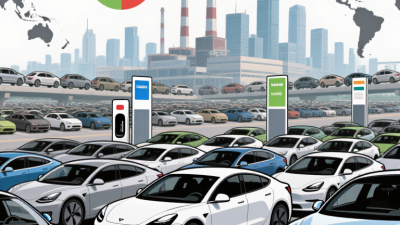
Global electric car sales rose rapidly as more buyers gained access to electric vehicles.
Global sales grew from 2.2 million in 2019 to about 17 million in 2024. This chart shows the broader rise in electric-car popularity, not sales of any single model. A lower purchase price can make an electric car accessible to more buyers, while running costs and charging access also influence ownership decisions.
Source: International Energy Agency, Global EV Outlook. Figures are approximate.
How Its Purchase Price Compares with Other Electric Cars
An electric car’s popularity often begins with a number shoppers can see immediately: its purchase price. For many buyers, a lower sticker price makes electric driving feel reachable, not merely appealing. That gap matters. Compared with electric cars listed around $35,000 to $45,000, a model near $30,000 can save several thousand dollars before fees. Actual prices shift by trim, delivery charges, and local incentives. Those details deserve checking.
A lower entry price may also mean fewer standard features or a smaller battery than pricier alternatives. Compare the exact versions, not just the headline figures. Check the window sticker, then look at range, charging speed, and included safety equipment. A difference of a few thousand dollars can feel smaller if a costlier car better fits a long commute or frequent winter travel. But needs vary.
A cheap headline can still mislead; the comparison is incomplete without taxes, financing, and available rebates. Incentives depend on location and eligibility, and they may change. Ask for an itemized quote before comparing offers. Then consider the monthly payment alongside the amount due at purchase. The least expensive option can be a sensible choice, though it may require compromises worth noticing.
Which Features Support Everyday Driving Needs?
Everyday usefulness begins with an ordinary trip, not a headline range figure. The U.S. Department of Energy says Americans drive about 37 miles a day on average. That makes a modest-range electric car practical for many commutes, but cold weather, highway speeds, and detours can shrink its usable range. A clear battery display helps drivers plan without guesswork. So does predictable regenerative braking, especially in stop-and-go traffic. Small comforts count, too: quick cabin heating and easy-to-reach controls make a rainy morning less irritating.
Charging access can matter more than a long list of features. The International Energy Agency’s Global EV Outlook 2024 reports that public charging points worldwide exceeded four million in 2023, growing by more than 40 percent that year. Yet chargers are not evenly distributed, and home charging is not available to every driver. A practical low-cost model should make charging status easy to check and offer enough cabin and cargo space for groceries, backpacks, or a folded stroller. Safety features such as automatic emergency braking can support daily driving, but drivers should check which systems are standard. A low purchase price is appealing. It can still feel costly if real-world range or charging access falls short.
How Charging Access and Running Costs Shape Ownership
Why Is the Most Affordable Electric Car So Popular?
The appeal of an affordable electric car often begins with a practical question: where will it charge? For drivers with a driveway, plugging in overnight can feel almost effortless. A home charger, or sometimes a standard outlet, may cover ordinary daily travel, though charging speed varies. That routine changes for apartment residents. Public chargers can be convenient, but availability, queues, and prices differ by location and time. One evening detour to a busy station can make the low purchase price feel less simple.
Running costs are where careful arithmetic matters. Electricity is often cheaper per mile than gasoline, but the result depends on local rates, efficiency, and charging habits. Charging at home during lower-priced hours may reduce costs; relying on rapid public charging can narrow the gap. Maintenance may be simpler because there are fewer routine engine-related services, yet tires, insurance, and repairs still count. Those bills are easy to overlook. A buyer should compare a realistic monthly estimate, not just the advertised starting price.
Ownership also asks for small adjustments. Drivers may plan longer trips around charger locations and leave extra time in cold weather, when range can fall. That is manageable for some, irritating for others. Even household routines matter: a shared parking space or a cable crossing a walkway can complicate charging. The appeal is not only a lower purchase price. It depends on charging access that fits daily life and savings that hold up under an honest cost check. I would still test the parking routine before deciding.
Why Affordability Helps Explain Its Popularity
An affordable electric car appeals because it can make electric driving feel within reach, not reserved for high budgets. A lower purchase price may leave room for a home charger, winter tires, or unexpected repairs. That matters to commuters watching monthly costs. It also makes the first step less intimidating. The savings are not automatic, though. Electricity rates, insurance, local incentives, and charging access can change the real cost.
Practical value helps explain the car’s popularity, too. A small battery may suit a short daily commute, but feel limiting on a long weekend trip. Picture a cold morning, a full trunk, and a charger several miles away. Range can fall in cold weather, so check independent tests and compare them with your own driving routine. Public charging prices and availability vary by location. A low sticker price is useful, but comfort, safety equipment, and warranty coverage deserve a close look. It is easy to focus on the purchase price and miss those details.
Tips: Estimate your weekly miles, check charging options near home and work, and compare insurance quotes before buying. Take a test drive on familiar roads. Small details count.