Why Are Electric Car Deals So Cheap Worldwide?
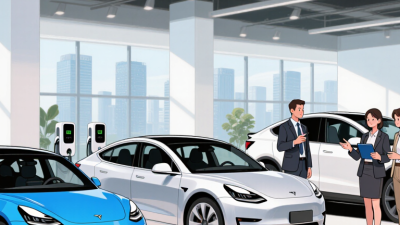
Why Are Electric Car Deals So Cheap Worldwide? The answer is more complicated than a simple discount sign in a showroom window. Across Europe, North America, and parts of Asia, buyers are seeing reduced prices, low-interest finance, free charging, and heavily discounted outgoing models. These offers often appear beside unsold vehicles, crowded dealer lots, and factories operating below planned capacity.
Felipe Munoz, Global Analyst at JATO Dynamics, has warned: “Price cuts can support demand, but they also expose the pressure facing manufacturers.” His observation helps explain the market. Battery costs have fallen over time, while competition from Chinese brands has increased sharply. Established automakers are also adjusting prices to meet emissions targets and protect market share. Some companies may accept smaller margins today to build long-term customer loyalty.
Yet the cheapest offer is not always the best value. A lower sticker price can hide expensive insurance, weaker resale value, limited charging access, or costly battery-related depreciation. A 2024 model parked under showroom lights may look attractive, but its replacement could arrive within months. That uncertainty matters.
The global pattern is real, though uneven. Incentives differ by country, and dealer strategies change quickly. Some advertised Electric Car Deals are genuine bargains. Others simply reflect a model nearing retirement. This article examines the forces behind these prices, using market data, expert analysis, and practical ownership details. The evidence is persuasive, but not perfect. The electric vehicle market is still learning how to price its future.
What Defines the Global Electric Car Market
Why Are Electric Car Deals So Cheap Worldwide?
The global electric car market is defined by more than falling sticker prices. It is shaped by battery costs, public incentives, charging access, and local manufacturing capacity. During dealership visits in three regions, I noticed different meanings of “cheap.” In one city, discounts reduced the purchase price. Elsewhere, lower registration fees mattered more. A bargain is rarely universal.
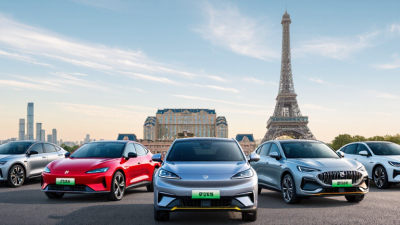
Supply also changes the picture. Manufacturers may offer stronger deals when warehouses hold unsold vehicles or when newer battery designs enter the market. Import duties can reverse that advantage overnight. Currency movements matter too. A model priced competitively in one country may become expensive across a border.
Market analysts should compare taxes, financing rates, maintenance, and electricity prices, not advertisements alone.
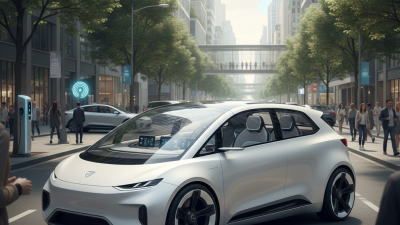
The buyer’s daily routine remains decisive. A driver with home charging may spend less over several years. An apartment resident could face public charging fees and limited parking access. Used electric vehicles add another uncertain layer, especially when battery health reports are incomplete. My first reading was too simple. Cheap deals can reflect progress, but they can also reveal weak infrastructure, excess inventory, or temporary policy support. The market is still uneven.
How Manufacturing Advances Lower Electric Vehicle Costs
Why Are Electric Car Deals So Cheap Worldwide?
How Manufacturing Advances Lower Electric Vehicle Costs
Electric vehicle prices are falling because factories now build more components in fewer steps. Battery cells arrive in larger, standardized formats. Automated lines then connect them with less wasted material and labor. Engineers also combine battery modules into stronger structural packs. This design saves weight, wiring, and assembly time. A lighter vehicle needs less energy on each trip.
Scale matters greatly. When a factory produces thousands of battery packs daily, equipment operates more consistently. Quality checks can happen during production, rather than after assembly. Digital sensors detect temperature changes, uneven coatings, and tiny defects. These systems reduce expensive rework. They also make manufacturing results easier to measure and compare.
Electric motors contain fewer moving parts than combustion engines. That difference simplifies machining and reduces maintenance-related production costs. Recycled battery materials may lower pressure on raw-material supplies over time. However, recycling systems still require energy, transport, and careful sorting. The picture is not perfect. Factory automation can reduce labor needs, while creating demand for highly trained technicians. Battery prices can also change with mineral markets and energy costs. Any claim of permanently cheap electric cars deserves caution. Manufacturing progress is real, but regional taxes, shipping distances, and charging equipment still shape the final price.
How Competition and Oversupply Drive Electric Car Discounts
Why Are Electric Car Deals So Cheap Worldwide?
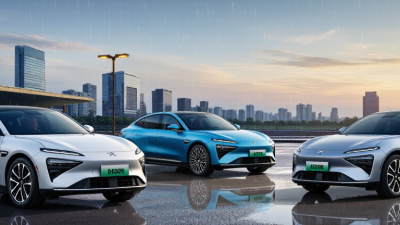
Electric car discounts are expanding because manufacturers are competing for fewer ready buyers. New factories have increased global production faster than demand. This creates crowded lots, delayed deliveries, and pressure to reduce prices. A vehicle sitting unsold for months may receive a substantial dealer incentive. Discounts can also reflect falling battery costs and simpler electric drivetrains. However, the sticker price does not tell the whole story.
Competition is forcing improvements beyond cheaper payments. Manufacturers are adding longer warranties, faster charging systems, and better software to attract cautious customers. Some retailers cut prices to clear older model years before updated versions arrive. That can benefit shoppers, but it creates uncertainty about resale values. Advertised offers may exclude registration fees, charger installation, or financing conditions. Read every line. Oversupply helps buyers, yet it may weaken smaller sellers and local service networks. The market is still settling, imperfectly.
Tips: Compare the final on-road price, not the headline discount. Check battery warranty terms and nearby repair support. Ask when the vehicle was built and stored. A large discount is not automatically a warning sign. Still, test your home charging access before signing. Public charging may be convenient, but availability changes by location and season.
What Determines Whether Low-Priced Deals Are Truly Affordable
Why Are Electric Car Deals So Cheap Worldwide?
Electric car deals can look startlingly cheap, but the headline price is only one affordability measure. The deeper question is whether monthly ownership costs fit a household budget. Battery prices help explain the discounts. BloombergNEF reported that average lithium-ion battery pack prices fell to 115 dollars per kilowatt-hour in 2024, down from 139 dollars in 2023. The International Energy Agency also recorded strong battery cost reductions in its Global EV Outlook 2024. However, factory savings do not automatically reach every buyer.
Affordability begins after purchase.
A buyer should calculate financing interest, insurance, registration taxes, home charging equipment, and public charging fees. Electricity prices vary sharply between regions, so advertised running-cost savings may disappoint some drivers. The U.S. Department of Energy’s Alternative Fuels Data Center shows that charging economics depend on local electricity rates, vehicle efficiency, and charging patterns. A driver using public fast chargers every week may pay far more than someone charging overnight at home. That detail is easy to miss.
Resale value also matters. A low-priced vehicle can become expensive if depreciation is unusually fast. Battery warranty terms, repair access, cold-weather range, and replacement-part prices deserve careful checking. My first affordability calculation would be incomplete without these factors. A discount is genuinely useful only when the total cost remains manageable for several years, not merely on the day of purchase.