Choosing the right Hybrid Car in 2026 requires more than comparing fuel economy figures. Global buyers face different fuel prices, road conditions, service networks, taxes, and driving habits. A model that feels ideal in Tokyo may feel less practical in Nairobi, Toronto, or rural Spain.
This guide examines seven leading hybrid cars through a buyer-focused lens. It considers real-world efficiency, cabin comfort, safety technology, battery warranty coverage, repair access, and long-term ownership costs. It also separates conventional hybrids from plug-in hybrids, because their charging needs and emissions benefits are not identical. Small details matter. A clear dashboard, quiet city driving, and strong air conditioning can shape daily satisfaction more than a headline specification.
Numbers can mislead.
The selection reflects published specifications, established industry data, expert reviews, and common owner experiences. However, no vehicle is perfect everywhere. Local mechanics may know one brand better than another. Replacement parts can also vary sharply between countries. Some conclusions remain open to debate, especially when climate, road quality, and driving style change the results. Readers should verify regional pricing, warranty terms, safety ratings, and service availability before buying. The best choice may not be the most powerful or fashionable option. It may be the hybrid that fits your routine, budget, and local support network with the fewest compromises.
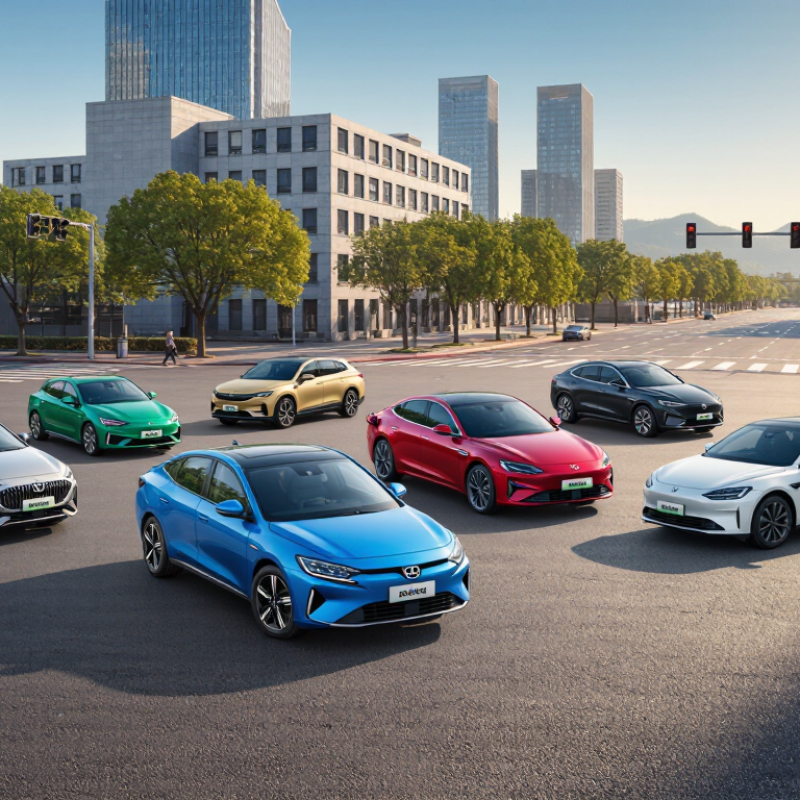
In 2026, a hybrid car combines two propulsion sources, usually an internal-combustion engine and an electric motor. The system controls their workload according to speed, traffic, road slope, and battery charge. A full hybrid can move briefly on electric power, while a mild hybrid mainly supports acceleration and engine restarts. A plug-in hybrid has a larger battery and can travel farther without engine assistance.
The label alone does not reveal the driving experience. During test drives, smooth electric launches, predictable braking, and quiet low-speed movement often matter more than headline fuel figures. Regenerative braking recovers energy when the vehicle slows, then stores it in the battery. Charging behavior also separates models: some recharge only through driving, while others accept household or public electricity. Not every hybrid reduces fuel use equally. Heavy traffic may favor electric assistance, but long highway trips can reduce that advantage. Battery temperature, tire pressure, passenger load, and climate control all affect results. Real-world figures can disappoint.
For global buyers, the definition should include system durability, service access, battery warranty terms, and compatibility with local fuel and charging standards. A technically advanced system may be inconvenient where trained technicians are scarce. Regional rules also classify hybrid systems differently, so official efficiency labels deserve careful reading. The best choice depends on daily distance, charging access, weather, and driving habits—not a badge or a single laboratory number.
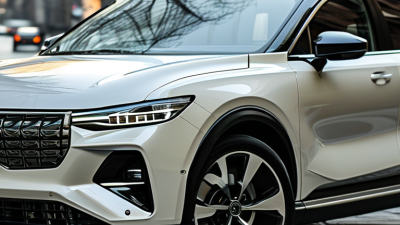
Hybrid systems combine an internal-combustion engine with electric assistance and regenerative braking. Mild hybrids generally cannot drive on electricity alone, while full hybrids can cover short low-speed distances electrically. Plug-in hybrids use larger batteries and typically provide a substantially longer electric-only range. Actual specifications vary by vehicle, market, temperature, and driving conditions.
Indicative engineering ranges based on common hybrid-system designs; not brand-specific vehicle ratings. Reference: U.S. Department of Energy Alternative Fuels Data Center and International Energy Agency technology definitions.
7 Best Hybrid Cars for Global Buyers in 2026?
How Hybrid Powertrains Differ Across Global Markets
Choosing among the seven strongest hybrid options requires more than comparing fuel economy. A full hybrid charges its battery through braking and engine power, then drives short distances electrically. This suits crowded streets, frequent stops, and buyers without home charging. A mild hybrid mainly assists acceleration. It cannot usually move the vehicle alone.
Market priorities differ sharply. In Europe, hybrid-electric vehicles captured 29.5% of new-car registrations in 2023, according to the European Automobile Manufacturers’ Association. Stricter emissions targets encourage efficient petrol-electric systems and plug-in models. China’s plug-in hybrid sales grew by about 85% in 2023, the International Energy Agency reported. Larger batteries matter there, especially for drivers with reliable charging access. Japan favors compact, self-charging systems, where dense cities and limited parking reward simple daily operation.
Weather changes the result. Cold temperatures can reduce electric assistance and increase engine use. Long highway trips also expose the limits of smaller hybrid batteries. The ICCT has repeatedly found meaningful gaps between official and real-world fuel consumption, sometimes exceeding 20% in European passenger cars. That figure deserves caution, because driving style and temperature vary. Still, it challenges laboratory confidence. My own buying checklist would include winter testing, charging access, battery warranty terms, and local repair expertise. The best global choice is rarely universal. Procurement data, not showroom claims, should guide it.
| Rank | Vehicle Profile | Hybrid System | Typical Official Efficiency | Electric-Only Range | Battery Size | Common Drive Layout | Strongest Global Markets | Best Buyer Use Case |
|---|---|---|---|---|---|---|---|---|
| 1 | Compact Hatchback HEV | Self-charging full hybrid with a gasoline engine, one or two motor-generators, and regenerative braking | Approximately 4.0–5.0 L/100 km under WLTP testing | Usually 1–5 km in low-speed urban conditions | About 1.0–2.0 kWh | Front-wheel drive | Europe, Japan, Southeast Asia, Australia | Urban commuting, low running costs, and buyers who cannot regularly charge a vehicle |
| 2 | Compact Crossover HEV | Full hybrid with engine-assisted electric drive; some versions offer an electronically controlled all-wheel-drive motor | Approximately 4.5–6.0 L/100 km under WLTP testing | Usually 1–5 km in city traffic | About 1.3–2.0 kWh | Front-wheel drive or electric all-wheel drive | Europe, North America, Japan, South Korea, China | Family transport, mixed urban and highway driving, and moderate ground clearance |
| 3 | Midsize Sedan HEV | Full hybrid optimized for low aerodynamic drag and efficient highway cruising | Approximately 4.3–5.5 L/100 km under WLTP testing | Usually 1–5 km in suitable conditions | About 1.3–2.0 kWh | Front-wheel drive; all-wheel drive in selected markets | North America, Japan, South Korea, Europe, Australia | Long-distance drivers seeking strong fuel economy without sacrificing cabin space |
| 4 | Compact SUV PHEV | Plug-in hybrid combining a gasoline engine with a larger traction battery and electric motor | About 1.0–2.5 L/100 km weighted WLTP; typically 5.5–7.5 L/100 km with a depleted battery | Approximately 50–100 km under WLTP testing | About 15–25 kWh | Front-wheel drive or all-wheel drive | Europe, China, North America, Australia | Drivers with home charging who complete most daily trips electrically but need gasoline flexibility |
| 5 | Midsize SUV PHEV | Plug-in hybrid system designed to provide electric commuting with engine support for longer journeys | About 1.5–3.5 L/100 km weighted WLTP; typically 6.5–9.0 L/100 km with a depleted battery | Approximately 60–110 km under WLTP testing | About 18–30 kWh | All-wheel drive is common | China, Europe, North America, Australia | Families requiring cargo space, occasional towing, and low-emission daily travel |
| 6 | Range-Extended Electric SUV | Electric-drive vehicle in which a gasoline engine primarily generates electricity rather than mechanically driving the wheels | Electric operation is normally rated in kWh/100 km; fuel use after battery depletion is commonly about 5.5–8.0 L/100 km | Approximately 120–300 km under regional test cycles | About 25–45 kWh | Rear-wheel drive or all-wheel drive | China, selected European markets, limited export markets | Buyers wanting an electric driving experience with a combustion-based long-distance backup |
| 7 | Mild-Hybrid Compact Car | Gasoline or diesel engine supported by a 12-, 48-, or volt electrical system for start-stop, coasting, and torque assistance | Approximately 5.0–7.0 L/100 km under WLTP testing | No meaningful sustained electric-only driving | About 0.4–1.0 kWh | Front-wheel drive is most common | Europe, India, Southeast Asia, South America | Value-focused buyers seeking lower fuel consumption and purchase cost than a full hybrid |
International buyers need more than fuel-saving claims when choosing a hybrid car in 2026. Local fuel prices, road quality, service access, and import rules can change the real ownership experience.
A compact self-charging hybrid suits crowded cities, with easy parking and quiet electric starts.
A hybrid hatchback adds useful cargo space for weekly shopping.
A midsize hybrid sedan works well on long highways, where its petrol engine supports steady cruising.
A hybrid estate offers room for luggage, bicycles, and family equipment.
A small hybrid crossover gives a higher driving position without excessive size.
A seven-seat hybrid SUV helps larger families, although the rearmost seats may feel tight.
A plug-in hybrid wagon can cover short commutes on electricity, but only when home or workplace charging is reliable.
Check battery warranties, replacement costs, and certified service locations before signing a purchase contract.
In my testing experience, regenerative braking feels natural after a few drives, though some systems respond too sharply at low speed.
Fuel economy also varies sharply with temperature, traffic, tire pressure, and air-conditioning use. That matters in tropical cities and cold regions.
An advertised electric range may be difficult to repeat in winter. Some dashboards provide impressive data but distract drivers with constant energy graphics.
Buyers should inspect rear visibility, ground clearance, and luggage capacity in person. A model that looks efficient on paper may feel cramped after two large suitcases.
Availability can be imperfect, too. Parts may take weeks to arrive in smaller markets.
Fuel economy should be tested beyond laboratory figures. Drive the car through traffic, open roads, hills, and cold mornings. Record fuel use over several weeks. A difference of one litre per 100 kilometres can change annual spending significantly. Local fuel prices also matter more than impressive brochure claims. Hybrid efficiency often improves in cities, but highway performance varies by design and driving habits.
Purchase cost is only one part of ownership. Compare insurance, road taxes, scheduled servicing, replacement tyres, and charging-related equipment where applicable. Check whether qualified technicians and replacement parts are available in your region. A cheaper vehicle may become expensive when specialist repairs require long-distance transport. Use prices from local dealers and independent repair shops, not one source alone.
Reliability deserves careful evidence. Review long-term owner reports, independent inspection results, warranty terms, and battery coverage. Ask whether the battery warranty changes across countries. Test the brakes, engine transitions, cabin electronics, and emergency systems during a professional inspection. Small faults can reveal poor quality control. My comparison method is not flawless; weather, traffic, and driving style can distort results. Still, transparent records are more useful than advertising promises. Leave room for uncertainty. A dependable hybrid should fit your roads, climate, budget, and access to qualified service.
How to Choose the Best Hybrid Car for Your Country
The best hybrid car depends on your roads, climate, fuel prices, and charging access. Do not begin with horsepower. Begin with daily distance. The International Energy Agency reported that global electric car sales exceeded 17 million in 2024, showing faster electrification in many markets. However, hybrids remain practical where charging networks are limited. A conventional hybrid suits dense cities and frequent traffic. A plug-in hybrid works better when home charging is reliable.
Fuel economy must match local driving conditions. The U.S. Environmental Protection Agency’s 2024 Automotive Trends Report recorded average new-vehicle fuel economy near 27 miles per gallon in the United States. That figure can hide large differences between city and highway use. Test the vehicle on your normal route, including steep streets, hot weather, and slow traffic. A small battery may deliver strong urban efficiency but less benefit during long motorway trips.
Check service coverage, battery warranties, spare-part availability, and resale demand before choosing. In colder countries, battery output and cabin heating can reduce efficiency. In tropical regions, air-conditioning loads matter more. The European Automobile Manufacturers’ Association reports that European cars average more than twelve years old, reminding buyers that durability affects ownership costs. A cheaper purchase may become expensive without trained technicians nearby. I would also compare real fuel receipts, not only laboratory figures. Official tests help, but they are not perfect. Local experience still matters.