How to Choose the Best Hybrid Car for Your Needs?
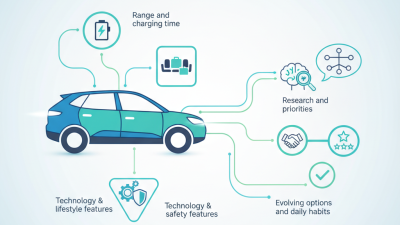
Choosing the right hybrid car can feel overwhelming. With so many options available, it's crucial to identify what best fits your specific needs. A hybrid car combines traditional gasoline engines with electric propulsion, promising improved fuel efficiency and reduced emissions. However, not all hybrids are created equal.
Consider how you will use your car. Are you commuting daily, or taking longer trips? Determine your budget, as hybrid cars can vary significantly in price. Research various models and their features. Some hybrids offer advanced safety systems, while others prioritize performance or cargo space.
Remember, hybrid technology is evolving. New models may feature better batteries and electric ranges. This makes it vital to stay updated on the latest developments. As you weigh your options, reflect on your priorities. What matters most to you in a hybrid car?
Understanding Your Driving Needs and Habits
Understanding your driving needs and habits is essential when choosing the right hybrid car. Consider how often you drive and the typical distances you cover. Are your trips mostly in the city or on the highway? City driving usually benefits from a hybrid’s electric mode, enhancing fuel efficiency. Meanwhile, if your routes involve long stretches of highway, ensure the hybrid model has solid performance for extended drives.
Evaluate your lifestyle as well. Do you often carry passengers or transport bulky items? Select a hybrid with sufficient space and comfort. Take time to test drive different models to see how they feel in real-world scenarios. Don't rush the process; it's crucial to align the car’s features with your daily routine. Speaking to current hybrid owners can provide honest insights. This way, you avoid the pitfalls that sometimes come with new technology.
Lastly, reflect on your eco-friendly values. A hybrid can reduce your carbon footprint, but the choice should also align with your budget and preferences. Keeping these factors in mind will lead you to a more satisfying choice. After all, the best hybrid car is not just about efficiency or style, but how well it serves your unique driving needs.
Evaluating Hybrid Car Types and Their Features
When choosing a hybrid car, understanding the different types is essential. Hybrid vehicles generally fall into two categories: full hybrids and plug-in hybrids. Full hybrids can operate on an electric motor alone or in combination with a gasoline engine. In contrast, plug-in hybrids have larger batteries, allowing for extended electric-only driving ranges. According to a report from the U.S. Department of Energy, plug-in hybrids can offer up to 25 miles of electric range before the gasoline engine kicks in, which may suit urban drivers.
Evaluating features is also crucial. Look for options like regenerative braking, which captures energy during braking to recharge the battery. Many hybrids now come equipped with advanced safety features, improving driver confidence. The industry's research indicates that safety enhancements like lane-keeping assist and adaptive cruise control can be found in most newer models, increasing their appeal.
Tip: Test drive multiple models. Feel the difference in performance. It's beneficial to assess your driving habits. If you're mostly city driving, a full hybrid might be more economical. However, for longer commutes, consider a plug-in hybrid. Review your local charging availability; it can make a significant difference in your overall experience. Be mindful of your long-term needs.
Comparing Fuel Efficiency and Emissions Ratings
When choosing a hybrid car, assessing fuel efficiency and emissions ratings is crucial. Industry reports reveal that hybrids typically offer better fuel economy than traditional gasoline vehicles. For instance, the average hybrid model can achieve around 50 miles per gallon (MPG), compared to 25 MPG for conventional cars. This improvement not only reduces fuel expenses but also lessens the environmental impact.
Emissions ratings play a significant role in environmental considerations. Many hybrids emit 30-50% less CO2 than their gas counterparts. The U.S. Environmental Protection Agency states that reducing greenhouse gas emissions is vital for combating climate change. However, not all hybrids are created equal. Some may provide excellent fuel efficiency but still have higher emissions during certain driving conditions. This inconsistency prompts a need for careful evaluation.
Prospective buyers should also consider driving habits. City driving may yield better fuel efficiency in hybrids due to regenerative braking, while highway driving might diminish these benefits. Therefore, it's essential to analyze personal driving patterns and select a vehicle that aligns with them. Reflecting on these factors can guide you in making a more informed decision.
Assessing Budget and Financing Options for Hybrid Cars
When it comes to hybrid cars, budgeting is crucial. Determine how much you can afford. Consider initial costs and additional expenses like insurance and maintenance. Some hybrids may seem cheaper, but hidden costs can add up. Having a realistic budget helps narrow your options.
Financing plays a significant role too. Many dealerships offer financing plans. However, not all deals are beneficial. Interest rates vary widely. It's essential to read the fine print. Loan terms can impact your monthly payments and overall cost. Always compare offers. Research different lenders to find favorable terms that suit your financial situation.
Think about long-term savings as well. Hybrid cars often provide better fuel efficiency. This can translate into substantial savings over time. However, assess your driving habits. If you drive infrequently, the savings may not justify the cost. Reflect on your personal needs and the potential long-term benefits hybrid cars offer.
Researching Reliability and Owner Satisfaction Reviews
When choosing a hybrid car, understanding reliability and owner satisfaction is crucial. Start by exploring various sources of reviews. Access forums, blogs, and dedicated automotive websites. Look for comments from actual owners. Their experiences provide insight into long-term performance.
Pay attention to common themes in reviews. Reliability is often a top concern. Many owners appreciate hybrid models for their fuel efficiency but may mention issues over time. These concerns can signal potential problems. Look for patterns in feedback. If multiple people report similar issues, it’s worth considering.
Owner satisfaction scores are also telling. They often reflect overall happiness with the car. Some hybrids may shine in fuel economy but falter in comfort or technology features. Test drives can help assess these aspects first-hand. Engage with local car clubs or online communities. They can offer real-world insights you won't find in professional reviews. Collecting varied opinions will lead you to more informed decisions.