Why Are Plug In Hybrid Cars a Smart Choice for Buyers?
Plug In Hybrid Cars can suit buyers who want electric driving without relying entirely on public charging. Their batteries handle shorter trips, while a gasoline engine can support longer journeys. That flexibility can matter on a cold morning, during a long commute, or when a charger is occupied. But the benefits depend on how the car is used.
The International Energy Agency’s Global EV Outlook 2024 reports that electric car sales reached nearly 14 million worldwide in 2023, about 18% of new car sales. That category includes both battery-electric and plug-in hybrid models, showing how quickly electrified choices are entering the market. For buyers, a plug-in hybrid may offer a practical bridge: charge at home, drive locally on electricity, and keep the engine available for longer routes.
There is a catch. The International Council on Clean Transportation’s 2022 analysis of European vehicles found that real-world plug-in hybrid fuel consumption often exceeded official test figures, especially when drivers charged infrequently. A driveway outlet and regular charging can therefore change the ownership experience substantially. Buyers should compare electric-only range, fuel economy with a depleted battery, charging access, and total purchase cost—not just the advertised range. A plug-in hybrid is not automatically the best choice. It can be a smart one when daily journeys fit its electric range and charging becomes part of the routine.
What Defines a Plug-In Hybrid and How Does It Work?
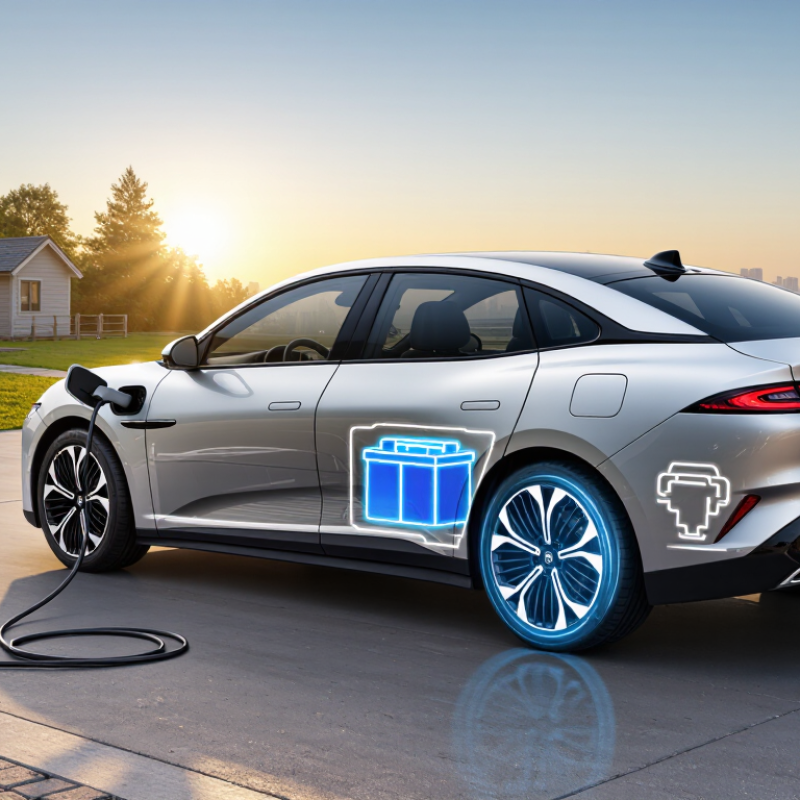
A plug-in hybrid combines a rechargeable battery, an electric motor, and a gasoline engine. Unlike a conventional hybrid, it can take power from an external outlet. A charging cable connects the car to a home charger or public charging point. The battery stores that electricity for driving.
On a short trip, the car may run mainly on electric power. The exact distance depends on battery size, temperature, speed, and driving habits. Quiet at low speeds. When the battery’s charge runs low, the engine can provide power, and some systems blend engine and motor output. Regenerative braking also captures some energy as the car slows. It does not replace plugging in; it only recovers a portion of energy otherwise lost as heat.
That flexibility has a catch. If an owner rarely charges, the car may use its engine more often and deliver less of the electric-driving benefit. Charging access and typical trip length matter. In practice, the transition between electric and engine power can feel different from one vehicle to another, so a test drive is useful. The technology is clever, but it is not effortless: drivers need to build charging into their routine.
How Do Plug-In Hybrids Balance Electric and Gasoline Driving?
A plug-in hybrid balances electric and gasoline driving by using a rechargeable battery for shorter trips and a gasoline engine when more range or power is needed. With a full battery, many daily errands can be completed mostly on electric power. Quiet starts. The exact electric distance depends on the vehicle, temperature, speed, and driving habits.
When the battery charge runs low, the engine can take over, so drivers do not need to stop for charging on longer journeys. In some driving conditions, both power sources work together, while regenerative braking can return a little energy to the battery. The handoff may be subtle, though not always. One easy assumption is that a plug-in hybrid will save fuel automatically; without regular charging, its heavier build may reduce that benefit. Cold weather and fast highway driving can also shorten electric range.
Tips: Charge at home when practical, and check the electric range against your usual commute. Keep fuel available for longer trips, and review the vehicle’s energy display to learn when the engine engages. These small habits make the balance easier to understand.
Which Cost and Efficiency Benefits Can Buyers Expect?
Plug-in hybrid cars can reduce fuel spending when daily trips fit within their electric range. Charging at home overnight may let a driver cover a short commute using electricity, then rely on the gasoline engine for longer journeys. The savings depend on local electricity and fuel prices, charging habits, and the vehicle’s real-world efficiency. They are not automatic. A cold morning, highway speeds, or a missed charge can increase fuel use.
Buyers should compare the purchase price with likely running costs, not just the advertised electric range. Check whether a home outlet or suitable charger is practical, and estimate how often you can plug in. Electricity may cost less per mile than gasoline in some areas, but public charging can narrow that gap. Maintenance also involves two power systems, so service costs vary by model and use. A careful calculation helps; mine would probably be wrong if I ignored weekend trips.
Tips: Track a typical week of driving before you buy. Note commute distance, longer trips, and available charging times. Ask for the usable electric range and fuel economy when the battery is depleted. Leave room in your budget for charging equipment and changing energy prices.
How Does a Plug-In Hybrid Fit Different Driving Needs?
Your routine matters more than a vehicle’s advertised electric range. If your commute is short and you can charge overnight, many weekday trips may use little or no gasoline. School drop-offs, errands, and slow urban traffic can feel quieter on electric power. A reliable charging spot at home makes that routine easier. Convenience counts. Without regular charging, the car carries extra battery weight while relying more often on its engine.
Longer drives can suit a plug-in hybrid, too, because its gasoline engine can support trips beyond the battery’s electric range. Still, fuel use varies with speed, terrain, weather, and how often you charge. Cold mornings, steep roads, cabin heating, and highway speeds can shorten electric range. Those details are easy to underestimate. Public charging may help, but a detour or wait can make it less convenient than expected. Before buying, track a typical week: note your daily distance, overnight parking, and longer weekend trips. Then compare that pattern with the vehicle’s usable electric range, charging time, and cargo space. A little planning can reveal a mismatch.
What Should Buyers Consider Before Choosing One?
Before choosing a plug-in hybrid, match its electric range to your real daily driving. The U.S. Department of Energy’s Alternative Fuels Data Center reports that many plug-in hybrids can travel about 15 to 60 miles on electricity alone. A short commute may fit within that range; frequent long trips will use more gasoline. Check the specific vehicle’s EPA fuel-economy label, too, since efficiency varies by model and driving conditions.
Charging access changes the ownership calculation. A home outlet or workplace charger can make regular electric driving practical, while relying only on public chargers may add time and inconvenience. Cold weather, high speeds, and cabin heating can reduce electric range. Not a small detail. Estimate your electricity and fuel costs using local rates, and compare them with your current driving expenses. A plug-in hybrid can cost more upfront, so projected savings may not cover the difference for every buyer.
Tips: Track a typical week of driving before shopping. Ask whether charging is available where the car sits overnight, and test the vehicle on your usual route. If charging would rarely happen, reconsider: the extra battery may bring little day-to-day benefit. That is easy to overlook.