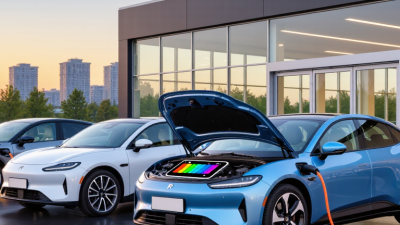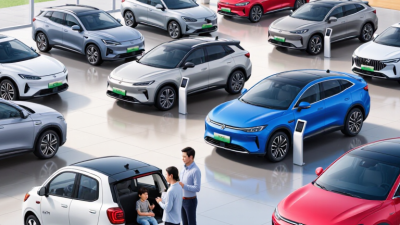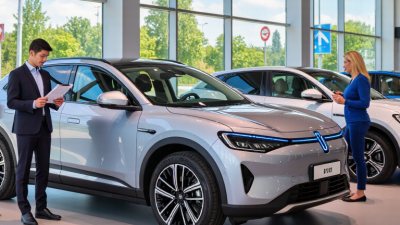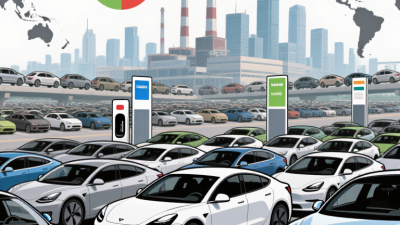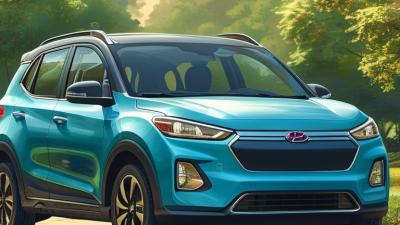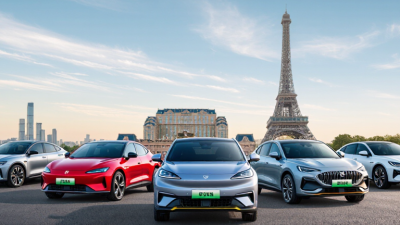
China’s electric vehicle market offers a wide range of models, from compact city cars to long-range family SUVs. For global buyers, attractive prices are only part of the picture. Electric Car Deals can vary with battery size, trim, delivery terms, and the support available in your country. A low advertised price may not include shipping, taxes, registration, or local equipment changes. Check the full cost.
Before comparing offers, confirm that the vehicle can be registered where you live and that its charging connector suits local infrastructure. Ask the seller for written warranty terms, battery coverage, service arrangements, and clear delivery estimates. Independent inspection records and vehicle specifications can help you compare claims with documented details. Availability may differ by country, and model names or features can change between markets. That deserves attention. A deal is less appealing if routine repairs require scarce parts or long-distance support. Buyers should also verify payment protections and clarify who handles transport and import paperwork. These points are practical, not glamorous, but they shape ownership.
This guide looks at how to assess Chinese electric car offers for international purchase without treating the lowest quote as the best value. It considers pricing, range, charging, warranties, and after-sales service. Some information may be difficult to confirm before delivery, so careful questions matter. Global buying can be rewarding, but it is not effortless. The right choice depends on your budget, local requirements, and willingness to manage uncertainty.
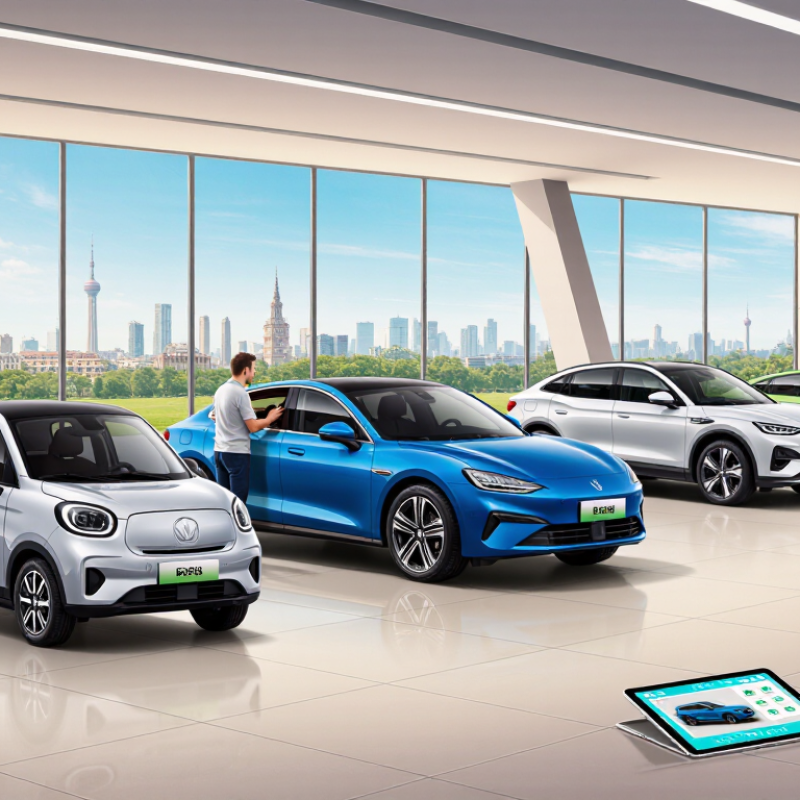
The International Energy Agency (IEA) reports that nearly 11 million electric cars were sold in China in 2024. That figure reflects a huge market, with wide model choice and strong competition. For global buyers, it is a useful signal, not a guarantee of a bargain. Sales volume alone does not show which cars are available for export or how reliable local support will be. The number is striking. But it needs context.
A low advertised price can rise after shipping, insurance, import duties, inspections, and registration. Compare the full delivered cost, not just the showroom figure. Check battery warranty coverage, replacement-part access, charging compatibility, and real-world range. A car suited to mild city commutes may feel less practical on cold mornings or long highway trips. Independent test data helps, though it may not match your driving conditions exactly.
Tips: Ask for a written cost breakdown and clear warranty terms. Confirm charging compatibility and service options before paying a deposit. Check applicable import and safety requirements with relevant authorities. Keep some room for uncertainty; overseas support can be harder to assess than a price list suggests.
A Chinese electric car quote can look far lower than a local listing, but the figures may not describe the same deal. Check whether the quoted price includes delivery, insurance, local taxes, and any destination handling charges. Ask for the currency, quote expiry date, and payment schedule in writing. The sticker is only a start.
Compare like with like. Match battery size, driving range test method, charging equipment, and included features against vehicles sold locally. A lower-range version may appear cheaper for a reason. Then add freight, currency conversion, inspection costs, and any local fees that apply to your purchase. Details matter. Use current exchange rates, but leave room for rate changes before payment.
Support can change the real value of a deal. Check where warranty repairs would happen, how replacement parts are supplied, and whether roadside assistance covers your area. Ask for written details rather than relying on a sales chat. I would not treat an attractive estimate as settled until those points are clear. Even careful comparisons have limits: delivery timing and exchange rates can shift, and some charges may be hard to estimate early. Keep a simple table with the Chinese quote, local benchmark, and every added cost; mark uncertain items instead of quietly assuming they are zero.
China’s EV scale is more than a headline; it shapes the choices available to global buyers. The IEA’s Global EV Outlook 2024 reports that China produced over 70% of the world’s electric cars in 2023. That concentration supports a wide mix of vehicle sizes, battery chemistries, and price points. But production share alone does not prove every imported car is a bargain. Shipping, local specifications, servicing, and warranty support can change the real cost.
Battery chemistry deserves close attention. The IEA reports that lithium iron phosphate (LFP) batteries reached nearly 40% of the global electric-car battery market in 2023. BloombergNEF’s 2023 Battery Price Survey put average pack prices at $139 per kilowatt-hour, with LFP averaging $130 and nickel-manganese-cobalt packs $152. These are industry averages, not retail car prices. Numbers can mislead. Battery chemistry may affect cold-weather performance, charging behavior, and usable range, so check independent, model-specific tests.
Tips: Compare the exact battery version, not just the model name. Ask for usable capacity, charging times, warranty terms, and local service details. A low sticker price may leave questions unanswered.
China’s electric-vehicle export figures show growing choice, but they do not guarantee a good deal for every buyer. The China Association of Automobile Manufacturers (CAAM) reported 1.284 million exported new-energy vehicles in 2024, up 6.7% from 2023. The figure includes plug-in hybrids as well as battery-electric vehicles, so it is not a count of fully electric cars alone. The International Energy Agency’s Global EV Outlook 2025 also describes China as the leading producer of electric cars, giving buyers a sense of the industry’s scale.
For an importer, the advertised price is only one part of the cost. Shipping, insurance, customs charges, and local taxes can change the final figure substantially. Check that the vehicle’s charging connector, software, and warranty support suit your destination. Ask for the vehicle identification details and written export documents before paying. Small details matter. Export volume is not proof that every model can be registered or serviced locally. I would verify requirements with the destination’s official transport authority and a qualified customs broker.
Tips: Compare the landed cost, not just the listing price. Get confirmation of local charging compatibility and service access in writing. If a seller’s terms are vague, pause and check again.
An advertised price can look compelling, but it is only the starting point. For a global buyer, the landed cost may include inland transport, ocean freight, insurance, port handling, and final delivery. Request a written shipping quote using the vehicle’s dimensions, destination port, and unloading terms. Small fees add up.
Duties and taxes depend on the destination, vehicle classification, declared value, and local rules. Confirm current rates with customs or a qualified import professional before paying a deposit.
Certification may require specific documents, inspections, or equipment changes. Requirements differ by market, so ask the relevant authority what evidence it accepts and include testing and registration costs.
Charging matters too: check connector compatibility, home installation costs, electricity rates, and access to public chargers. A car needing an adapter or electrical work may cost more than the listing suggests. Leave a contingency in your budget; choosing the right amount is not always obvious.
Tips:
Compare written quotes, not estimates from listings. Keep copies of fees and requirements. Recheck exchange rates before payment. A spreadsheet helps, but it can still miss a local charge.