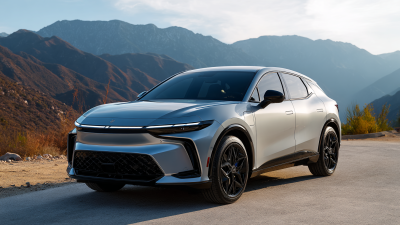
Self Charging Hybrid Cars represent a significant advancement in the automotive industry. These vehicles combine the benefits of electric and traditional gasoline engines. As a result, they offer improved fuel efficiency and reduced emissions. Many drivers are curious about the advantages of this technology and how it affects their daily lives.
One major benefit of Self Charging Hybrid Cars is their ability to charge while driving. This feature helps eliminate range anxiety often associated with fully electric vehicles. Additionally, these cars can seamlessly switch between gas and electric power, providing optimal performance in various conditions. This flexibility makes them an appealing choice for diverse driving needs.
Moreover, Self Charging Hybrid Cars contribute to a cleaner environment. Their lower emissions help combat air pollution and support sustainability efforts. However, it is essential to reflect on the long-term impact of their production and disposal. Overall, these vehicles offer numerous benefits worth considering for eco-conscious consumers.
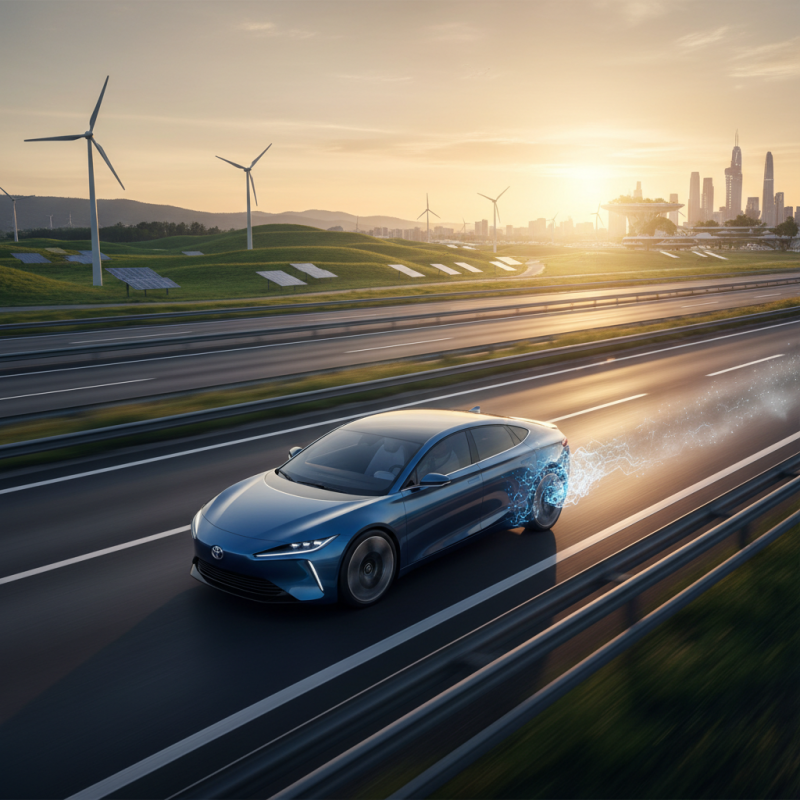
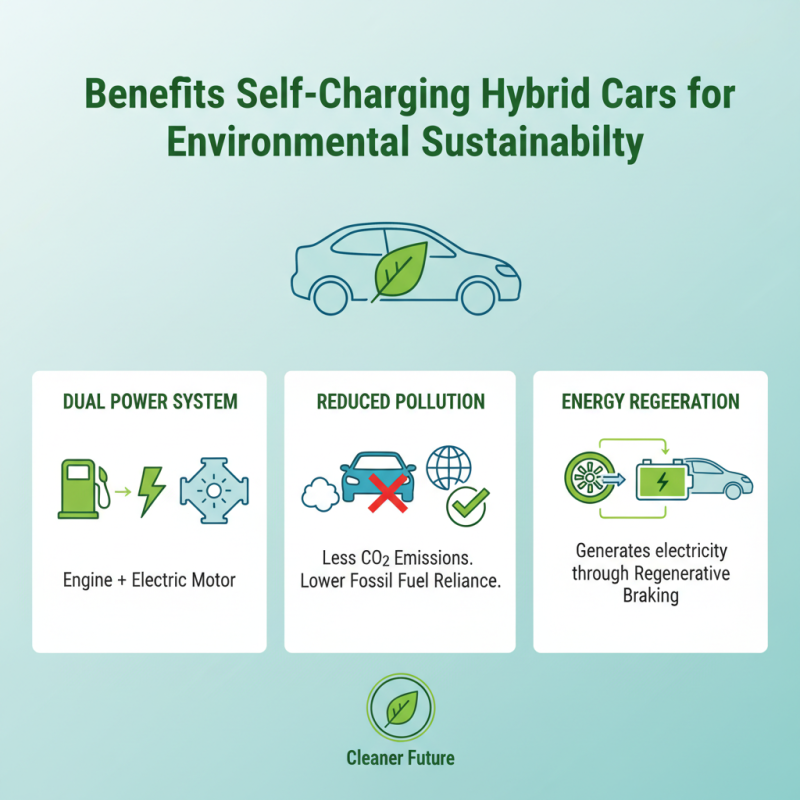
Self-charging hybrid cars offer significant benefits for environmental sustainability. They combine a conventional engine with an electric motor. This dual system reduces reliance on fossil fuels. When driven, they generate electricity through regenerative braking. This means less CO2 emission overall.
Using self-charging hybrids can lead to lower fuel consumption. Less fuel burnt means fewer harmful gases in our air. This is crucial in combating climate change. Moreover, self-charging technology reduces the need for frequent plug-in charging. This can be a hassle for some users.
Tips: Consider your driving habits. If you often drive short distances, a self-charging hybrid may be ideal. Focus on maintaining a steady speed to maximize efficiency. Look for local incentives for green vehicles, as they might help you make the switch. Always research the environmental impact of your vehicle choice. Explore the balance between convenience and sustainability.
Self-charging hybrid cars offer significant cost savings compared to traditional fuel vehicles. One major area of savings is fuel efficiency. These hybrids utilize both electric and gasoline power. This dual approach greatly reduces fuel consumption. Owners often enjoy lower gas bills. The more efficient energy use can amount to substantial yearly savings.
Maintenance costs can be lower as well. Hybrid cars generally have fewer moving parts in their engines. This simplicity often leads to fewer breakdowns. With less wear and tear, the overall maintenance expenses might be reduced. However, it's worth noting that the battery replacement can be costly. This potential expense is something to consider.
Insurance rates can also play a role in cost savings. Some insurers offer lower premiums for hybrid vehicles. This discount reflects the vehicles' environmentally friendly status. However, this benefit may vary between providers. Overall, while there are savings, some aspects require careful consideration. It’s important to weigh the benefits against potential costs.
Self-charging hybrid cars offer distinct advantages in fuel efficiency and performance. A report from the International Energy Agency noted that hybrid vehicles can save up to 30% more fuel compared to conventional cars. This remarkable efficiency is achieved through regenerative braking and the integration of electric motors with traditional engines.
These vehicles capture energy during braking, using it to recharge their battery. Riding on both the electric motor and internal combustion engine provides seamless acceleration and enhances overall performance. According to a study by the U.S. Department of Energy, hybrids also produce fewer emissions, contributing to better air quality.
While the benefits are evident, not all self-charging hybrids perform equally. Factors such as driving habits and environmental conditions affect fuel efficiency. Some users may experience less than expected performance in city driving compared to highway travel. Understanding these nuances helps consumers make informed choices about hybrid options available to them.
| Feature | Description | Benefit |
|---|---|---|
| Fuel Efficiency | Utilizes both gasoline and electric power | Reduces overall fuel consumption, leading to cost savings |
| Lower Emissions | Hybrid technology minimizes harmful exhaust emissions | Environmental benefits and compliance with regulations |
| Regenerative Braking | Recovers energy during braking | Improves battery charge and overall efficiency |
| Performance | Instant torque from electric motors | Enhanced acceleration and responsiveness |
| Reduced Dependence on Fuel | Combines electric and gasoline driving | Decreased reliance on fossil fuels |
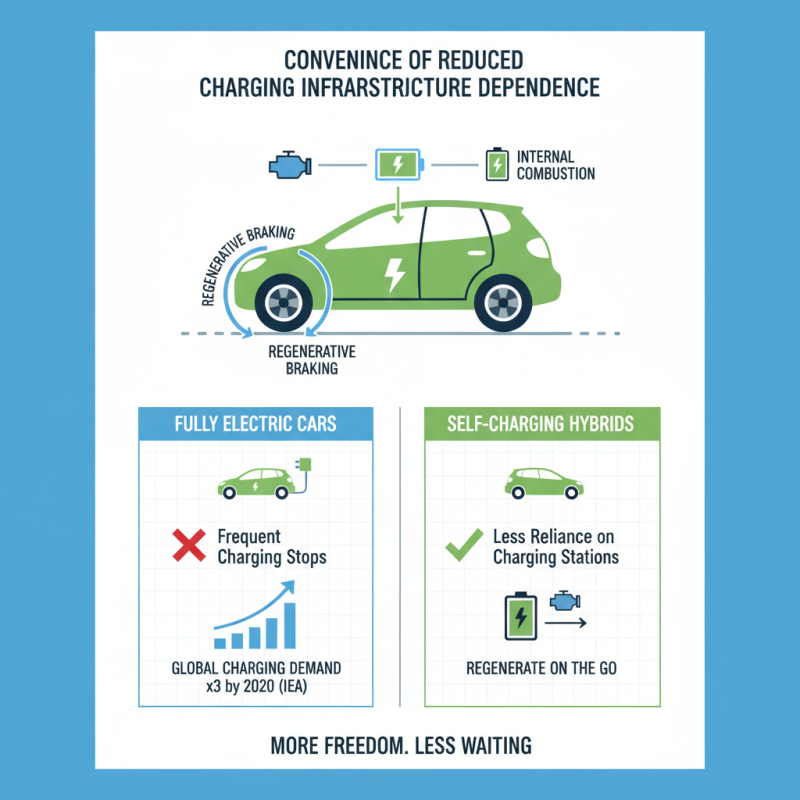
Self-charging hybrid cars offer a unique advantage in today's electric vehicle landscape. One key benefit is their reduced dependence on charging infrastructure. According to the International Energy Agency, the global demand for electric vehicle charging stations is expected to triple by 2030. This situation highlights a significant challenge for fully electric cars, which often require frequent access to charging stations. Self-charging hybrids, however, use regenerative braking and internal combustion engines to recharge their batteries, alleviating the burden on limited charging networks.
Data from the American Automobile Association suggests that over 70% of potential electric vehicle buyers worry about charging availability. In contrast, self-charging hybrids can seamlessly operate without frequent stops at charging stations. This convenience appeals to a broader audience, especially for those in regions where charging infrastructure is sparse or still developing. Many users appreciate the peace of mind that comes with a car that charges itself while driving, enabling long journeys without charging anxiety.
Reflecting on this, there are still imperfections in the technology and consumer perceptions. Some drivers may feel hesitant about maintenance or the efficiency of hybrid systems. Reports indicate that 40% of hybrid vehicle owners express concerns about battery life and overall performance. As technology evolves, addressing these concerns will be crucial to expanding self-charging hybrid adoption and improving user experience.
Self-charging hybrid cars stand out for their unique versatility. They combine traditional internal combustion engines with electric power. This integration enhances efficiency and reduces emissions. Drivers can enjoy the benefits of both worlds. The hybrid technology automatically charges itself while driving. As a result, it provides a longer driving range without the anxiety of running out of battery. These vehicles can easily adapt to different driving conditions.
On city roads or highways, the ability to switch between power sources is invaluable. For those who often travel long distances, this versatility offers peace of mind. A hybrid vehicle can tackle diverse terrains without needing constant charging stops. However, some drivers may find the transition between electric and gas somewhat jarring. The experience isn’t always seamless. There’s still room for improvement in the technology to enhance this driving experience. With ongoing advancements, these cars are increasingly becoming a reliable choice for many.
The chart below illustrates the benefits of self-charging hybrid cars in terms of driving range, fuel efficiency, emissions reduction, and versatility of technology. Each benefit is measured on a scale from 0 to 100 representing the level of effectiveness.