Why Choose Phev Cars for Your Next Vehicle?
As the automotive industry evolves, PHEV cars emerge as a compelling choice for eco-conscious consumers. The International Energy Agency reported that sales of plug-in hybrid electric vehicles (PHEVs) reached 3.1 million globally in 2022. This figure indicates a growing awareness of sustainability among car buyers. PHEV cars offer a favorable balance between electric and gasoline capabilities. They provide the ability to drive on electric power for short trips, addressing the range anxiety associated with fully electric vehicles.
Moreover, many governments incentivize PHEV purchases, leading to increased affordability. According to a 2023 report by McKinsey & Company, PHEVs are expected to comprise 25% of new vehicle sales by 2030. This indicates a strong market shift towards greener alternatives. However, potential buyers should reflect on their driving habits. Not everyone may benefit from a PHEV, especially those with access to only conventional charging infrastructure. Being well-informed is crucial when considering this important investment.
Benefits of PHEV Cars: A Comprehensive Overview of Efficiency
Plug-in Hybrid Electric Vehicles (PHEVs) are gaining popularity for good reasons. They combine the benefits of electric and traditional vehicles. Owners enjoy lower fuel costs and reduced emissions. PHEV cars can operate on electric power for short commutes, which is perfect for urban driving. Many models offer electric ranges of over 30 miles, making daily use efficient.
Charging is easy. Home charging stations are becoming standard. For long trips, the gasoline engine provides peace of mind. However, charging infrastructure can be uneven in some areas. This may cause anxiety for drivers who rely on electric charging. It’s crucial to plan trips carefully.
Maintenance can be a mixed bag. PHEVs generally require less frequent servicing than traditional cars. However, battery replacement can be costly. Understanding how to maximize battery lifespan is essential. Regular maintenance checks ensure longevity. With various PHEVs available, researching and comparing options is vital. Personalized needs should always lead the choice.
Why Choose Phev Cars for Your Next Vehicle? - Benefits of PHEV Cars: A Comprehensive Overview of Efficiency
| Benefit |
Description |
Efficiency Rating (MPGe) |
Electric Range (miles) |
Annual Fuel Savings ($) |
| Lower Emissions |
PHEVs produce fewer tailpipe emissions compared to conventional vehicles. |
50 MPGe |
25 miles |
$800 |
| Fuel Flexibility |
Can run on both electric and gasoline, providing convenience. |
55 MPGe |
30 miles |
$700 |
| Quiet Operation |
Electric-only mode provides a quieter driving experience. |
N/A |
40 miles |
$900 |
| Tax Incentives |
Potential tax credits and benefits for purchasing PHEVs. |
N/A |
N/A |
$1,500 |
| Reduced Fuel Consumption |
Optimal fuel efficiency when using electric modes. |
60 MPGe |
50 miles |
$850 |
Environmental Impact: PHEV Cars and Their Role in Reducing Emissions
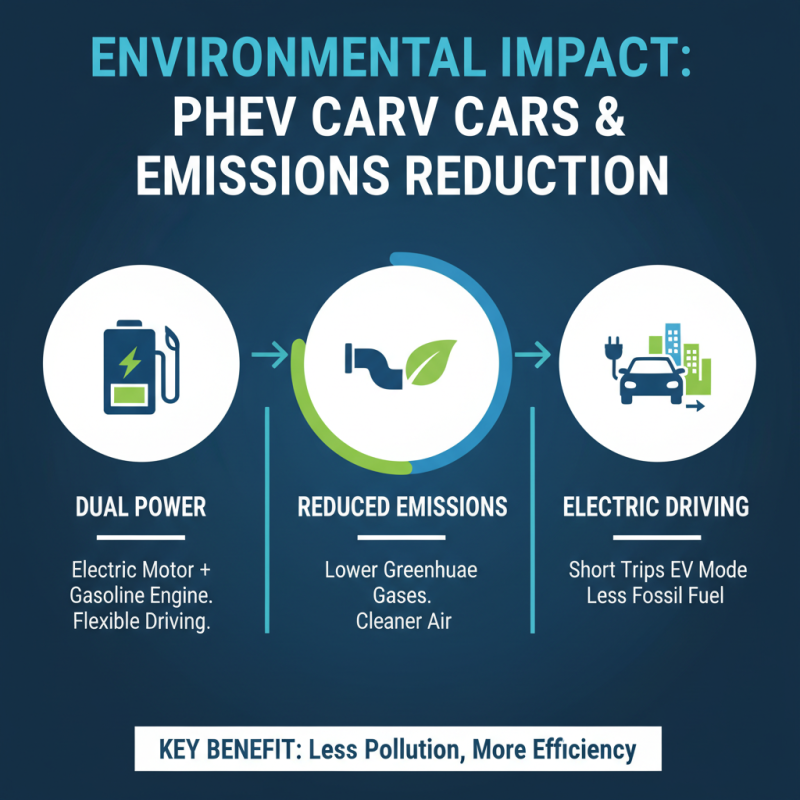
Plug-in Hybrid Electric Vehicles (PHEVs) are gaining attention for their significant environmental benefits. These vehicles can reduce greenhouse gas emissions compared to standard gasoline cars. By using both an electric motor and a traditional engine, PHEVs offer a flexible driving experience. They can run purely on electric power, especially for short trips, which reduces reliance on fossil fuels.
Reducing emissions is crucial in today's climate crisis. PHEVs emit fewer pollutants during operation. This is vital for improving urban air quality. Cities benefit from decreased smog and respiratory issues commonly linked to vehicle emissions. However, the life cycle of PHEVs is an area needing more evaluation. The production and eventual disposal of batteries still pose environmental challenges. This highlights the need for continual improvement in battery technology and recycling processes.
Moreover, while the shift to PHEVs is promising, not every driver is ready to make this change. Charge infrastructure and battery range are still concerns for potential buyers. Driving habits play a significant role in leveraging PHEV benefits. Understanding personal usage patterns is key to maximizing environmental impact. As communities evolve, PHEVs can play a transformative role in achieving sustainability goals.
Cost Savings: Analyzing Fuel Economy and Incentives for PHEV Owners
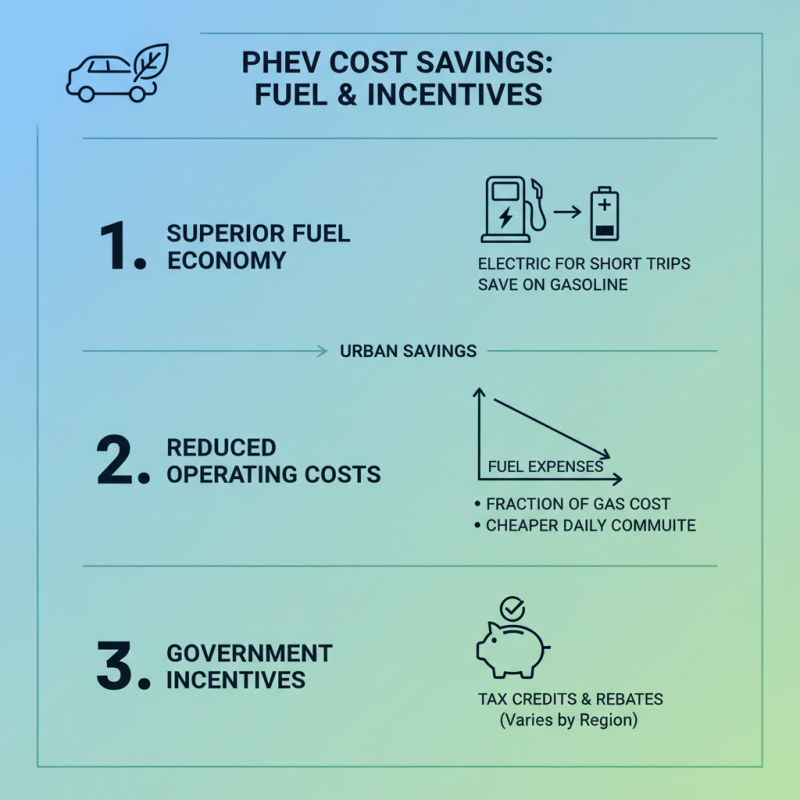
Considering a PHEV for your next vehicle is a smart move. One of the main draws is fuel economy. These cars can run on electricity for short trips, saving gasoline. When using only electric power, many drivers spend much less—sometimes even a fraction of the cost of gasoline. In urban areas, this can lead to significant savings.
Incentives play a crucial role too. Many regions offer tax credits for PHEV owners, enhancing overall savings. These credits can lower the purchase price considerably, making these vehicles more accessible. However, not everyone qualifies for the incentives. Some buyers may feel frustrated if they don't meet certain criteria. It's vital to check local regulations and ensure you reap the benefits.
Beyond costs, owning a PHEV often means reduced emissions. This is a crucial detail for eco-conscious consumers. However, charging infrastructure can sometimes be an obstacle. In many areas, charging stations are limited. This can deter potential buyers who worry about convenience. Nonetheless, for many, the advantages of fuel savings and environmental impact outweigh these challenges.
Technology in PHEVs: Understanding the Battery Systems and Performance
Plug-in Hybrid Electric Vehicles (PHEVs) offer a unique blend of traditional and electric driving. Their battery systems are crucial for their performance. The batteries in PHEVs vary in size and capacity. They typically include lithium-ion technology, which provides decent electric range and efficiency. However, some drivers see limited all-electric capability, especially in colder climates.
Charging options are flexible, allowing users to plug in at home. This convenience can lead to significant fuel savings. Yet, not all owners take advantage of home charging. Some may rely solely on gasoline, missing out on the benefits that PHEVs provide. It’s essential to understand how to maximize battery life. Regular charging, avoiding deep discharges, and temperature management can help. Some drivers forget these practices, leading to diminished performance over time.
In terms of acceleration and responsiveness, PHEVs can excel. The electric motor delivers instant torque, enhancing the driving experience. However, the weight of the battery can affect handling. Many drivers notice this compromise during spirited driving. The complexity of the hybrid system might also be daunting for some. Understanding battery management can be confusing, but it's vital for long-term satisfaction. Embracing the technology requires a willingness to learn and adapt.
Market Trends: The Growth and Adoption Rates of PHEV Vehicles Globally
The global market for Plug-in Hybrid Electric Vehicles (PHEVs) is expanding rapidly. Adoption rates are increasing as consumers seek environmentally friendly transportation. Many drivers appreciate the flexibility PHEVs offer. They provide electric-only driving and a gasoline backup. This reduces range anxiety, a common concern among potential electric vehicle owners.
Recent trends indicate a significant rise in PHEV sales. This growth is driven by a combination of government incentives and increased availability. Consumers are becoming more informed about carbon emissions. They want to contribute to sustainability efforts. However, it's essential to consider charging infrastructure and battery lifespan when thinking about PHEVs. Some areas may lack adequate charging stations, which could deter potential buyers.
While the advantages of PHEVs are clear, challenges remain. Not all PHEVs are equally efficient, and some may not meet consumer expectations. Buyers must research thoroughly. Understanding the total cost of ownership is crucial. Studies indicate that while initial costs can be higher, the long-term savings on fuel can be substantial. It’s a path worth exploring for many, but reflection on personal needs is vital.