Top Car Shopping Trends for 2026 What Buyers Should Know
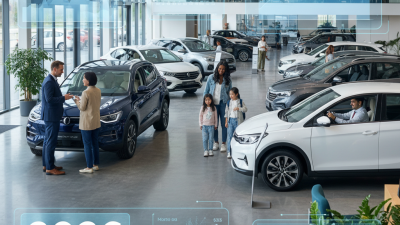
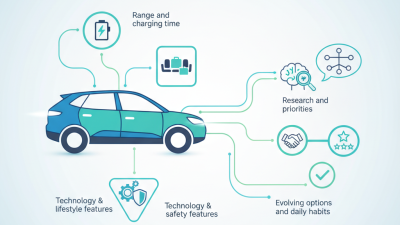
As we approach 2026, the landscape of car shopping is evolving rapidly. Buyers are becoming more informed and discerning. They have higher expectations around technology, sustainability, and customer experience. Today’s consumers demand not just a vehicle, but an entire package that fits their lifestyle.
The car shopping process is often overwhelming. There are numerous options to consider. Features like electric vehicles and advanced safety systems are becoming standard. Online research and virtual showrooms are gaining popularity. However, many buyers may still feel uncertain or confused about their choices. Trusting dealers and manufacturers is essential in this journey.
In this increasingly competitive market, staying informed is crucial. Buyers need to know what trends will shape their experience. Understanding these trends can help alleviate some anxiety. The right information empowers consumers in their car shopping endeavors. Thus, being prepared will lead to more satisfying purchases in the coming years.
Emerging Technologies Shaping the Future of Car Shopping in 2026
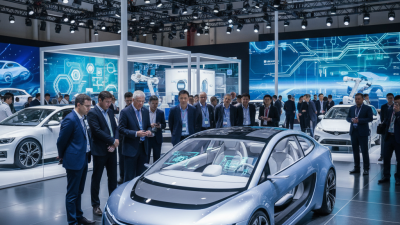
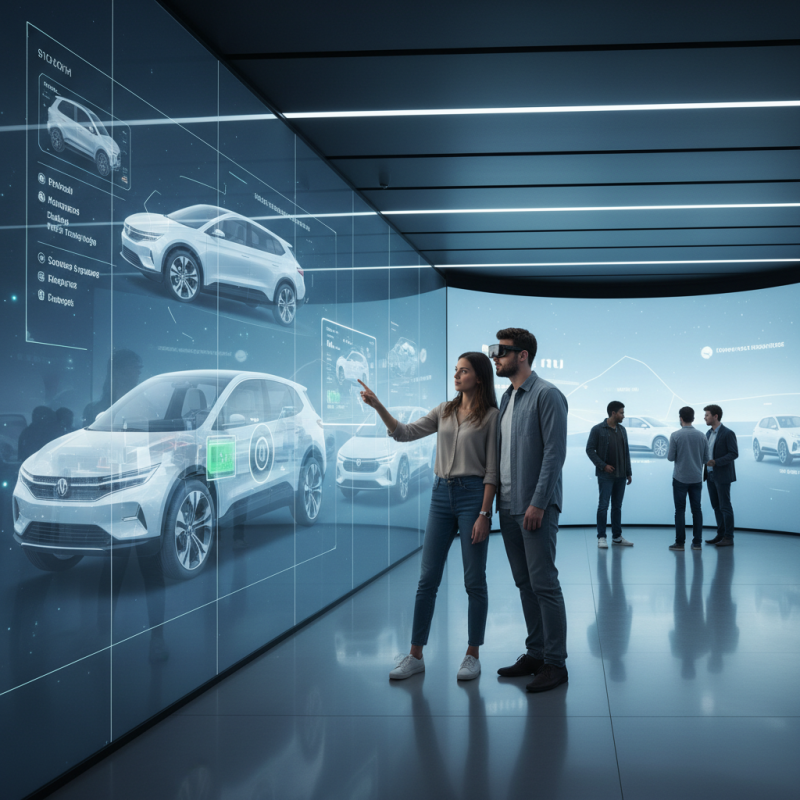
As we approach the year 2026, emerging technologies are set to transform car shopping in remarkable ways. Virtual reality (VR) offers buyers an immersive experience. They can explore car interiors and exteriors from the comfort of their homes. This technology makes test-driving feel almost real. Interactive apps are becoming essential tools for potential buyers. They enable users to compare models and prices effortlessly, allowing for informed decisions.
Artificial intelligence is another game changer. AI algorithms can suggest vehicles based on user preferences. This personalization can make the shopping experience smoother and more enjoyable. However, reliance on technology raises concerns. Are buyers becoming too dependent on digital tools? Data security is a significant issue, as shoppers share personal information. Many fear losing control over their data.
Another aspect to consider is the rising role of online marketplaces. Some buyers may feel overwhelmed by the choices available. Finding the right car amidst countless options can be daunting. While technology aims to simplify the process, it can also complicate decision-making. Buyers will need to navigate this evolving landscape carefully.
The Rise of Electric and Autonomous Vehicles in Consumer Preferences
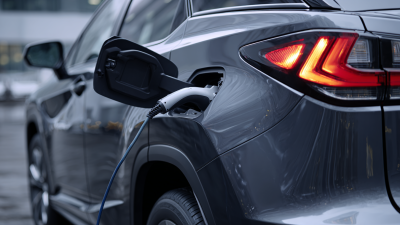
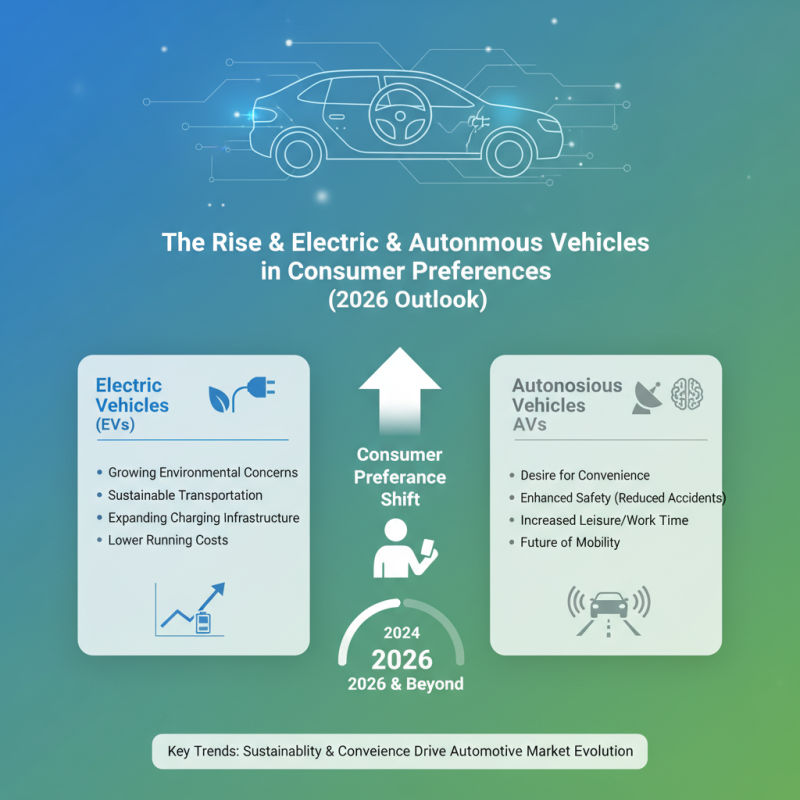
As we approach 2026, the automotive market is shifting. Buyers are increasingly leaning toward electric vehicles (EVs) and autonomous driving technology. This trend is not just a phase; it reflects a deeper desire for sustainable transportation and convenience. With rising environmental concerns, more people are open to the idea of EVs. Charging infrastructure is expanding rapidly, making it easier for potential buyers to consider these options.
Autonomous vehicles are increasingly appealing as well. They promise to enhance safety and reduce stress during commutes. However, this transition raises questions. Are current technologies truly reliable? Many consumers are hesitant, fearing potential issues with safety and performance. Education about these technologies must improve. Buyers seek expert opinions and data to bolster their expectations.
As preferences evolve, it is crucial for buyers to stay informed. Understanding the benefits and limitations of these advancements will guide their decisions. The excitement surrounding electric and autonomous vehicles is palpable. But it also prompts critical discussions about readiness and acceptance. The road ahead may not be perfect, but it is undoubtedly fascinating.
Key Factors Influencing Buyer Decisions in the Car Market
The car market is evolving rapidly. Buyers in 2026 will prioritize sustainability and technology. With the growing concern for the environment, many will seek electric and hybrid models. This shift influences purchasing decisions significantly.
Tips for buyers: Research the latest technologies. Look for features that enhance safety and efficiency. Consider how much you drive weekly, as some cars excel in urban settings while others suit long distances.
Another critical factor is the cost of ownership. Monthly payments matter, but so do maintenance and fuel costs. Many buyers overlook long-term expenses when buying a new car. Understanding total ownership costs can lead to better decisions.
As you explore options, remember to test drive multiple vehicles. Feel the difference in comfort and handling. Do not rush. Each car has its strengths and weaknesses. Reflecting on your needs can help you make a more informed choice.
Top Car Shopping Trends for 2026 - Key Factors Influencing Buyer Decisions in the Car Market
| Trend |
Influence on Buyer Decisions |
Percentage Impact |
Expected Growth |
| Electric Vehicles (EVs) |
Growing environmental awareness and regulatory incentives |
45% |
25% annually |
| Digital Shopping Tools |
Preference for online purchasing and virtual showrooms |
38% |
30% annually |
| Sustainability Features |
Increased demand for eco-friendly car materials |
33% |
20% annually |
| Connectivity and Smart Features |
Preference for integrated tech and safety features |
46% |
15% annually |
| Automated Driving Capabilities |
Interest in self-driving and advanced driver-assistance systems |
40% |
10% annually |
The Impact of Online Platforms on Car Buying Experience
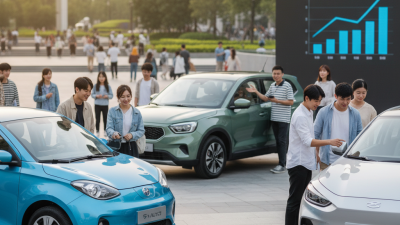
The rise of online platforms has transformed the car buying experience. In 2026, buyers are more comfortable researching and purchasing vehicles online. This shift has led to a more informed consumer base. Access to detailed vehicle information is just a click away. Buyers can compare prices, read reviews, and view expert analysis. Yet, the convenience brings challenges. Online transactions lack the personal touch of traditional dealerships.
Tips: Always verify information from multiple sources. Look for user reviews and testimonials to gauge credibility.
Virtual reality options are gaining traction. Buyers can now take virtual tours of cars before buying. This technology offers an immersive experience but can also be misleading. Images can enhance the appeal of a vehicle. Buyers should ensure what they see online matches reality.
Tips: Schedule an in-person inspection before finalizing your decision. It’s essential to assess the vehicle's condition firsthand. Don't solely rely on digital representations.
Sustainable Practices and Their Role in 2026 Car Purchases
As car buyers gear up for 2026, sustainable practices are becoming increasingly important. Eco-friendly options are dominating conversations around car purchases. Electric vehicles are at the forefront, but consumers are also looking at hybrids and fuel-efficient models. Many buyers prioritize minimal environmental impact over traditional performance metrics.
Sustainability goes beyond just the vehicle’s fuel source. Buyers are interested in the materials used in car manufacturing. Recycled materials and sustainable production processes can influence decisions. Transparency in a manufacturer’s supply chain is essential too. Customers seek brands that showcase a commitment to reducing their overall carbon footprint.
However, not all buyers fully understand what sustainability entails. Some may view it solely as a trend, questioning its long-term viability. Others struggle with the cost associated with green technologies. There is a need for education and clear communication about the benefits of sustainable choices. As the market evolves, so does the need for informed and responsible purchasing decisions.