Top Tips for Choosing the Right EV SUV for Your Needs?
Choosing the right EV SUV can be challenging. Many options exist, each with unique features. Understanding your needs is essential before making a decision.
The market for EV SUVs is growing rapidly. New models offer advanced technology, impressive range, and eco-friendly benefits. However, factors like price, performance, and comfort vary significantly. It's important to prioritize what matters most to you.
Consider your daily routine and driving habits. Think about how far you typically drive and whether you need extra space. Exploring different models might reveal unexpected preferences. Remember, the perfect EV SUV for someone else might not meet your requirements.
Understanding Your Driving Needs and Lifestyle Factors
When choosing an EV SUV, understanding your driving needs is crucial. Consider your daily commute. How far do you drive to work? An efficient range is key for city dwellers. If you often travel long distances, look for a model with a robust battery capacity.
Lifestyle factors also play a significant role. Do you have a family? Ensure there's enough space for everyone and their gear. If you’re an outdoor enthusiast, consider how much cargo space is available. Evaluate charging options based on where you live. Are there convenient stations nearby? Home charging solutions can add convenience.
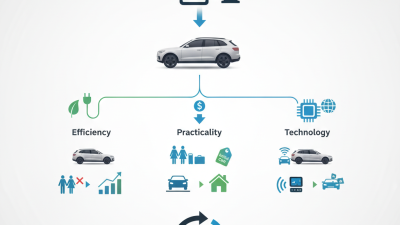
Take time to reflect on your priorities. What matters most: sustainability, performance, or technology? Balance your preferences with what's practical. It's easy to get caught up in features. Focus on what truly fits your lifestyle. This process may reveal some surprises about your needs.
Evaluating EV Range and Charging Infrastructure
When selecting an EV SUV, understanding the vehicle's range and the availability of charging infrastructure is critical. Recent data shows that the average electric vehicle range is around 250-300 miles. However, many factors influence this number, such as driving habits and environmental conditions. For instance, colder temperatures can reduce battery efficiency, impacting overall range.
Charging infrastructure is another pivotal aspect. A report from the International Energy Agency indicates that there are over 1.8 million public charging points worldwide as of 2023. Yet, access to fast charging can be limited in rural areas, making long trips challenging. Choosing an EV SUV means evaluating whether charging stations are conveniently located along your usual routes.
Real-world feedback suggests that not all models deliver on their promised range. Some drivers find discrepancies between manufacturer claims and actual performance. This can lead to frustration, especially if your daily commute exceeds the vehicle's real-world range. Keep in mind that the charging time varies widely. Fast-charging stations may offer an 80% charge in 30 minutes, yet standard home chargers can take up to 12 hours for a full charge.
Comparing Price Points and Budget Considerations
When choosing an EV SUV, price is a crucial factor. In 2023, the average price for electric SUVs is around $60,000. This figure represents a 25% increase compared to previous years. Many buyers must consider their budgets carefully. Government incentives can help, but they vary by location. Some regions offer substantial rebates that can lower the effective price significantly.
Financing is another area worth exploring. Many buyers finance their EV purchases. Industry reports suggest that loan rates for electric vehicles hover around 4% to 6%. However, this may fluctuate based on credit scores and economic conditions. Comparing different financing options could lead to significant savings over time. EV ownership costs also include maintenance, which tends to be lower due to fewer moving parts compared to gasoline vehicles.
Understanding long-term ownership costs is essential. Charging infrastructure is improving, but home charging setups often require an initial investment. Public charging stations may charge varying rates. Consider your driving habits and how often you will rely on public charge points. Not all SUVs offer efficient range. Power consumption can vary widely among models, which affects overall energy costs. Ultimately, it's vital to assess your specific needs against your budget constraints.
Assessing Performance and Features of EV SUVs
When selecting the right EV SUV, assessing performance and features is crucial. Start with the vehicle's range; many models today exceed 250 miles on a full charge. According to the U.S. Department of Energy, a typical family SUV consumes about 15-25 kWh per 100 miles. Consider how daily commutes fit within this range.
Charging options should also be evaluated. Fast charging stations can refill your battery significantly within 30 minutes. However, availability may vary by location. A study from the International Energy Agency shows that urban areas typically have more access to charging infrastructure than rural locations.
Look closely at the performance metrics. Acceleration times can vary widely, with some EV SUVs reaching 0-60 mph in under 4 seconds. This is a notable advantage over traditional gas-powered SUVs. Moreover, check the cargo space and interior options. Comfort should not be compromised for performance; this discrepancy can lead to buyer’s remorse in the long run.
While you may find appealing features, reflect on what truly matters to your lifestyle. Whether it's towing capacity or high-tech safety features, ensure they align with your needs. Balancing preferences with practicalities is essential for making a satisfactory choice.
Researching Manufacturer Reputation and Warranty Options
When selecting the right EV SUV, researching the manufacturer's reputation is crucial. Take time to read reviews and testimonials from current owners. Look for feedback on reliability and customer service. A positive reputation can greatly influence your purchase decision. You want a brand that stands behind its vehicles and prioritizes quality.
Warranty options are equally important. Evaluate the length and coverage of the warranty offered. A comprehensive warranty can safeguard you against unexpected repair costs. Many manufacturers vary in what they cover. Some might include roadside assistance or battery performance guarantees. Compare these options thoughtfully. Understanding what is included will help you make informed choices.
There are no perfect solutions. Even reputable manufacturers might have issues with specific models. It’s wise to keep an open mind. Current policies and practices can change over time. Stay updated by following industry news. Engaging with online communities can provide insights. Users often share experiences that reflect real-world performance. This approach helps ensure your final choice aligns with your expectations and needs.