What is a Self Charging Hybrid Car Understanding the Benefits and Features
As the automotive industry continues to evolve, the advent of Self Charging Hybrid Cars represents a significant advancement in sustainable transportation. These vehicles harness the benefits of both electric and traditional gasoline engines, allowing for a seamless and efficient driving experience. With a focus on reducing carbon emissions and enhancing fuel efficiency, Self Charging Hybrid Cars not only offer a practical solution for eco-conscious drivers but also showcase innovative technology that redefines how we think about vehicle energy consumption.
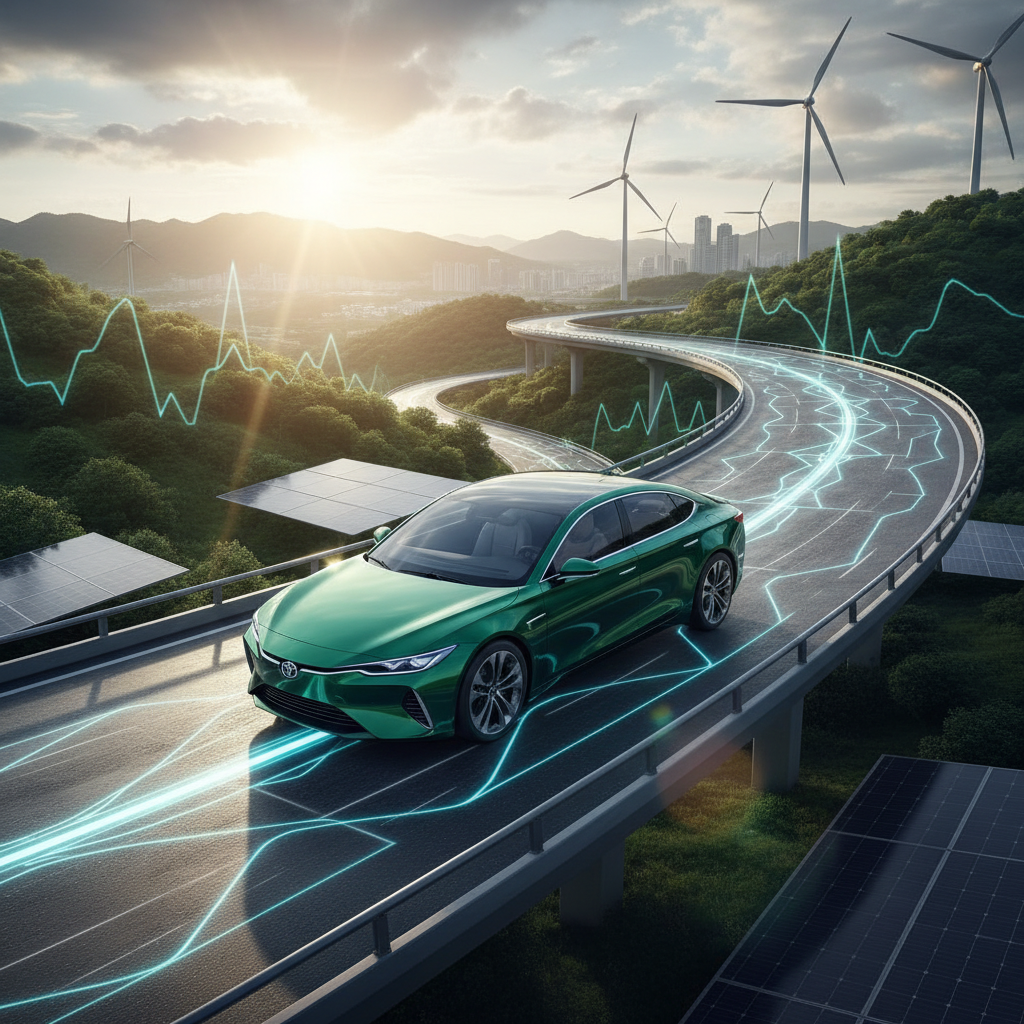
Understanding the features and benefits of Self Charging Hybrid Cars is crucial for consumers looking to make informed decisions in an increasingly green-minded market. These vehicles are engineered to charge their batteries while driving, eliminating the need for external charging stations and providing the convenience of extended range without the common range anxiety associated with fully electric vehicles. Consequently, this makes them an attractive option for those who seek to minimize their environmental impact without compromising on performance or range.
In the following sections, we will explore the various attributes that make Self Charging Hybrid Cars stand out, including their environmental benefits, cost-effectiveness, and technological innovations. By delving into these aspects, we aim to provide a comprehensive overview of why Self Charging Hybrid Cars are poised to play a pivotal role in the future of personal and public transportation.
What Defines a Self Charging Hybrid Car?
A self-charging hybrid car is defined by its unique ability to generate and store electrical energy without requiring external power sources. This process primarily involves the use of an internal combustion engine in conjunction with an electric motor. While driving, the car's engine powers the vehicle and simultaneously charges the hybrid battery. This technology allows the vehicle to seamlessly switch between gas and electric power, enhancing fuel efficiency and reducing emissions.
One of the standout features of self-charging hybrid cars is their regenerative braking system, which captures kinetic energy during braking and converts it into electricity. This not only helps recharge the battery but also contributes to a more efficient driving experience. Additionally, self-charging hybrids are engineered to optimize power distribution between the gasoline engine and electric motor, ensuring that drivers benefit from rapid acceleration and lower fuel consumption. Overall, self-charging hybrid cars represent a significant step forward in automotive technology, combining convenience and sustainability in a single package.
Key Components of Self Charging Hybrid Vehicles
Self-charging hybrid vehicles represent a significant advancement in automotive technology, combining traditional internal combustion engines with electric propulsion systems. One of the key components of these vehicles is the regenerative braking system, which captures energy normally lost during braking and converts it into electric power. This energy is then stored in the vehicle’s battery, allowing the car to use it for electric propulsion, enhancing fuel efficiency and reducing emissions.
Another important feature is the electric drive motor, which works in tandem with the gasoline engine. This motor can either assist the engine during acceleration or drive the vehicle on its own at lower speeds, allowing for more efficient use of fuel. Additionally, the battery management system plays a crucial role in optimizing battery performance and longevity by controlling the charging and discharging processes. Together, these components make self-charging hybrid cars not only environmentally friendly but also practical for everyday use, as they reduce dependence on external charging infrastructure.
Environmental Benefits of Self Charging Hybrids
Self-charging hybrid cars offer a compelling solution for environmentally conscious drivers. These vehicles combine traditional gasoline engines with electric propulsion, allowing them to recharge their batteries through regenerative braking and the engine itself. This feature means that drivers do not need to plug in their cars, making them an excellent choice for those who prefer convenience without sacrificing eco-friendliness.
One significant environmental benefit of self-charging hybrids is their reduced emissions. Compared to conventional vehicles, they produce fewer greenhouse gases, contributing to better air quality and decreased reliance on fossil fuels. As cities are increasingly grappling with pollution and climate change, adopting self-charging hybrids can play an essential role in mitigating these issues.
Tips for Eco-Friendly Driving: To maximize the environmental benefits of your self-charging hybrid, try to adopt smooth driving habits. Avoid rapid acceleration and hard braking, as these actions can waste energy and reduce your vehicle's efficiency. Additionally, regular vehicle maintenance, such as tire pressure checks and timely oil changes, can enhance your hybrid's performance and further decrease emissions.
Cost Efficiency and Fuel Savings with Hybrid Technology
Self-charging hybrid cars are revolutionizing the automotive industry by offering significant cost efficiency and fuel savings due to their innovative technology. These vehicles combine a traditional internal combustion engine with an electric propulsion system, allowing them to optimize fuel usage. According to the U.S. Department of Energy, hybrid cars can achieve fuel economy ratings up to 60 miles per gallon (MPG) in city driving conditions. This remarkable efficiency not only reduces fuel costs for drivers but also lowers carbon emissions, aligning with global sustainability goals.
Additionally, the cost savings extend beyond fuel efficiency. A report by the International Council on Clean Transportation highlights that hybrid owners can save an average of $1,500 on fuel costs over five years compared to traditional gasoline-powered vehicles. Moreover, with maintenance costs generally lower for hybrids—thanks to reduced wear on the engine and braking systems—it becomes evident that investing in a self-charging hybrid car is economically advantageous. The growing availability of hybrid models across various price points further enhances their accessibility, making them an appealing option for budget-conscious consumers looking to reduce their transportation expenses while contributing to a greener planet.
Technological Advances in Self Charging Hybrid Systems
Self-charging hybrid cars represent a significant technological advancement in the automotive industry. These vehicles are equipped with advanced regenerative braking systems and sophisticated energy management software that allow them to harness energy typically lost during driving. When a self-charging hybrid car decelerates or brakes, it converts kinetic energy into electrical energy, which is stored in the battery.
This process not only enhances fuel efficiency but also reduces emissions, making these vehicles a more environmentally friendly option.
Moreover, recent developments in battery technology have empowered self-charging hybrids to optimize their performance further. With battery sizes increasing and charging speeds improving, these vehicles can now capture and store more energy, translating to longer electric-only driving ranges. Additionally, integration with smart technologies enables real-time monitoring of energy consumption, helping drivers make informed decisions to maximize efficiency.
This combination of regenerative capabilities and innovative battery management showcases the leap forward in hybrid vehicle technology, making self-charging hybrids a practical choice for eco-conscious consumers.