What is a PHEV Car and How Does it Work?
PHEV cars, or Plug-in Hybrid Electric Vehicles, are becoming increasingly popular. These vehicles combine a traditional internal combustion engine with an electric motor. This unique design allows for greater flexibility and efficiency in driving.
Drivers enjoy the benefits of both worlds. PHEV cars can run on electric power for short trips, helping to reduce emissions. On longer journeys, the gasoline engine kicks in. This dual capability can ease range anxiety, a common concern with all-electric vehicles. However, not all models offer equivalent performance or efficiency. Some PHEVs struggle with battery life and charging speed.
Understanding how PHEV cars operate is essential for prospective buyers. Factors like battery size and engine efficiency vary widely among different models. In many cases, existing knowledge about traditional vehicles may not fully translate to PHEVs. Overall, these cars represent a step toward a more sustainable future. Yet, consumers should weigh their options carefully before making a purchase.
What is a PHEV Car?
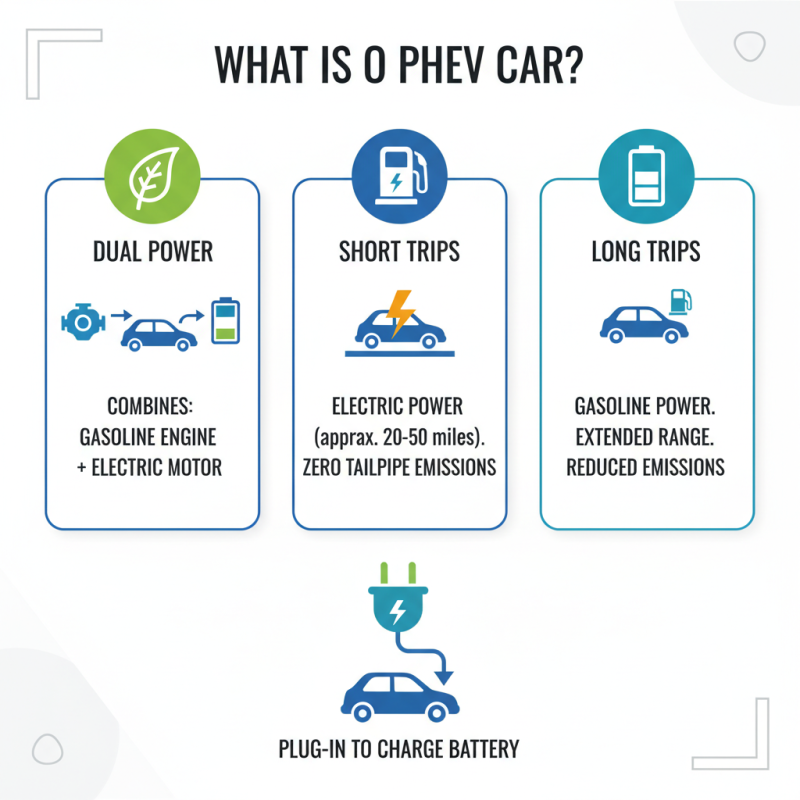
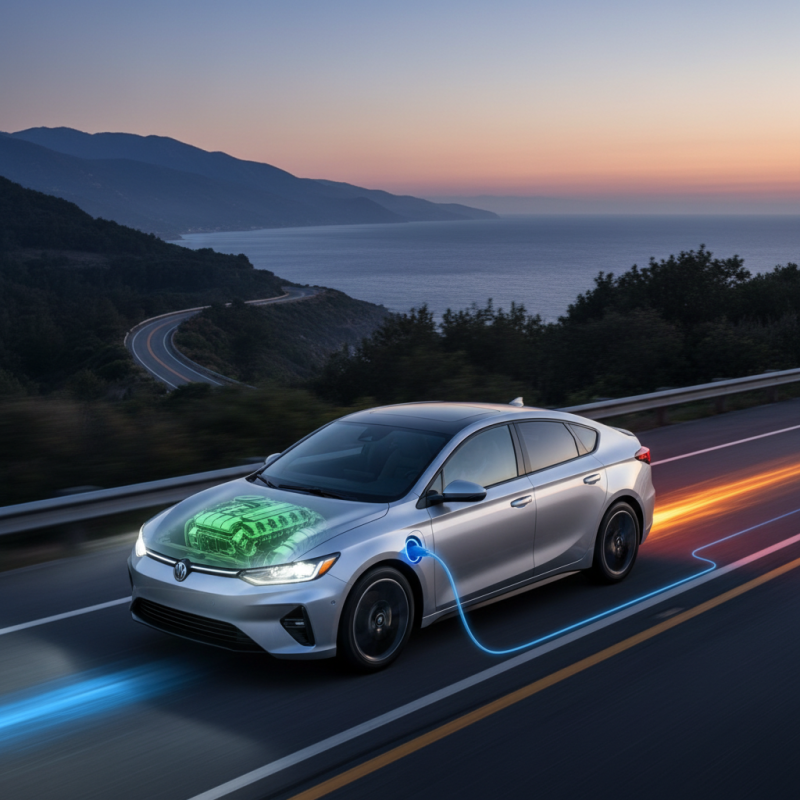
A PHEV, or Plug-in Hybrid Electric Vehicle, combines traditional gasoline engines with electric propulsion. This hybrid format allows for enhanced fuel efficiency and reduced emissions compared to conventional vehicles. Typically, a PHEV can operate on electric power for short distances, making it suitable for daily commutes. The gasoline engine kicks in for longer trips, providing flexibility.
PHEVs come equipped with a large battery that can be charged at home or public charging stations. On average, they can travel 20 to 50 miles on electric power alone. This feature reduces the frequency of gasoline usage. However, charging habits can be inconsistent among users. Some might forget to plug their cars in, which lowers the benefits of owning a PHEV.
Driving a PHEV requires some adjustment. The shift between electric and gasoline power can feel different. It's essential to be mindful of your driving patterns. While they offer benefits, they also come with challenges such as battery life and maintenance costs. Understanding these aspects can help potential owners make informed choices.
Key Components of a PHEV Vehicle
A Plug-in Hybrid Electric Vehicle (PHEV) integrates both a traditional internal combustion engine and an electric motor. This combination aims to maximize efficiency and reduce emissions. A PHEV typically features a larger battery compared to standard hybrids, allowing for significant electric-only driving ranges—averaging between 20 to 50 miles. According to the International Energy Agency (IEA), global sales of PHEVs increased by 50% in 2021, highlighting their growing popularity.
Key components of a PHEV include the battery pack, electric motor, and a conventional gasoline engine. The battery serves as the primary energy source for electric driving, while the gasoline engine kicks in for longer ranges. The regenerative braking system is crucial, as it captures energy normally lost during braking. This energy recharges the battery, enhancing efficiency. Reports from the U.S. Department of Energy indicate that PHEVs can achieve up to 100 miles per gallon equivalent (MPGe) in electric mode.
One area needing reflection is the battery's environmental impact. Manufacturing and disposal can pose challenges. Additionally, charging infrastructure remains uneven across regions, limiting the convenience of electric driving. As the market evolves, further advancements could help address these obstacles. Stakeholders must focus on sustainable practices that ensure PHEVs serve as truly eco-friendly alternatives.
What is a PHEV Car and How Does it Work? - Key Components of a PHEV Vehicle
| Component |
Description |
Function |
| Electric Motor |
A device that converts electrical energy into mechanical energy. |
Provides propulsion and assists with acceleration. |
| Battery Pack |
Stores electrical energy to power the electric motor. |
Supplies energy for electric-only driving range. |
| Internal Combustion Engine (ICE) |
Converts fuel into mechanical energy through combustion. |
Works in conjunction with the electric motor for extended range. |
| Power Electronics Controller |
Manages the flow of electrical energy between the battery, motor, and other components. |
Optimizes performance and efficiency of the PHEV system. |
| Regenerative Braking System |
Captures kinetic energy during braking and converts it to electrical energy. |
Recharges the battery and increases energy efficiency. |
How PHEV Cars Operate: Power Sources Explained
PHEV cars, or plug-in hybrid electric vehicles, combine a traditional gasoline engine with an electric motor. This dual-power approach provides flexibility for drivers. The electric motor is powered by a rechargeable battery, which can be charged at home or at public charging stations. The gasoline engine kicks in when the battery is low, offering an extended range for longer trips.
When driving, the PHEV can operate in different modes. In full electric mode, it runs on batteries alone, reducing emissions and dependency on fuel. In hybrid mode, it seamlessly switches between the electric motor and gasoline engine. This balance enhances efficiency but raises a key issue: managing battery life. Frequent cycling can affect battery longevity, requiring drivers to consider their charging habits.
Drivers appreciate the benefits of lower fuel costs and reduced pollution. However, they also face challenges in charging infrastructure. In some areas, charging stations are limited, creating inconvenience. Additionally, relying too much on the gasoline engine can negate some environmental advantages. Understanding these dynamics helps users maximize their PHEV experience.
Benefits of Driving a PHEV Car
Driving a Plug-in Hybrid Electric Vehicle (PHEV) offers several distinct advantages. One major benefit is improved fuel efficiency. In an era of rising fuel costs, PHEVs can significantly reduce how often drivers need to refuel. Many models can travel a considerable distance on electric power alone before the gasoline engine kicks in. This combination helps conserve fuel and save money.
Another perk is the reduced environmental impact. PHEVs emit fewer pollutants compared to traditional gasoline vehicles. This is especially important for urban areas, where air quality can deteriorate. While some critics argue that the production of batteries harms the environment, the overall lifecycle emissions of PHEVs are generally lower.
Furthermore, owning a PHEV can lead to potential tax incentives and rebates. Many governments encourage greener vehicle choices. However, the initial purchase price may still be higher than standard gas cars. Some buyers might hesitate due to upfront costs despite long-term savings. Balancing these pros and cons is crucial when considering a shift to a more sustainable driving option.
Considerations for PHEV Ownership and Use
When considering PHEV ownership, several factors come into play. Plug-in hybrid electric vehicles (PHEVs) combine gas and electric power. This can enhance fuel efficiency. Yet, managing charging habits is crucial. PHEV drivers should charge regularly to maximize electric miles. It may tempt you to rely on gas more than intended.
Tips: Invest in a home charging station. It simplifies the process. Ensure that you understand the battery's range. This can prevent unexpected downtimes. Regularly check your charging habits. You might overestimate your electric range.
Maintenance of PHEVs varies from traditional vehicles. Visit a qualified technician for service. Keeping the battery healthy is essential. Watch for updates from the manufacturer about software improvements. These can boost efficiency and safety. Reflect on your driving patterns. You may find you need more gas than anticipated. Or, perhaps you unlock the full potential of electric driving. Adjust as needed to get the most out of your PHEV experience.
Understanding PHEV Power Consumption
This chart illustrates the average energy consumption of Plug-in Hybrid Electric Vehicles (PHEVs) across different driving modes: Electric Mode, Hybrid Mode, and Gasoline Mode. Understanding this energy consumption is crucial for potential owners to evaluate the efficiency and cost-effectiveness of PHEV ownership.