2026 How to Choose the Best Small Electric Car for Your Needs?
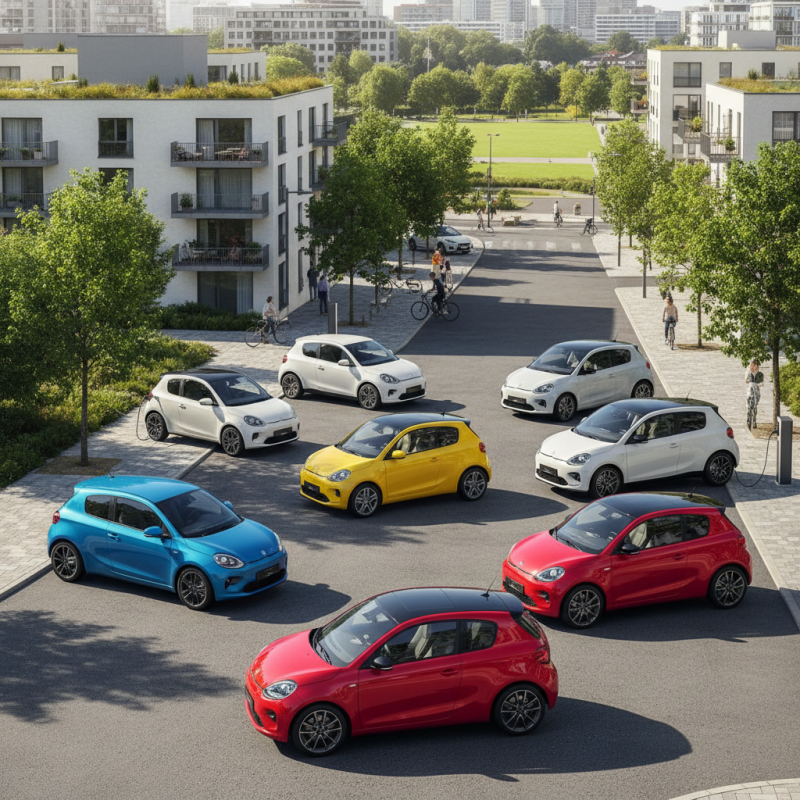
As the world shifts towards greener options, the demand for small electric cars rises. These compact vehicles offer an eco-friendly way to navigate urban environments. They are perfect for city dwellers who need to conserve space and fuel while minimizing their carbon footprint.
Choosing the best small electric car can be challenging. With various models and features, it’s easy to feel overwhelmed. Prospective buyers often overlook key aspects, such as range, charging options, and safety features. Additionally, individual needs vary dramatically. Some may prioritize cost, while others focus on technology and comfort.
Small electric cars come with unique advantages. They typically offer lower operating costs and are easier to park. However, not every model fits every lifestyle. It's essential to reflect on personal preferences and driving habits. Take a moment to consider what matters most in your daily commute.
Understanding Your Driving Needs and Preferences
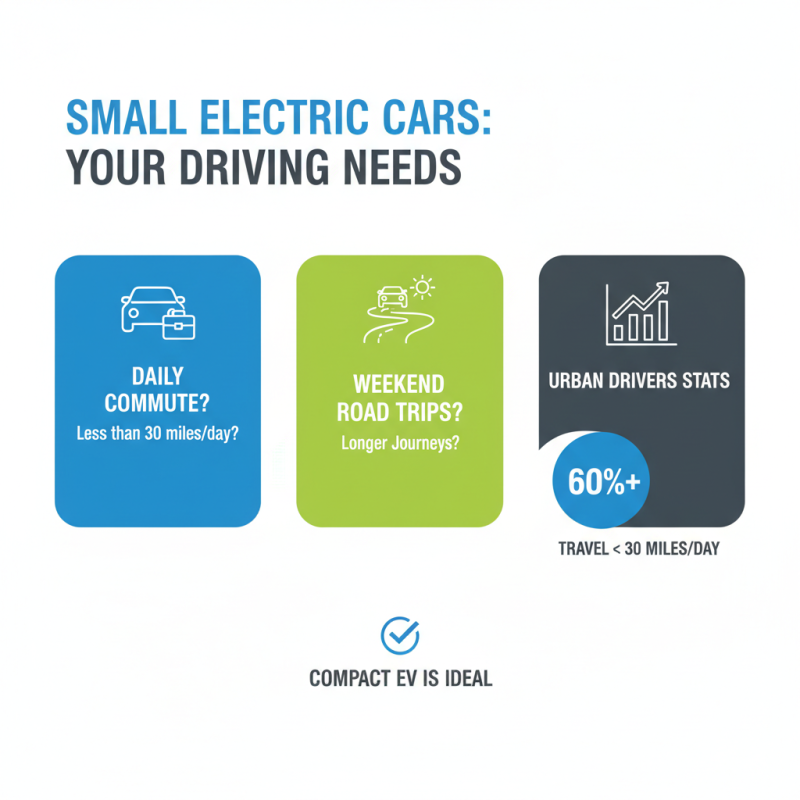
When choosing a small electric car, understanding your driving needs is crucial. Are you commuting daily? Weekend road trips? Analyzing your travel patterns is essential. Research shows that over 60% of urban drivers travel less than 30 miles per day, making a compact electric vehicle ideal for many.
Tips: Determine your typical distance and check battery range. Many small electric cars have a range of 100 to 200 miles. Make sure it fits your lifestyle. For city dwellers, consider charging options at home or nearby. Limited charging stations can be problematic.
It’s worth noting that while small electric cars offer benefits, they also have limitations. Parking space, for instance, can be tight in urban areas. Additionally, the initial purchase cost may be higher than gasoline counterparts. Carefully evaluate your budget and the total cost of ownership. Is the savings on fuel and maintenance worth it? Reflect on these factors before making a decision.
Evaluating Range and Battery Capacity for Daily Use
When choosing a small electric car, range and battery capacity play critical roles. A car with a longer range can handle daily commutes without frequent charging stops. Consider your travel patterns. Do you often make short trips, or do you venture on longer journeys? A compact car may suffice for local errands. However, it should have a good battery capacity to accommodate your needs.
Battery capacity directly affects range. Larger batteries usually provide more mileage. But they also take longer to charge. If your routine includes using public charging stations, this can be inconvenient. Evaluate the average distance you drive daily. This can help determine if a smaller battery will meet your requirements.
Other factors to consider include charging speed and infrastructure. Are there enough charging points in your area? Can you charge at home? If you live in an apartment, this may pose a challenge. Ultimately, weigh the pros and cons of various models. Think about your situations and preferences. A small electric car should fit into your lifestyle seamlessly.
Comparing Cost and Budget Considerations for Small Electric Cars
When considering a small electric car, budget and cost are vital factors. Prices vary significantly across models and options. A basic model might be affordable upfront, but long-term costs are critical. Factors include insurance, maintenance, and battery replacement. These expenses can add up quickly, affecting your overall budget.
Charging infrastructure is a key detail. Home charging stations can require an installation fee. Public charging stations may have different rates as well. Investigate local options and costs. Can you rely on nearby stations? What if you travel frequently? Some owners find unexpected fees when using public charging.
Incentives can help ease the financial burden. Local governments sometimes offer tax credits or rebates for electric vehicles. Research available incentives in your area. However, these programs may change or expire. Unforeseen issues can arise. What if the funding runs out before your purchase? Always consider those uncertainties before deciding on a budget.
2026 How to Choose the Best Small Electric Car for Your Needs? - Comparing Cost and Budget Considerations for Small Electric Cars
| Model |
Range (Miles) |
Price ($) |
Charging Time (Hours) |
Seating Capacity |
| Compact EV A |
150 |
25,000 |
4 |
5 |
| Eco-Friendly EV B |
180 |
30,000 |
6 |
4 |
| Family EV C |
200 |
32,000 |
5 |
5 |
| Urban EV D |
120 |
20,000 |
3 |
5 |
| Luxury EV E |
250 |
40,000 |
8 |
4 |
Assessing Safety Features and Ratings of Electric Vehicles
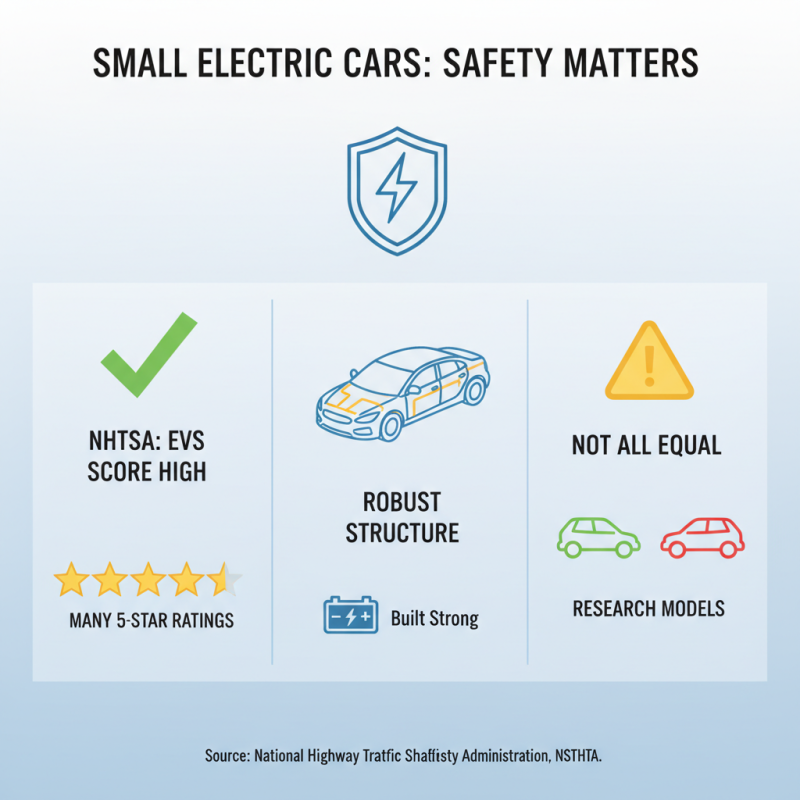
When considering a small electric car, safety features are crucial. The National Highway Traffic Safety Administration (NHTSA) states that electric vehicles tend to score higher in safety ratings. In fact, many models achieve a five-star rating, an indication of their robust structure. However, not all electric vehicles perform equally.
Advanced features such as automatic emergency braking and lane-keeping assist significantly enhance safety. These systems can reduce the likelihood of accidents. Yet, while many cars are equipped with these technologies, their effectiveness varies. A report from the Insurance Institute for Highway Safety (IIHS) highlighted that not all safety systems operate reliably in every situation.
Crash test ratings provide insight, but they don’t tell the full story. Size and design impact how a vehicle protects its occupants. Smaller cars might lack the mass for better crash protection. Prospective buyers should scrutinize the fine print regarding safety features. They must also consider real-world performance. Safety ratings are valuable, but personal experiences and independent reviews often reveal overlooked details. Balancing these factors is key to making an informed choice.
Exploring Available Models and Their Key Features
When selecting a small electric car, it's crucial to consider available models and their features. According to industry data, small electric vehicles (EVs) are gaining traction, with sales increasing by over 50% in the past year. Features like battery range and charging speed are essential. Many models now offer a range of 150 to 300 miles on a single charge, appealing to urban commuters and weekend adventurers alike.
Charging capabilities also vary significantly. Some cars can achieve a full charge in under an hour with fast chargers, while others take much longer. Users need to assess their daily driving needs and availability of charging stations. Consider the vehicle’s size and cargo space as well; as smaller cars may compromise on practicality. Reports indicate that many buyers overlook these aspects, leading to regret later on.
Safety ratings play a vital role, too. Crash test ratings from agencies show a consistent trend of improvement in newer models. However, some smaller EVs still lag in this area. Buyers should review these reports critically. It's important to balance style and functionality. A car may look great, but if it lacks essential features, it may not meet user expectations.