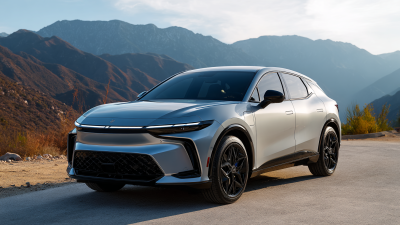
Why Fully Electric Cars Are the Future of Sustainable Transportation
As the world grapples with the pressing challenges of climate change and environmental degradation, the quest for sustainable transportation solutions has never been more critical. Fully electric cars have emerged as a vital component of this transition, offering a cleaner and more efficient alternative to traditional fossil fuel-powered vehicles. These innovative vehicles not only contribute to reducing greenhouse gas emissions but also play a significant role in promoting energy independence and enhancing urban air quality.
The rise of fully electric cars is not merely a trend; it represents a profound shift in how we conceive personal and collective mobility. With advancements in battery technology, charging infrastructure, and renewable energy sources, consumers are increasingly attracted to the promise of electric vehicles as practical and viable alternatives. The integration of fully electric cars into mainstream transportation systems heralds a future where travel is not only convenient but also environmentally responsible.
Embracing fully electric cars paves the way for a sustainable transportation ecosystem that prioritizes ecological balance. As governments, industries, and individuals recognize the long-term benefits of transitioning away from conventional vehicles, it is clear that fully electric cars are not just the future of transportation—they are key to achieving a sustainable and vibrant planet for generations to come.
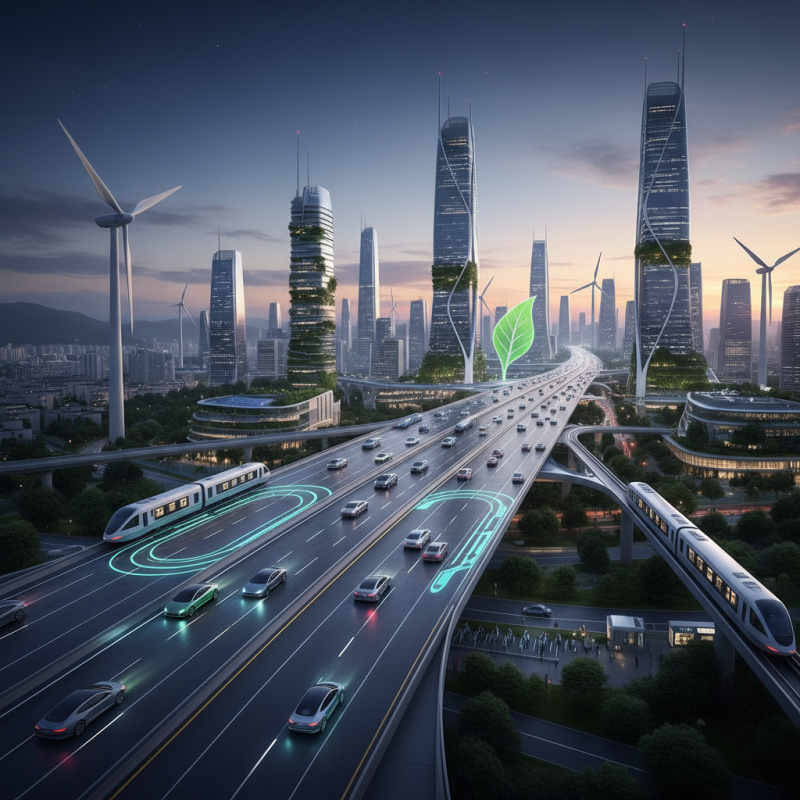
The Environmental Impact of Fully Electric Cars
The environmental impact of fully electric cars is profoundly positive, especially when compared to traditional Internal Combustion Engine (ICE) vehicles. One of the most significant advantages of electric vehicles (EVs) is their ability to operate without emitting harmful greenhouse gases during use. By eliminating tailpipe emissions, EVs contribute substantially to reducing air pollution in urban areas, which often suffer from smog and poor air quality. This transition to electric power is crucial for mitigating climate change, as transportation is a major contributor to global CO2 emissions.
Moreover, the lifecycle of electric cars presents an opportunity for sustainable innovation. As renewable energy sources, such as wind and solar, become more prevalent, the overall carbon footprint of EVs can be significantly diminished. The environmental benefits extend beyond the vehicles themselves; the production and disposal processes of electric cars are increasingly being optimized to minimize waste and enhance recyclability. This shift not only promotes a cleaner atmosphere but also encourages advancements in battery technology and resource management, paving the way for a more sustainable transportation ecosystem.
Advancements in Electric Vehicle Technology
Recent advancements in electric vehicle (EV) technology have transformed the automotive landscape, steering it towards a more sustainable future. One of the significant breakthroughs has been in battery technology, particularly the development of solid-state batteries that offer higher energy densities and faster charging capabilities. This innovation not only enhances the range of electric vehicles but also increases their safety and longevity, addressing some of the primary concerns consumers have had regarding EVs.
Moreover, improvements in electric motor efficiency and regenerative braking systems have made electric cars more appealing. These technologies allow for greater energy recovery during driving, thus maximizing vehicle performance while reducing dependency on external charging sources. Additionally, the integration of smart technology, including advanced driver-assistance systems and vehicle-to-grid connectivity, has the potential to transform how we interact with our cars and energy systems, making electric vehicles not just a choice for eco-conscious consumers, but also a key component in smarter urban planning and energy management.
As these advancements continue to evolve, they solidify the role of fully electric cars in paving the way for sustainable transportation solutions.
Comparative Analysis: Electric Cars vs. Traditional Vehicles
When comparing electric cars to traditional vehicles, several key factors come into play, highlighting why fully electric vehicles (EVs) are becoming a preferred choice for many. One of the most apparent differences is the environmental impact. Electric cars produce zero tailpipe emissions, significantly reducing air pollution and greenhouse gas emissions. In contrast, traditional gasoline-powered vehicles rely on fossil fuels, contributing to carbon emissions and climate change. As consumers become more eco-conscious, the transition to electric vehicles becomes increasingly appealing.
Another critical aspect is the cost of ownership over time. While the initial price of electric cars may be higher, they often result in lower operating costs. EVs are typically more energy-efficient, and their maintenance requirements tend to be less demanding due to fewer moving parts and no need for oil changes. Additionally, the trend of decreasing battery prices suggests that electric vehicles will continue to become more affordable, making them an attractive option for budget-conscious buyers.
Tips: When considering switching to an electric vehicle, research local incentives that can help offset purchase costs. Also, consider installation options for home charging stations to enhance convenience. It is essential to assess your daily driving needs and select an electric car that fits your lifestyle, ensuring maximum efficiency and satisfaction.
Comparison of CO2 Emissions: Electric Cars vs. Traditional Vehicles
This chart illustrates the CO2 emissions per kilometer for electric cars compared to traditional gasoline and diesel vehicles. As shown, electric cars have zero direct emissions, while traditional vehicles produce significant emissions, highlighting the environmental benefits of transitioning to electric transportation.
Government Policies and Incentives for Electric Vehicle Adoption
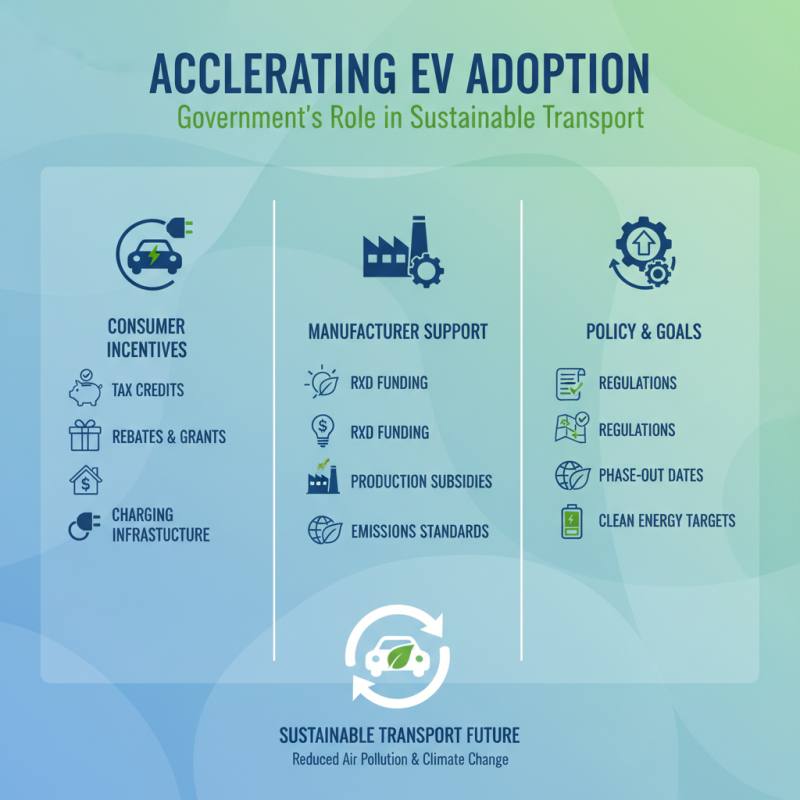
Government policies and incentives play a crucial role in accelerating the adoption of electric vehicles (EVs), which are essential for achieving sustainable transportation goals. Many governments around the world have implemented various measures to promote the transition from traditional internal combustion engine vehicles to fully electric cars. These measures include tax credits, rebates, and grants for both consumers and manufacturers. By reducing the initial cost barrier of purchasing an electric vehicle, these incentives make EVs more attractive to potential buyers.
Additionally, governments are increasingly investing in the development of charging infrastructure, making it easier and more convenient for drivers to charge their electric vehicles. This investment not only addresses range anxiety—one of the common concerns for prospective EV owners—but also helps to normalize the use of electric vehicles. Furthermore, stricter emission regulations encourage automakers to innovate and produce more electric models, leading to a wider selection for consumers. By understanding the critical impact of these policies and incentives, it becomes evident that strategic governmental support is integral to fostering a sustainable future in transportation.
Future Trends in Electric Vehicle Infrastructure Development
The future trends in electric vehicle (EV) infrastructure development are pivotal in transforming transportation systems into sustainable ecosystems. As the adoption of fully electric cars increases, the need for a robust and accessible charging network becomes paramount.
Cities worldwide are prioritizing the development of charging stations, integrating them into urban planning, and ensuring they are conveniently located in residential areas, commercial centers, and along major highways. This strategic placement aims to alleviate range anxiety among users, making electric vehicles a more appealing option for daily commuters and long-distance travelers alike.
Additionally, innovative technologies such as fast-charging stations and wireless charging pads are on the rise, enhancing the convenience and efficacy of EV charging.
Governments and private sectors are collaborating to create an interconnected grid that can efficiently manage energy supply and demand, allowing for smoother integration of renewable energy sources. With smart grids and advanced energy management systems, EV infrastructure can not only cater to current needs but also adapt to future demands, paving the way for sustainable mobility solutions that contribute to decreased carbon emissions and cleaner urban environments.