10 Essential Tips for Choosing the Right Fully Electric Car for Your Needs
As the automotive industry rapidly evolves, the demand for Fully Electric Cars (FECs) continues to surge, driven by rising environmental awareness and technological advancements. According to a recent report by the International Energy Agency (IEA), the global stock of electric cars reached over 10 million in 2020, showcasing a 43% increase from the previous year. This impressive growth underscores a pivotal shift in consumer preferences and regulatory frameworks favoring sustainable transportation solutions.
Industry expert Dr. Emily Johnson, a leading environmental analyst, emphasizes the importance of making informed choices when it comes to FECs. She states, "Choosing the right electric vehicle is not just about switching from gas to electric; it’s about understanding how it fits within your lifestyle, budget, and environmental goals." As consumers navigate through an expanding array of options in the electric vehicle market, the need for comprehensive guidance has never been more critical. Understanding key factors such as battery range, charging infrastructure, and overall efficiency will empower buyers to select a vehicle that truly meets their individual needs and contributes positively to their carbon footprint.
Understanding Your Driving Habits and Needs
When selecting the right fully electric car, understanding your driving habits and needs is essential. According to a 2022 report from the International Council on Clean Transportation (ICCT), the average American drives about 29 miles per day. This data highlights the importance of evaluating your daily commute, the frequency of long trips, and the availability of charging infrastructure. If your daily travel fits comfortably within the range of most electric vehicles (EVs), which often exceeds 200 miles on a single charge, you may find that a fully electric car meets your needs perfectly.
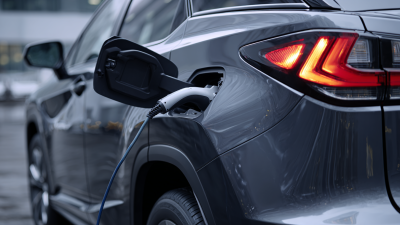
Moreover, considering the charging options available to you is critical. The U.S. Department of Energy reported that around 81% of EV owners charge their vehicles at home, making home charging capabilities a significant advantage. If you have access to a home charging station, the convenience of overnight charging can enhance your overall experience. Conversely, if you frequently travel longer distances and lack sufficient fast-charging stations along your routes, it may be worth exploring models with extended ranges or prioritizing vehicles equipped with rapid charging capabilities. Ultimately, aligning your electric vehicle choice with your driving habits will lead to a more satisfying and sustainable automotive experience.
Electric Car Features Comparison
This chart illustrates key features of fully electric cars. It compares the range, charging time, cost, horsepower, and cargo space, helping potential buyers understand what to look for based on their personal needs and driving habits.
Evaluating the Range and Battery Life of Electric Cars
When it comes to selecting the right fully electric car, evaluating the range and battery life is crucial. The range of an electric vehicle (EV) refers to the distance it can travel on a single charge. This metric can significantly influence your driving experience, especially if you commute long distances or enjoy road trips. It is essential to assess your daily driving habits and determine how far you typically travel. If your routine involves longer trips, opting for a vehicle with a higher range can reduce anxiety about recharging and provide greater flexibility.
Battery life, on the other hand, pertains to how long the battery can maintain its capacity before it needs replacement. A higher battery longevity means fewer maintenance concerns and potentially lower ownership costs over time. Additionally, understanding charging options and times is vital; some vehicles support fast charging, which can be beneficial for those who need to recharge quickly during long journeys. It is also wise to consider the climate and terrain in which you’ll be driving, as these factors can impact range and battery performance. By thoroughly evaluating these aspects, you can make an informed decision that aligns with your transportation needs.
Considering Charging Infrastructure and Home Charging Options
When it comes to choosing a fully electric car, one of the most critical aspects to consider is the charging infrastructure and home charging options available to you. According to a report by the International Energy Agency (IEA), the number of public charging stations has seen an exponential rise, with over 1.8 million charging points globally as of 2021, up from just 500,000 in 2016. This rapid growth highlights the increasing commitment toward electric vehicles (EVs) and suggests that most urban areas are progressively equipped to support EV owners.
However, while public charging stations can alleviate range anxiety, the convenience of home charging cannot be overstated. A study by the National Renewable Energy Laboratory (NREL) indicates that about 80% of EV charging occurs at home. This means that having a reliable home charging solution is essential for maximising the practicality of owning an electric vehicle. Evaluating your home's electrical capacity and whether you can install a Level 2 home charger—capable of delivering a full charge overnight—can greatly enhance your EV experience. Furthermore, when exploring financing options, consider potential incentives for home charging installations, as many regions offer rebates or tax credits aimed at encouraging the adoption of electric vehicles.
Comparing the Total Cost of Ownership for Electric Vehicles
When considering the purchase of a fully electric vehicle (EV), one important aspect to evaluate is the
total cost of ownership. This encompasses not just
the initial purchase price but also long-term expenses such as maintenance, insurance, and charging costs.
Unlike traditional combustion engine vehicles, EVs generally have fewer moving parts, leading to
lower maintenance costs over time. For example, they do not
require oil changes and often have brake systems that last longer due to regenerative braking. This reduced
maintenance can significantly decrease the
long-term financial burden on the owner.
Another crucial factor to consider is the
charging infrastructure and associated costs.
While electric rates can vary by location, many regions offer lower electricity prices for charging vehicles
overnight. Additionally, public charging stations are
becoming more widespread, often with varying rates; thus, it is essential to factor in the
convenience and availability of charging options when
calculating the overall cost.
Incentives and tax credits for electric vehicle purchases can also impact the total cost, making it feasible
for many buyers to opt for an EV. Overall, understanding these aspects will empower potential buyers to make
an informed decision aligned with their financial
situation and driving needs.
Exploring Features and Technology in Fully Electric Cars
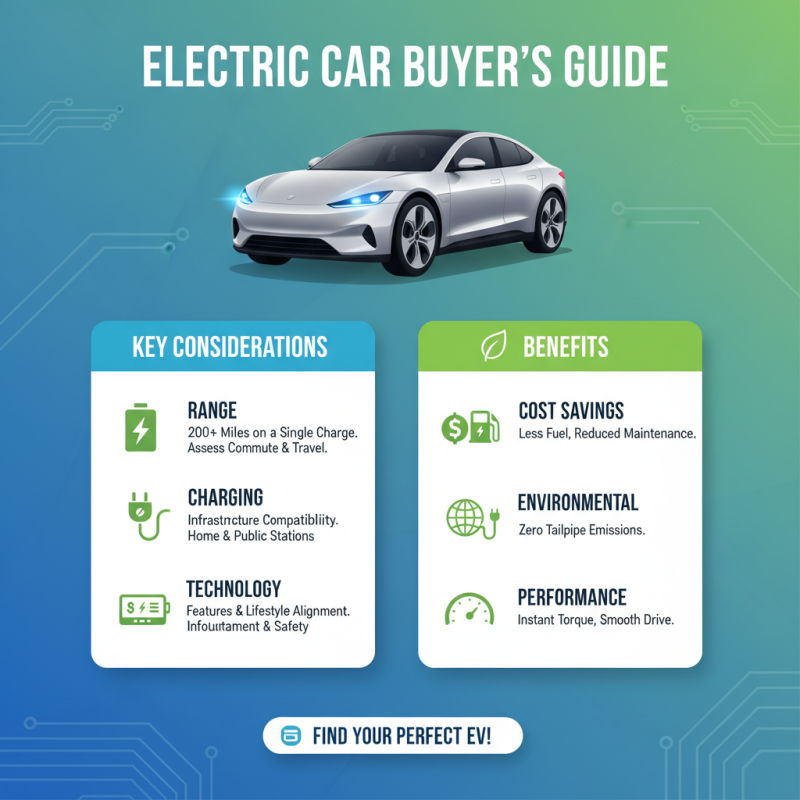
When choosing a fully electric car, it’s crucial to delve into the features and technology that align with your lifestyle. One key aspect is the range of the vehicle, which determines how far you can drive on a single charge. Modern electric cars boast impressive ranges, often exceeding 200 miles, so consider your daily commute and occasional travel needs. Additionally, the charging infrastructure available in your area should be assessed. Look for models that are compatible with various charging stations to ensure convenience and flexibility.
Moreover, advanced technology plays a significant role in the driving experience. Many electric vehicles come equipped with innovative infotainment systems that integrate seamlessly with smartphones, offering navigation, music streaming, and real-time traffic updates. Safety features, such as adaptive cruise control and collision avoidance systems, are also prevalent in electric vehicles, enhancing overall driver confidence. Battery technology is another critical consideration; options with fast charging capabilities can significantly reduce downtime during long trips, making electric cars more practical for everyday use. Prioritizing these features will help you select an electric vehicle that not only meets your requirements but also enhances your driving experience.