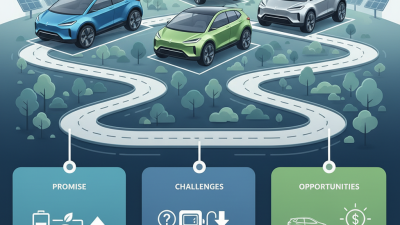
What Is an Electric SUV and How Does It Work?
An Electric Suv combines the raised seating and flexible cargo space of a sport utility vehicle with an electric powertrain. Instead of burning fuel, it uses a battery pack, inverter, electric motor, and electronic controls. The battery stores direct-current electricity. The inverter converts it for the motor. The motor then turns the wheels with immediate torque. It feels quiet at a traffic light, then surprisingly strong when the accelerator moves.
Industry data shows why this technology matters. The International Energy Agency reported that global electric car sales exceeded 17 million in 2024, representing more than one-fifth of new car sales worldwide. The U.S. Department of Energy explains that regenerative braking can recover energy during deceleration. That energy returns to the battery rather than becoming entirely wasted heat. Battery size, vehicle weight, weather, tire pressure, and driving speed all influence real-world range. Laboratory figures are useful, but they are not promises.
Charging is another essential part of the ownership experience. A home charger may replenish energy overnight, while a high-power public charger can add meaningful range during a short stop. Charging speed still depends on the vehicle, battery temperature, charger output, and station condition. The IEA also notes that charging infrastructure must expand alongside electric vehicle adoption. This is where expectations need careful thought. An Electric Suv is not automatically cheaper, cleaner, or more practical in every situation. Electricity sources, maintenance habits, climate, and daily mileage change the result. Understanding these details makes the technology less mysterious and supports a more reliable buying decision.

Electric SUV Definition: Battery Power, Electric Motors, and Zero Tailpipe Emissions
What Is an Electric SUV and How Does It Work?
Electric SUV Definition: Battery Power, Electric Motors, and Zero Tailpipe Emissions
An electric SUV uses a rechargeable battery instead of a gasoline engine. The battery stores electricity as direct current, while an inverter sends controlled power to one or more electric motors. These motors turn the wheels with immediate torque, so acceleration feels smooth and quiet. There is no exhaust pipe releasing carbon dioxide, nitrogen oxides, or other tailpipe pollutants during driving.
The battery sits low beneath the floor in many designs. This placement can lower the vehicle’s center of gravity and improve stability on corners. Regenerative braking also recovers some movement energy. When the driver slows down, the motor works like a generator and sends electricity back to the battery. Energy is still lost, though. Regeneration does not create free power.
Charging can happen at home, work, or public stations. Charging speed depends on the battery, charger, temperature, and available electrical supply. Cold weather may reduce driving range and slow charging. That detail is easy to overlook. Real-world efficiency also changes with speed, heavy cargo, tire pressure, and heating use.
Zero tailpipe emissions do not mean zero environmental impact. Battery production requires energy and raw materials, while electricity may come from fossil fuels or renewable sources. A careful assessment should consider the vehicle’s entire life cycle, not only what leaves the exhaust system. The technology is cleaner at the point of use, but its wider benefits deserve honest measurement.
Battery Architecture: Lithium-Ion Packs Typically Store 60–100 kWh
What Is an Electric SUV and How Does It Work?
Battery Architecture: Lithium-Ion Packs Typically Store 60–100 kWh
An electric SUV uses a high-voltage battery pack to power one or more electric motors. Most packs store 60–100 kWh, although size varies with vehicle weight, range, and performance targets. Inside, individual lithium-ion cells connect into modules, then form a sealed battery assembly beneath the cabin floor. This low position helps reduce body movement during cornering. It also creates a broad, stable driving feel.
The battery sends direct current to an inverter, which controls power flowing to the motor. The motor then turns the wheels with immediate torque. A battery management system monitors temperature, voltage, and cell balance thousands of times during operation. Cooling channels may circulate liquid around the pack during fast charging or heavy driving. In real use, the advertised capacity is not always fully available. Some energy remains protected to reduce battery stress. I once assumed a larger pack guaranteed better efficiency, but extra weight can increase energy consumption.
Tips: Check both gross and usable capacity before comparing vehicles. A 75 kWh pack may provide less than 75 kWh for driving. Examine charging speed, warranty terms, and thermal management details. Cold weather can temporarily reduce range. Plan for that. A home charger usually supports overnight charging, while rapid charging works best when the battery is warm and partly depleted.
Charging Systems: 400–800-Volt Platforms Enable Faster DC Charging
What Is an Electric SUV and How Does It Work?
Charging voltage shapes how quickly an electric SUV can recover driving range. A 400-volt system may deliver 150 kilowatts at roughly 375 amps. An 800-volt system needs about 188 amps for the same output. Lower current can reduce cable heat and electrical losses. It may also permit thinner charging hardware.
The International Energy Agency reported more than four million public charging points worldwide at the end of 2023. Its Global EV Outlook 2024 also noted that public charging networks expanded by about 40% that year. Higher-voltage platforms help these stations transfer energy efficiently. The U.S. Department of Energy explains that charging speed depends on voltage, current, battery temperature, and state of charge. The voltage number can mislead.
In practice, an 800-volt SUV does not always charge twice as fast. The battery may reduce power near 80% to protect its cells. Cold weather can slow the process further. A 400-volt vehicle may also perform well with a suitable charger and thermal system. During testing, the display can show impressive peak power for only a few minutes. That detail matters. Drivers should compare charging curves, not only voltage ratings. Industry specifications, including SAE charging guidance, support careful measurement of connector temperature, cable limits, and communication reliability. Real charging remains less perfect than the brochure suggests.
Electric Propulsion: Motors Deliver Instant Torque and Up to 300 kW
What Is an Electric SUV and How Does It Work?
An electric SUV uses a high-voltage battery to power one or more electric motors. The battery sends direct current to an inverter. The inverter changes it into controlled alternating current for the motor. This process feels immediate. There is no multi-speed gearbox delay.
Electric motors deliver maximum torque from very low speed. Some electric SUVs provide up to 300 kW, depending on battery size, cooling, and software limits. That output can move a heavy vehicle smoothly, even on steep roads. The International Energy Agency reported nearly 14 million electric car sales worldwide in 2023, showing how quickly this technology is expanding. The U.S. Department of Energy also reports that electric drivetrains typically convert 77%–82% of stored energy into motion. Conventional gasoline vehicles often achieve only 12%–30%.
Regenerative braking sends some kinetic energy back to the battery. You may feel the vehicle slow when lifting the accelerator. It is useful, but not magic. Cold weather, high speed, and a full battery can reduce recovery. I have also found that instant torque can make traction control work hard on wet roads.
Tips: Check the motor’s continuous power, not only its peak 300 kW figure. Review charging speed, battery preconditioning, and real-world winter range. A test drive should include hills, tight turns, and gentle throttle inputs.
How Electric SUV Propulsion Works
Electric SUVs use traction motors that can produce maximum torque from zero motor speed, providing immediate acceleration.
In this simplified 300 kW propulsion model, motor power rises with speed before reaching a constant-power region.
Actual vehicles vary according to motor design, battery voltage, software calibration, and thermal limits.
Range and Efficiency: EPA Ratings Reflect Aerodynamics, Weight, and Thermal Losses
An Electric SUV: Understanding Range and Efficiency
An electric SUV uses a battery pack to power one or more electric motors. Energy flows through an inverter, then reaches the motor almost instantly. Regenerative braking recovers some motion energy and sends it back to the battery. The result feels smooth, but efficiency depends on more than battery size.
EPA range ratings reflect controlled testing, not every driver’s routine. A tall SUV pushes more air than a low vehicle, especially at highway speed. Its larger cabin, wheels, and safety structure also add weight. Extra mass demands more energy during acceleration and climbing. Heating the cabin can reduce range because electric vehicles do not waste much engine heat. Cold batteries may also accept energy less efficiently. Real results vary. Mine would, too.
Tips: Check the EPA range beside highway estimates. Keep tires properly inflated, remove unused cargo, and use steady acceleration. Precondition the cabin while charging in cold weather. Watch energy-use screens during long trips; small speed changes can become meaningful losses. Do not treat the rating as a promise. It is a useful baseline, not a personal guarantee. A headwind, wet road, or roof load may reduce range noticeably. Thermal management helps, yet it cannot erase physics.