Leave Your Message

How to Choose the Best Fully Electric Cars for Your Needs?

Choosing the best fully electric cars can be a daunting task. The market offers numerous options, each with unique features. Understanding your personal needs is vital before making a decision.

Fully electric cars provide various benefits, like lower operating costs and reduced emissions. However, some models may offer limited driving range or longer charging times. It's important to consider how these factors affect your daily routine.

Researching expert reviews can help you gain insights into reliability and performance. Additionally, visiting dealerships or test-driving several models can provide hands-on experience. Every driver has different priorities, whether it's space, technology, or efficiency. Be sure to reflect on what truly matters to you.
How to Choose the Best Fully Electric Cars for Your Needs?

Understanding Your Driving Needs and Preferences

When choosing a fully electric car, understanding your driving needs is crucial. Consider your daily commute and the distance you typically travel. According to the U.S. Department of Energy, about 80% of electric vehicle owners charge at home, focusing on cars with sufficient range. If you drive less than 40 miles daily, a model with a range of 150 miles may suffice.

Tips: Assess your charging options before purchasing. Home charging stations can provide convenience but may require installation fees. Evaluate your access to public chargers, especially for longer trips.

Your lifestyle also plays a role. Urban drivers may prefer compact electric models that maneuver easily in traffic. In contrast, families might need larger vehicles with more cargo space. Research has shown that the average family car travels around 12,000 miles per year. Ensure the model you choose aligns with this travel frequency and accommodates passenger needs.

Tips: Prioritize safety and reliability. Check for government crash-test ratings. This data can reveal the vehicle's performance in critical situations. Read reviews and consider the opinions of fellow drivers to gain insights on real-world performance.

Evaluating Range and Battery Life Considerations

When choosing a fully electric car, range and battery life are critical considerations. The distance an electric vehicle can travel on a single charge directly impacts your daily routine. Most drivers prioritize at least 200 miles of range. However, real-world conditions like weather and driving habits can affect this number. It's wise to account for these variables when assessing your needs.

Battery life also plays a crucial role in your decision. A battery's longevity can determine the overall cost of ownership. Charging cycles and environmental factors will impact its lifespan. Regular maintenance and proper charging practices can enhance battery performance, but not all vehicles provide the same durability. Researching real-life experiences from other drivers can provide valuable insights.

Choosing an electric car isn’t solely about numbers. Consider your lifestyle and driving patterns. Do you often take long road trips? Or is your commute usually short? Sometimes, personal experiences may contradict general recommendations. Evaluating your unique situation is essential for making the best choice.

Assessing Performance and Handling Characteristics

When choosing a fully electric car, performance and handling are crucial. Many drivers overlook how crucial these characteristics can be for daily use. A recent industry report states that electric vehicles (EVs) generally provide instant torque, which contributes significantly to quick acceleration. For example, some models can go from 0 to 60 mph in under four seconds. This is not only impressive but essential for merging onto highways.

Handling is another vital aspect. EVs have a lower center of gravity due to their battery placement. This feature enhances stability and cornering performance. According to automotive engineers, the weight distribution in electric cars improves traction on various terrains, making them more predictable in challenging conditions. However, drivers should remain cautious; not all models deliver equally. Some budget-friendly options may sacrifice handling for affordability.

Evaluate your personal driving style. Consider how often you encounter city traffic or winding roads. Data suggests that 70% of drivers prefer a car that handles well, especially in urban areas. Reflect on your needs rather than just the specs. Performance metrics are essential, but comfort and handling nuances can significantly affect your driving experience.

Comparing Charging Options and Infrastructure Availability

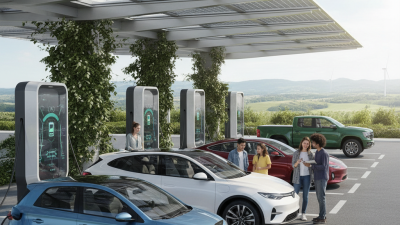
When choosing a fully electric car, charging options and infrastructure availability are crucial. Not every area has the same access to charging stations. Research your local charging network before making a decision. Some places offer fast chargers, while others may only have standard options. This can affect your daily convenience and range anxiety.

Tips: Consider installing a home charger if possible. It offers a seamless experience. You won't need to rely solely on public stations. Assess your daily driving needs as well. If you primarily drive short distances, a car with a smaller battery may suffice.

Another factor is the availability of charging stations on your routes. Use apps to find charging station locations. This helps in planning your trips effectively. Don’t ignore the potential waiting times at busy stations. Sometimes, it might not be easy to find a free spot. Adapting your schedule for charging can be a hassle. Evaluate how this might affect your lifestyle.

Comparison of Charging Times for Fully Electric Cars

Exploring Features, Safety Ratings, and Budget Considerations

When choosing a fully electric car, consider its features carefully. Battery range is a crucial detail. Many electric vehicles (EVs) now exceed 300 miles per charge, meeting most daily needs. A report by the U.S. Department of Energy states that the average American drives about 29 miles a day, making higher ranges more than adequate for most consumers.

Safety ratings should not be overlooked. According to the National Highway Traffic Safety Administration (NHTSA), the majority of EVs receive high safety scores due to their design and features. Look for models with advanced driver-assistance systems like automatic emergency braking and lane-keeping assist. These can reduce the risk of accidents.

Tips for selecting the right electric vehicle: Always review independent crash test ratings from organizations like NHTSA or IIHS. Estimate your home charging options, which can impact your daily routine. Finally, factor in total ownership costs, not just purchase price. Some EVs may have higher initial costs but offer savings in maintenance and fuel. However, reflect on your driving habits and budget constraints; sometimes, a less expensive model may better fit your lifestyle.