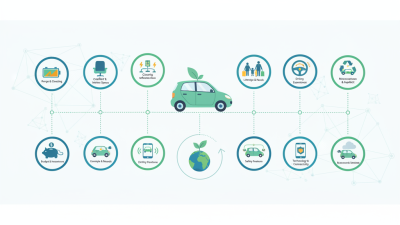
How to Choose the Best EV Cars for Your Needs?
The market for EV cars is rapidly growing. As of 2023, sales of electric vehicles have surged by over 50% compared to the previous year. More consumers are recognizing the benefits of cleaner, more efficient transportation. However, choosing the right EV can be overwhelming. With so many options available, buyers must consider various factors.
Range, charging time, and price are critical elements to evaluate. The average range of EV cars has improved significantly, with many models exceeding 300 miles on a single charge. Yet, potential buyers often overlook the importance of charging infrastructure in their area. According to industry reports, nearly 60% of EV owners face challenges finding convenient charging stations. This highlights the need to assess your local resources before committing to a purchase.
While electric vehicles promise sustainability, they are not without imperfections. Battery life, for example, can diminish over time, impacting the vehicle's performance. Some users report concerns about the resale value of EV cars. This creates a complex decision-making process. A careful evaluation of personal needs and external factors is essential to making an informed choice.

Understanding Your Driving Needs and Habits
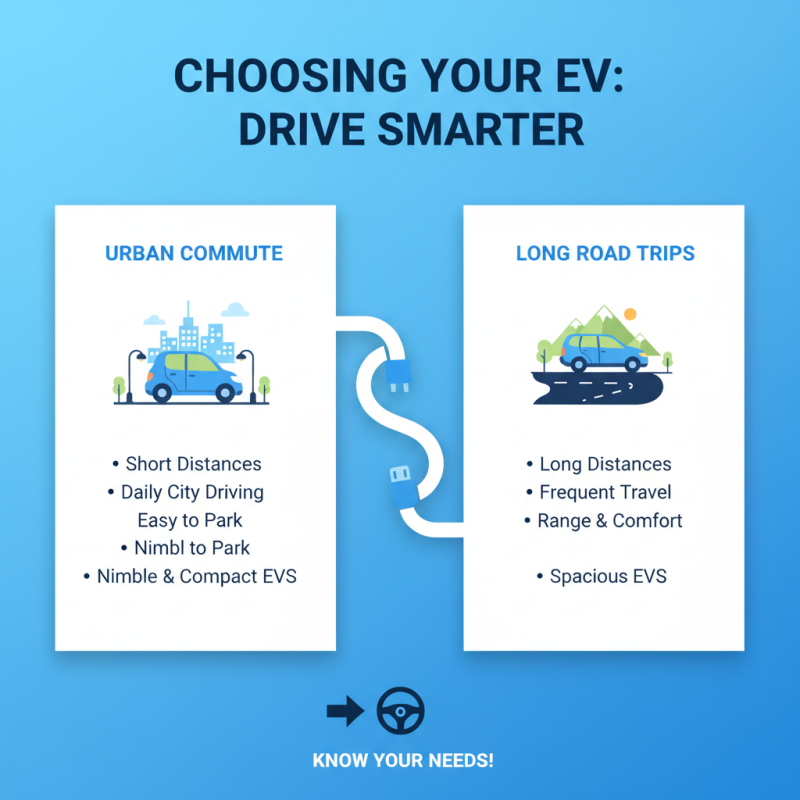
When choosing an EV car, it's crucial to understand your driving needs and habits. Do you mainly drive short distances or take long road trips? Knowing your daily commute helps in selecting the right model. If your trips are primarily within the city, a smaller, compact electric vehicle might be ideal. Many urban drivers prefer nimble cars that are easy to park and maneuver.
Tips: Consider your charging options. Do you have a home charger? If not, ensure easy access to charging stations. Analyze your charging habits. Do you prefer to charge overnight or during the day?
Think about your lifestyle. If you have a growing family, space becomes essential. Practicality matters, especially in the context of your routine. Reflecting on the number of passengers and cargo space can guide your choice. If you enjoy weekend getaways, battery range becomes a key factor.
Tips: Test drive multiple models to gauge comfort. The feel of a car can vary greatly. Don’t overlook features like safety ratings and tech amenities. Prioritize what truly matters in your daily life as you compare options.
Evaluating Range and Battery Life for EV Options
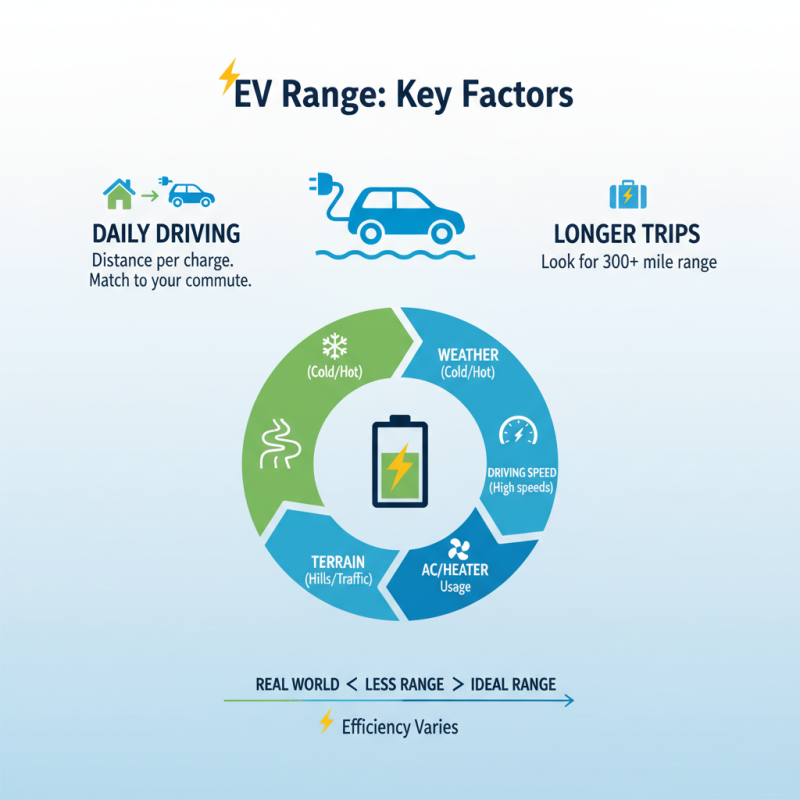
When choosing an electric vehicle (EV), range and battery life are key factors. The range is how far the car can go on a single charge. You should consider your daily driving distance. If you often make long trips, look for cars with a longer range. A model with a 300-mile range might seem ideal, but it's important to recognize that real-world conditions can reduce this. Weather, driving speed, and use of air conditioning all impact efficiency.
Battery life is equally important. Some batteries degrade over time, affecting range. Research the expected lifespan of the battery. Is it guaranteed for eight years or more? Ask yourself how this impacts your ownership experience. Some EVs have slower charging options, which can feel inconvenient. Fast charging can save time but may come with compromises.
Think about charging infrastructure in your area. Do you have reliable access to charging stations? If not, this can hinder your experience. Planning becomes crucial. Evaluate if home charging is a feasible option. If you live in an apartment, access might be limited. Balancing your needs with the available options requires careful thought and planning.
Identifying Key Features and Technology in EV Cars
When choosing an electric vehicle (EV), understanding key features is essential.
Battery capacity is one of the most important aspects.
A larger battery often translates to a longer range, allowing for more extended trips without anxiety.
Consider daily driving needs. If you only travel short distances, a smaller battery might suffice.
However, check the charging infrastructure in your area. Limited charging stations can become a hassle.
Technology also plays a significant role in your choice. Look for advanced safety features like
automatic emergency braking or
lane-keeping assist. These can provide added peace of mind.
Infotainment systems are equally important.
Screens should be user-friendly, with seamless connectivity for smartphones.
By prioritizing these features, you can ensure your EV meets your lifestyle needs.
Lastly, consider the charging options at home.
Installing a level 2 charger can improve convenience.
However, this might not be feasible for everyone.
Think about how often you can charge overnight or at work. Reflect on these aspects to make an informed decision.
Exploring these technologies can lead to a more satisfying EV experience.
Comparing Costs and Incentives for Buying EVs
When considering an electric vehicle (EV), cost is a significant factor. The initial price of EVs can be higher than traditional cars. However, many governments offer incentives. These can include tax credits, rebates, and grants. Such incentives can substantially lower the overall cost. Research the available incentives in your area. Each region may offer different support for EV buyers.
Charging costs also matter. Electricity prices vary widely. Evaluating your local rates can help. Make sure to check the impact of charging at home versus using public chargers. Some public charging stations also offer free charging. Weighing these costs against fuel prices for gasoline vehicles can be revealing. Sometimes, the long-term savings from reduced fuel costs make up for the higher initial expense.
It’s important to consider maintenance costs as well. EVs generally have fewer moving parts. This can sometimes lead to lower maintenance expenses. Still, battery replacement can be costly. Look into warranties and battery life. Each manufacturer may have different guidelines. Reflect on your driving habits too. If you plan for long road trips, an EV might not be the best fit. Consider your daily needs and calculate potential costs carefully.
Electric Vehicle (EV) Cost Comparison
This chart compares the average costs of different types of electric vehicles, including upfront costs, maintenance costs, and potential incentives. Understanding these dimensions can help you choose the best EV for your needs.
Exploring Charging Infrastructure and Maintenance Requirements
When considering the best electric vehicle (EV) for your needs, charging infrastructure plays a crucial role. In 2023, there are over 140,000 public charging stations in the U.S., with the number steadily increasing. However, accessibility remains a concern, especially in rural areas. Many EV owners express frustration over inconsistent network coverage. This disparity can impact your daily commute or road trips.
Maintenance requirements for EVs can differ significantly from traditional vehicles. According to industry reports, EVs have 30% fewer moving parts. However, they do require regular software updates and battery health checks. Battery life typically spans 8 to 15 years, yet replacements can be costly. A study showed that, while EV ownership costs are generally lower, potential maintenance issues could arise after the warranty period.
Investing in an EV means weighing these aspects carefully. Despite their eco-friendly appeal, they bring unique challenges. Exploring local charging options and understanding long-term maintenance can help you make a more informed decision. The reality is, not all EVs will be suited for every driver’s lifestyle.
How to Choose the Best EV Cars for Your Needs? - Exploring Charging Infrastructure and Maintenance Requirements
| Model |
Range (miles) |
Charging Time (hrs) |
Battery Capacity (kWh) |
Maintenance Cost (per year) |
Availability of Fast Charging |
| Model A |
250 |
8 |
60 |
$500 |
Yes |
| Model B |
300 |
6 |
75 |
$450 |
Yes |
| Model C |
220 |
9 |
50 |
$600 |
No |
| Model D |
350 |
4 |
80 |
$400 |
Yes |