How to Choose the Best Electric Car for Your Needs and Budget
As the electric vehicle (EV) market continues to expand, choosing the best electric car for your needs and budget can seem daunting. According to a recent report by the International Energy Agency, global electric car sales reached a staggering 6.6 million units in 2021, representing a 108% increase compared to the previous year. This exponential growth indicates not only a shift in consumer preference but also a broadening of available options, making it crucial for potential buyers to navigate this evolving landscape effectively.
When selecting an electric car, factors such as range, charging infrastructure, and total cost of ownership play pivotal roles. The U.S. Department of Energy highlights that the average electric vehicle can save drivers nearly $800 annually on fuel and offer significant savings on maintenance compared to traditional gasoline vehicles. Additionally, technological advancements and government incentives have made electric cars increasingly accessible, emphasizing the importance of understanding the features that align with individual needs and financial constraints.
Ultimately, the decision-making process is characterized by a blend of personal priorities and market dynamics. With the right information and considerations, buyers can confidently choose an electric car that not only fits their lifestyle but also supports a sustainable future.
Understanding Your Driving Needs and Habits
When selecting the best electric car for your needs, it’s crucial to understand your driving habits and daily requirements. According to a report by the International Energy Agency, the average person drives about 30 miles a day. If your daily commute falls within this range, a standard electric vehicle (EV) with a 150-250 mile range on a single charge will likely suffice. However, if your lifestyle demands longer trips or frequent long-distance travel, you may want to consider models with a greater range or those supporting fast-charging capabilities to ensure convenience on the road.
**Tips:** Assess your daily mileage and consider how often you take longer journeys. This will help in determining the range you require and can aid in narrowing down your options effectively.
Moreover, think about charging accessibility. A study from the U.S. Department of Energy indicated that around 80% of EV charging occurs at home, so having a home charging solution could greatly influence your choice. If home charging is not feasible, consider public charging infrastructure in your area. Ensure there are sufficient charging stations along your typical routes, especially if you frequently travel outside your local region.
**Tips:** Use apps or websites that map out charging locations along your route, which can give you peace of mind and assist in making informed decisions about your vehicle choice.
Electric Car Range Comparison
This bar chart shows the estimated driving range of different categories of electric cars based on budget. As illustrated, budget cars typically offer a range of around 150 miles, while mid-range options provide about 250 miles, and luxury models can achieve up to 350 miles on a single charge.
Evaluating Electric Car Range and Charging Options
When choosing the best electric car to meet your needs and budget, evaluating the electric car's range and charging options is crucial. The range of an electric vehicle (EV) determines how far you can drive on a single charge, affecting your daily commuting and road trip plans. Most modern electric cars offer a variety of ranges, so consider your typical driving distance and choose a vehicle that exceeds that range to prevent "range anxiety." It’s particularly important to know that real-world conditions such as weather and driving habits can impact an EV's range.
When it comes to charging options, think about where you will charge your electric vehicle most often. If you have a garage or designated parking spot, installing a home charging station might be a practical choice. Alternatively, look into public charging networks available in your area, including fast chargers for quicker top-offs during long trips. Understanding the difference between Level 1 and Level 2 chargers, as well as DC fast charging, is also important in determining how quickly you can power up your EV.
**Tips:** Always review the EV's manufacturer's specifications on charging times and range under optimal conditions. Investigating local charging infrastructure can reveal incentives or programs that make owning an electric car more convenient. Additionally, assessing your lifestyle, including how often you take long trips versus daily commutes, can help you make a smarter choice when selecting an electric vehicle.
Comparing Costs: Initial Investment vs. Long-term Savings
When considering the financial implications of purchasing an electric car, it's essential to weigh the initial investment against long-term savings. The upfront cost of an electric vehicle (EV) can be higher than that of its gasoline counterpart, mainly due to the advanced battery technology and features. However, potential buyers should look beyond just the purchase price. Incentives such as tax credits or rebates may significantly reduce the initial outlay, making it more feasible for budget-conscious consumers.
In addition to the initial costs, the long-term savings that electric cars offer can often outweigh the higher purchase price. EVs typically have lower running costs due to reduced fuel expenses, as electricity is generally cheaper than gasoline. Moreover, maintenance costs for electric vehicles are usually less since they have fewer moving parts and do not require oil changes. As fuel prices fluctuate and environmental concerns grow, consumers may find that investing in an electric car not only meets their budgetary needs but also provides long-term financial benefits. By carefully assessing both the initial costs and the potential savings over time, buyers can make an informed decision that aligns with their needs.
Assessing Vehicle Features: Performance, Comfort, and Technology
When selecting the best electric car for your needs and budget, it's crucial to assess vehicle features such as performance, comfort, and technology. Performance is often a primary consideration, as it relates to how well the car accelerates, handles, and integrates with various terrains. Look for specifications like horsepower, torque, and battery range, which can significantly influence your driving experience. A vehicle with quick acceleration and solid handling will provide a more enjoyable ride, especially in urban environments.
Comfort is another essential attribute to consider, especially if you plan on spending long hours in your electric vehicle. Pay attention to seating, interior space, and noise levels. A spacious interior with ergonomically designed seats can enhance your driving experience exponentially. Additionally, check for climate control features, which can ensure a pleasant environment in varying weather conditions.
Tips: When testing potential vehicles, take them for a test drive to gauge comfort levels firsthand. Bring along family or friends to see how well the backseat accommodates your needs. Also, consider the technology features, such as infotainment systems, navigation assist, and driver assistance tools, which can enhance your overall enjoyment and safety on the road. It's essential to assess how these features interact with your lifestyle—whether you prioritize advanced connectivity or intuitive user interfaces.
How to Choose the Best Electric Car for Your Needs and Budget - Assessing Vehicle Features: Performance, Comfort, and Technology
| Feature |
Car A |
Car B |
Car C |
| Range (miles) |
250 |
300 |
280 |
| 0-60 mph (seconds) |
6.0 |
5.5 |
6.2 |
| Cargo Space (cubic feet) |
15.0 |
12.8 |
14.6 |
| Safety Rating |
5 stars |
5 stars |
4 stars |
| Starting Price ($) |
35,000 |
40,000 |
37,500 |
Researching Incentives and Financing for Electric Cars
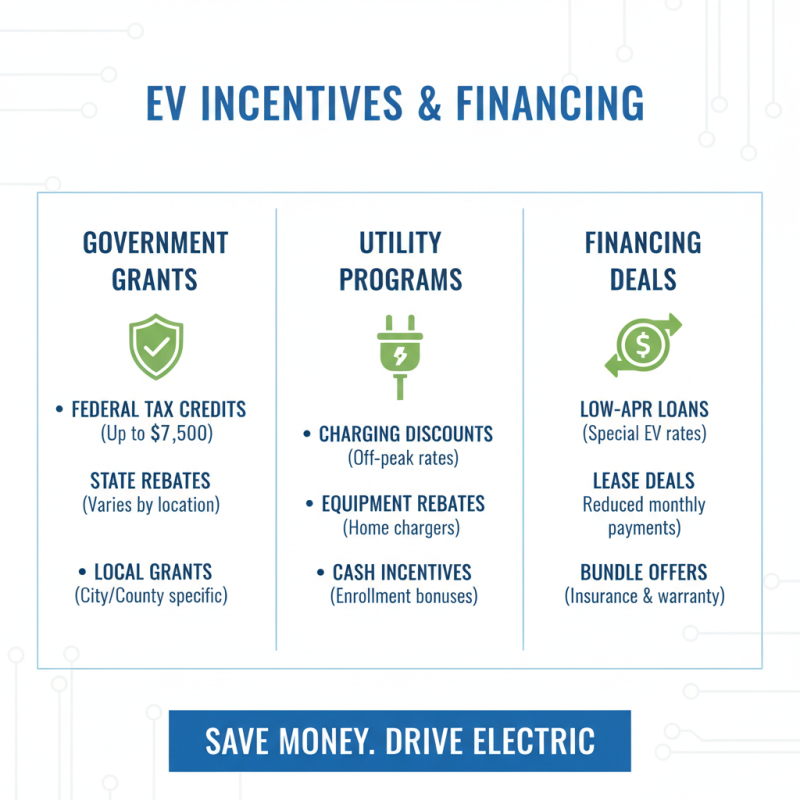
When considering the purchase of an electric car, understanding the various incentives and financing options available can significantly impact your decision. Many governments and local authorities offer tax credits, rebates, or grants that can lower the overall cost of buying an electric vehicle. These incentives often vary by region, so it is essential to research what is available in your area. Points to consider include both federal and state-level incentives, which can sometimes be stacked together for maximum benefit. Additionally, check for any local utility offers that may provide further financial advantages, such as reduced rates for charging or additional cash incentives.
Financing an electric vehicle can also be a different experience compared to traditional cars. Some financial institutions offer special loans or financing programs tailored specifically for electric vehicles, which may come with lower interest rates or longer repayment terms. It’s advisable to shop around and compare different financing options, including leasing versus buying, as this can impact your monthly payments and long-term financial commitments. Furthermore, consider the total cost of ownership, which includes not just the purchase price but also factors like maintenance, insurance, and fuel costs. Taking the time to evaluate these financial aspects can help ensure you choose an electric car that fits both your needs and your budget.