How to Choose the Best Battery Car for Your Needs?
Choosing the right Battery Car for your needs can be challenging. The electric vehicle market is growing rapidly, with more than 8 million battery electric vehicles sold globally in 2022. Reports show that the demand for battery cars is expected to increase significantly, projected to reach over 50 million units by 2030.
When selecting a battery car, consider factors like range, charging options, and price. The average range of new battery cars has improved to about 260 miles per charge. However, not all models deliver the same efficiency or performance. Some drivers feel overwhelmed by the options. It’s crucial to evaluate your lifestyle and preferences before making a choice.
Even with advancements, battery technology poses challenges. Many drivers are concerned about charging infrastructure, availability, and cost. A deeper understanding of your needs can help avoid common pitfalls. The right battery car can enhance your daily commute and reduce carbon footprint, but it requires careful consideration.

Understanding Your Driving Needs and Lifestyle
Understanding your driving needs is crucial when choosing a battery car. Consider how often you drive and the distances you cover. If you have a daily commute of 20 miles, a standard range vehicle might suit you. But if weekend road trips are your thing, look for a model with a longer battery range. Think about charging options too. Do you have access to a charging station at home or work?
Lifestyle plays a significant role as well. If you often travel with family or friends, ensure there’s enough space. A compact car might be ideal for city driving but could feel cramped on long journeys. Consider your activities too. If you enjoy outdoor adventures, a vehicle with ample cargo space for gear is essential.
Don’t forget about driving patterns. Are you mostly in stop-and-go traffic or open highways? Some electric cars perform better in city settings than on highways. Reflect on how you use your car. A battery car can fit seamlessly into your lifestyle if it aligns with your needs. But it requires careful thought and consideration.
Battery Electric Vehicle Range vs. Charging Time
Evaluating Battery Range and Charging Options
When considering the best battery car for your needs, evaluating the battery range and charging options is crucial. According to industry reports, the average electric vehicle (EV) can travel between 150 to 370 miles on a single charge. This range significantly influences your daily commutes and long-distance travel plans. Remember to analyze your driving habits. If you typically drive less than 40 miles a day, a model with a shorter range may suffice.
Charging options also play a vital role. Level 1 chargers, which use standard household outlets, take longer but are convenient for home use. On the other hand, Level 2 chargers provide faster charging, taking around 4-8 hours to fully charge many EVs. Public charging stations equipped with DC fast chargers can recharge EVs to 80% in under 30 minutes. However, the availability of these stations varies greatly by region, so check local infrastructure.
Tips: Test different charging options before making a decision. Some cars come with home charging equipment, which is a bonus. Always look for reliable charging networks in your area. Research battery degradation reports too. Certain models may lose capacity faster than others over time. This can affect your long-term driving experience and everyday usability.
Analyzing Vehicle Size and Interior Space Requirements
Choosing the right battery car involves understanding your space needs. Vehicle size can significantly impact your driving experience. Think about your daily routine. Do you often travel alone or with family? If you have kids, you’ll need extra room for child seats and gear.
Interior space also affects comfort. A compact model might feel cramped on long trips. Consider the legroom and headspace in the front and back seats. An open trunk can make daily errands easier. You may want to fit groceries, sports gear, or luggage for road trips.
What happens if you overlook space needs? You may find yourself frustrated on long drives. Squeezing into a small cabin can be uncomfortable. Too little space can lead to stress and dissatisfaction. So, take your time in this decision. Don’t rush it. Reflect on how much space you really need before making a choice.
Comparing Costs: Purchase Price vs. Long-term Savings
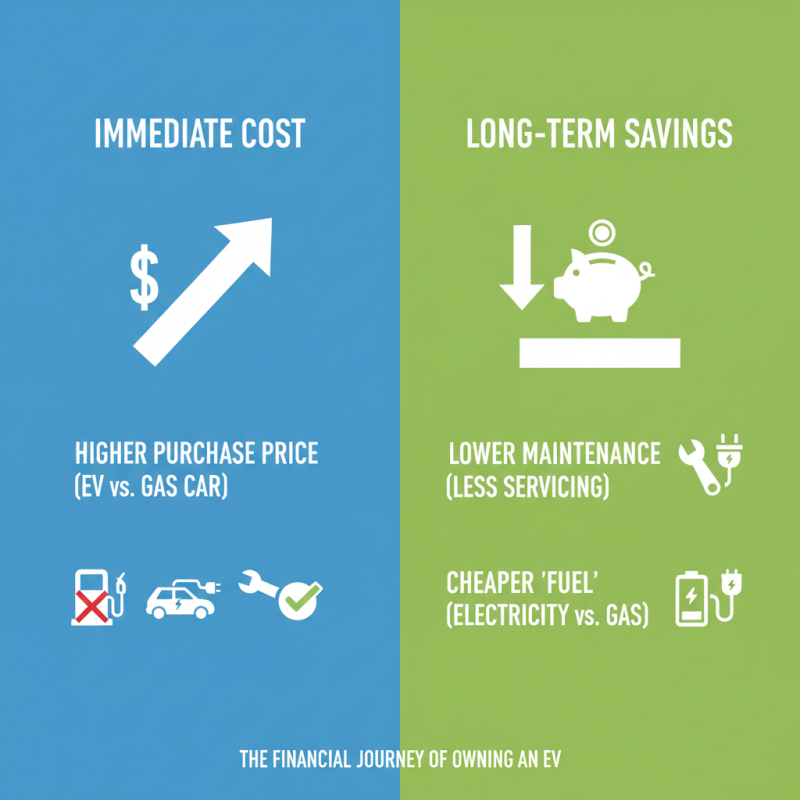
When considering a battery car, it’s essential to weigh immediate costs against long-term savings. The purchase price of an electric vehicle (EV) can be high compared to traditional cars. However, savings can accumulate over time. Think about maintenance costs. EVs often require less frequent servicing. This can translate into significant savings.
Charging costs also play a crucial role. Home charging can be cheaper than spending on gas. Some regions offer incentives for EV owners, reducing overall expenses. However, charging infrastructure is uneven. In some areas, access to charging stations may be a challenge. This could lead to inconveniences.
Resale value is another factor. Some battery cars depreciate slower than gas vehicles. Research shows this can lead to better resale opportunities. Yet, the market varies. Not all models will hold their value. Consider the total cost of ownership, not just the sticker price. It’s about balance. Evaluate your driving habits, charging options, and financial situation before deciding. The best choice often requires careful thinking and planning.
Investigating Available Brands and Models with Good Reviews
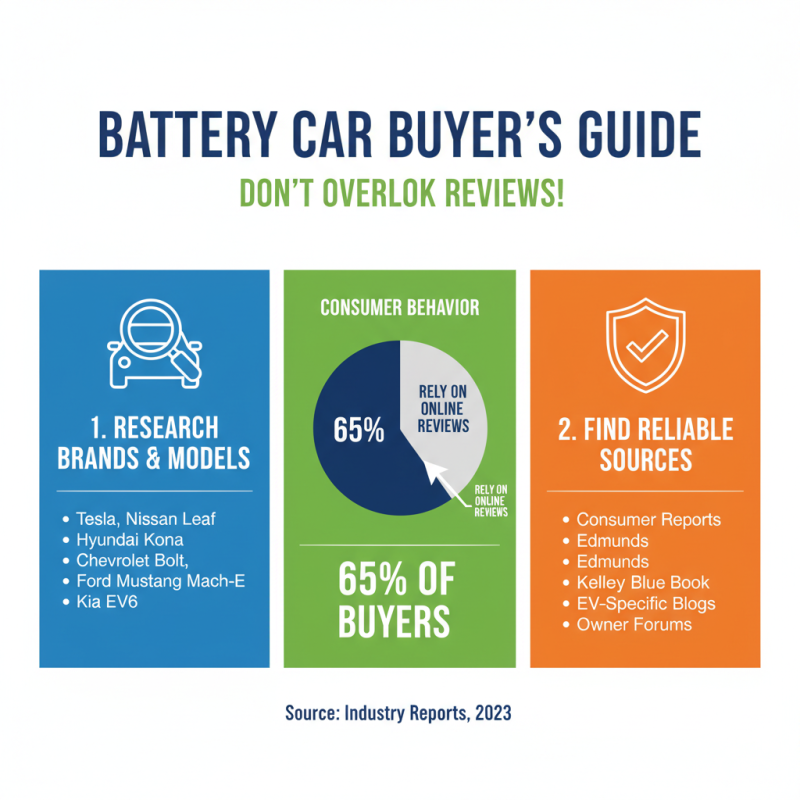
When considering a battery car, it’s crucial to explore various brands and models. Many consumers overlook reviews. According to recent industry reports, approximately 65% of buyers rely on online reviews to inform their decisions. This indicates the importance of recognizing dependable sources.
Popular models often receive high ratings for reliability and performance. However, it's important to note that customer satisfaction can vary. For instance, some users report issues with charging times or battery longevity. This highlights the need for thorough research.
Not every battery car is suited for every driver. Different lifestyles require different features. For example, urban drivers may prioritize compact models, while families might seek spacious options. Take time to read user experiences, focusing on aspects like safety, comfort, and maintenance. Being aware of common concerns can lead to a better choice.