How to Choose the Best All Electric SUV for Your Needs?
Choosing the right All Electric SUV can be overwhelming. With numerous options available, it’s crucial to understand your own needs. Each model offers distinct features, performance levels, and pricing.
Begin by assessing your lifestyle. Consider your daily commute, family size, and cargo space requirements. Think about how far you typically drive and whether charging infrastructure is convenient for you. It’s easy to get drawn in by flashy designs, but practicality matters too.
Some buyers overlook essential aspects. Range anxiety can be an issue for many. Be sure to evaluate battery life and charging times. Additionally, compare safety ratings and technology features. An All Electric SUV should not only look good but also meet your safety and comfort needs. Reflect on what will truly enhance your driving experience.
Factors to Consider When Choosing an All Electric SUV for Your Needs
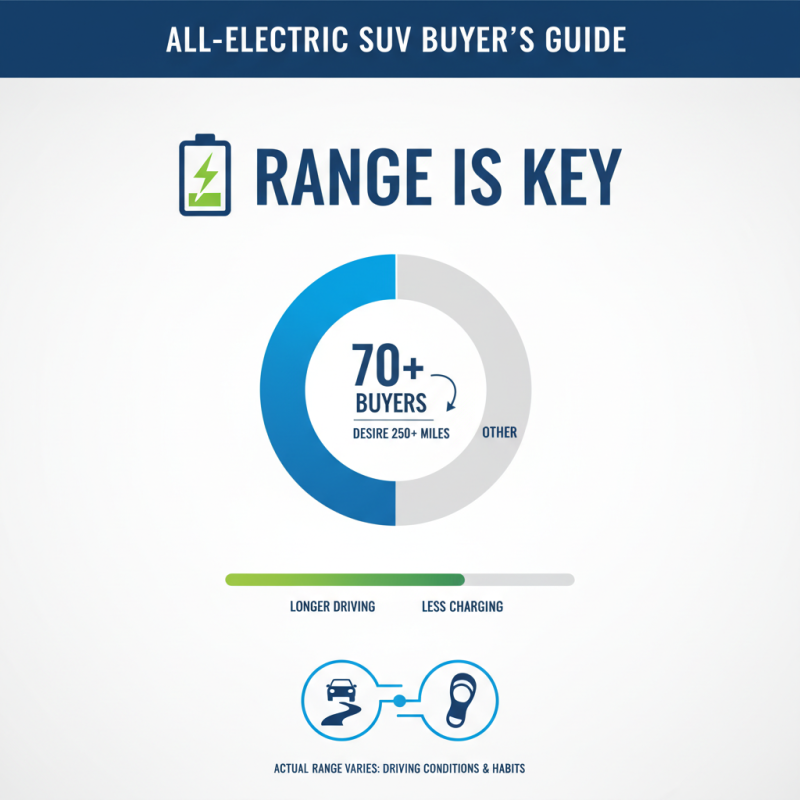
When choosing an all-electric SUV, several factors come into play. Battery range is crucial. A survey indicates that over 70% of buyers prioritize a range exceeding 250 miles. This means you can drive longer without frequent charging. But remember, actual range can vary significantly based on driving conditions and habits.
Charging options are another key consideration. Public charging stations are growing, but access can be inconsistent. Reports suggest that over 40% of consumers express concerns about charging infrastructure. Home charging is convenient but requires installation. The cost can add up, especially if upgrades are needed.
Space and comfort matter too. Look for models with ample cargo capacity and flexible seating. Many buyers overlook interior layout and storage. Data show that families often prioritize these features. However, some manufacturers may skimp on comfort for a lower price tag. This trade-off can lead to dissatisfaction over time. Addressing these reflections is vital to avoid buyer's remorse.
Comparison of Driving Range and Battery Capacity in Electric SUVs
When choosing an all-electric SUV, battery capacity and driving range are critical factors. Battery capacity, measured in kilowatt-hours (kWh), directly influences how far you can drive on a single charge. Most electric SUVs available today offer battery capacities ranging from 50 kWh to over 100 kWh. Generally, a larger capacity means a higher driving range. For instance, the average range of electric SUVs is around 200 to 300 miles. However, some newer models can exceed 400 miles, providing peace of mind for longer trips.
Tip: Check the real-world driving range. Laboratory tests often show favorable figures. Real-world conditions, such as temperature and driving habits, substantially affect performance. Research reports suggest that colder climates can reduce range by up to 40%. Thus, consider local climate when choosing your vehicle.
Battery degradation is also a concern. It typically varies based on factors like charging practices and temperature. Reports indicate that most batteries retain about 70-80% of their capacity even after several years. Yet, this can vary significantly. Some owners experience faster degradation, often due to rapid charging. Consistent use of fast chargers can degrade battery health over time.
Tip: Opt for models with good warranty coverage on the battery. A solid warranty can provide assurance against unexpected costs. Remember that while battery capacity is crucial, it’s also essential to balance cost, features, and personal driving needs. Make an informed choice that fits your lifestyle.
Understanding Advanced Safety Features in Electric SUVs
When selecting an all-electric SUV, safety features are paramount. Advanced safety technologies greatly enhance driver and passenger protection. According to industry reports, electric vehicles equipped with such features have up to 30% fewer accidents than those without. This statistic highlights the importance of prioritizing safety during your selection process.
Look for SUVs that include adaptive cruise control and lane-keeping assist. These features monitor traffic conditions and help maintain safe distances. Many models also come with automatic emergency braking and blind-spot monitoring, which can prevent collisions. Evaluating these technologies can make a significant difference in overall safety.
Tips: Always check crash test ratings from credible sources. This information provides insight into how well the vehicle performs in emergency situations. Do not overlook basic features like traction control and stability systems. Verify if the SUV has a reliable warranty for these components. A good warranty assures you of long-term safety without additional expenses.
How to Choose the Best All Electric SUV for Your Needs? - Understanding Advanced Safety Features in Electric SUVs
| Model |
Safety Rating |
Advanced Safety Features |
Range (miles) |
Price ($) |
| Model A |
5-star |
Automatic Emergency Braking, Lane Keep Assist, Blind Spot Monitoring |
300 |
45,000 |
| Model B |
5-star |
Adaptive Cruise Control, Collision Detection, Rear Cross Traffic Alert |
250 |
50,000 |
| Model C |
4-star |
Traffic Jam Assist, Forward Collision Warning, 360-degree Camera |
280 |
40,000 |
| Model D |
5-star |
Park Assist, Emergency Braking, Vehicle Stability Control |
320 |
55,000 |
| Model E |
4-star |
Lane Departure Warning, Emergency Service Notification, High Beam Assist |
240 |
38,000 |
Evaluating Charging Options and Infrastructure Availability
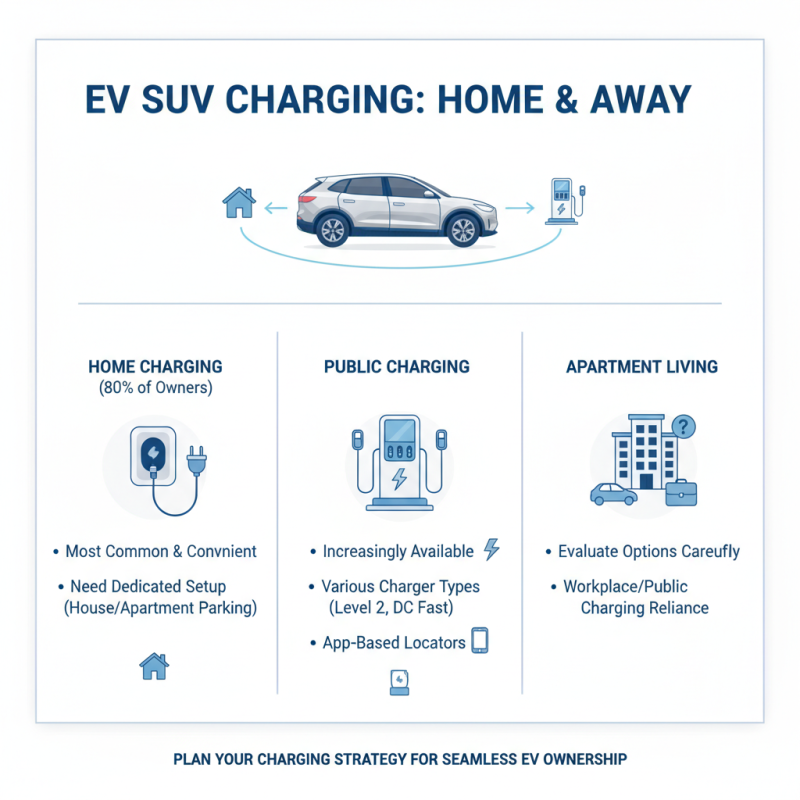
When selecting the best all-electric SUV, evaluating charging options and infrastructure is crucial. With the increasing popularity of electric vehicles (EVs), access to charging stations is more important than ever. A recent industry report indicated that over 80% of EV owners charge their vehicles at home. This highlights the need for a convenient home charging setup. If you live in an apartment without dedicated parking, consider your options carefully.
Public charging stations vary by region. Urban areas typically have better infrastructure, with rapid chargers available at convenient locations. According to the U.S. Department of Energy, there are approximately 50,000 charging stations across the country. However, rural locations may lack sufficient charging options. Before finalizing your choice, check charging station maps. Proximity and availability can significantly impact your driving experience.
**Tips:** Make a charging plan tailored to your routine. Consider a home charger installation if possible. Also, research local charging networks and their reliability. This proactive approach can save you time and anxiety on the road. Battery range affects your travel plans. Know your vehicle's range and plan accordingly. If you frequently travel long distances, verify the location and functionality of charging stations along your route.
Assessing Budget and Total Cost of Ownership for Electric SUVs
When selecting an all-electric SUV, your budget is crucial. Consider not only the initial price but also other costs. Charging expenses may vary based on your home electricity rates. It's wise to evaluate how often you will charge the vehicle. This affects your overall spending over time.
Total cost of ownership includes insurance, maintenance, and potential repairs. Electric SUVs usually have fewer moving parts. This typically results in lower maintenance costs. However, battery replacements can be expensive. Be sure to factor this into your calculations. Look into warranties covering the battery and other essential components.
Some may overlook tax incentives. These can lower your purchase price significantly. However, not all buyers will qualify. It’s essential to do your research on local incentives. An electric SUV may also have a higher resale value. But how much can vary widely. Reflect on how long you plan to keep the vehicle. This will influence whether it's a wise investment.