2026 How to Choose the Best SUV Electric Cars for Your Needs?
The SUV electric cars market is rapidly evolving. According to a recent report by BloombergNEF, electric vehicle sales are set to reach 56 million by 2040. This shift presents a unique opportunity for buyers to consider electric SUVs. However, choosing the right model can be complex.
Many consumers need clarity on efficiency, range, and features. A study by the International Council on Clean Transportation highlighted that the average range of electric SUVs has improved significantly, with some models now exceeding 300 miles on a single charge. This increase addresses concerns about “range anxiety,” a common issueamong potential buyers.
Despite the advancements, potential buyers should remain cautious. Some electric SUVs can be pricey, and availability varies by region. Additionally, not every model offers the same level of performance or charging infrastructure. Thus, understanding individual needs is crucial in navigating this growing market.
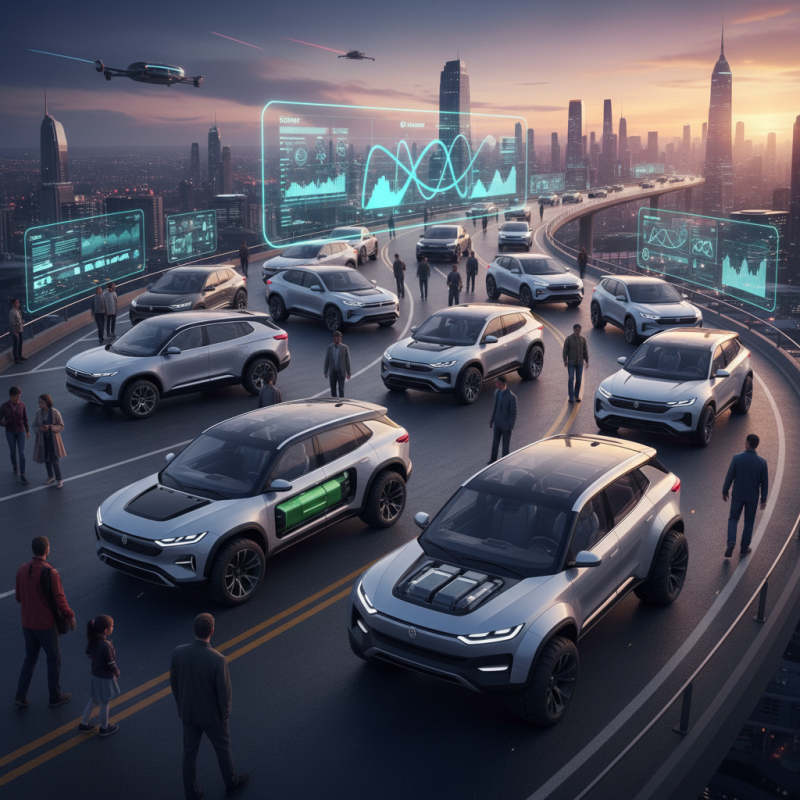
Understanding the Electric SUV Market in 2026: Key Trends and Insights
In 2026, the electric SUV market is evolving rapidly. Many consumers seek versatile options that combine sustainability with practicality. High demand for eco-friendly vehicles drives innovation. Yet, understanding consumer needs remains a challenge. Buyers must consider various factors such as range, charging infrastructure, and technology.
Key trends highlight improvements in battery efficiency. Longer ranges are essential for everyday use. Many models now exceed 300 miles, making long trips feasible. However, charging availability can be inconsistent. Addressing these gaps is crucial for wider adoption. Some regions offer robust support, while others lag behind. This disparity influences buyer decisions significantly.
When evaluating electric SUVs, think beyond initial costs. Maintenance and energy savings play vital roles. Some vehicles may have higher upfront prices but provide long-term savings. Moreover, technology integration is critical. Infotainment systems and driver-assist features enhance the driving experience. Balancing these elements can feel overwhelming but is essential in making informed choices.
Evaluating Range and Charging Infrastructure for Electric SUVs
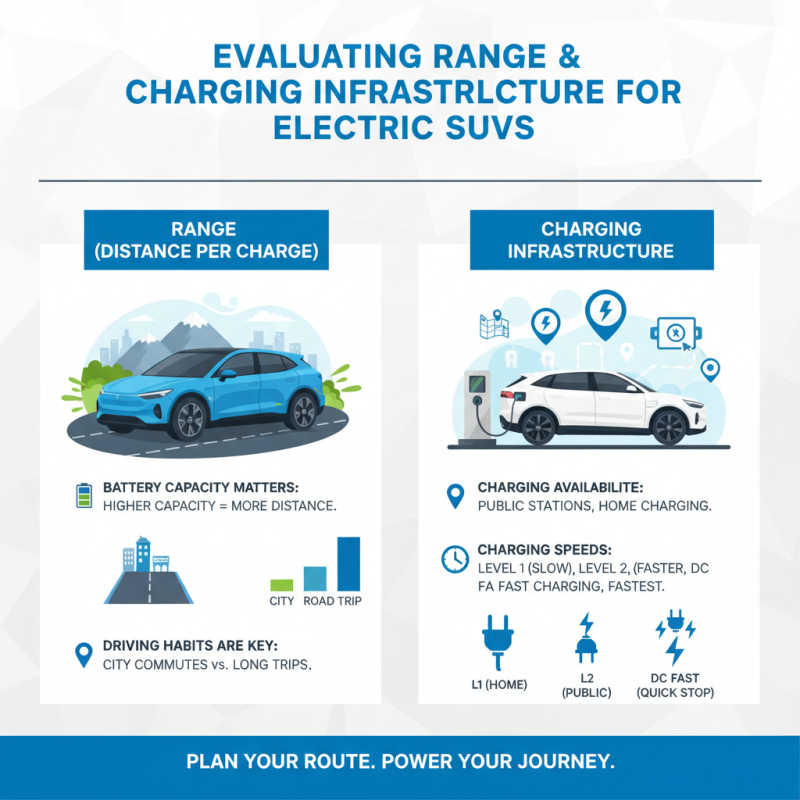
When evaluating electric SUVs, range and charging infrastructure are critical. Understanding the distance you can travel on a single charge is essential. Most electric SUVs offer varying ranges based on battery capacity. A higher range means less frequent charging stops. However, consider your actual driving habits. What works for short city commutes may not suffice for long road trips.
Charging infrastructure is another vital aspect. Look for areas with abundant charging stations. Fast chargers can refill batteries quickly, minimizing downtime. Evaluate the availability of charging options in your regular locations, such as home, work, and along your usual routes. A reliable charging network expands your options.
Tips for selecting your electric SUV include assessing your daily range needs. If you often travel long distances, choose a model with a longer range. Pay attention to the charging speeds available in your area. Are they fast? If charging is a hassle, even the best SUV won't fit your lifestyle. Always check user reviews and real-world experiences; they provide perspectives you may overlook when comparing specifications alone.
Comparing Performance Metrics: Power, Acceleration, and Handling of EVs
When considering an electric SUV, performance metrics play a crucial role. Power is essential; it determines how quickly you can respond on the road. Many electric SUVs offer impressive torque, resulting in quick acceleration. This feature enhances overall driving enjoyment, especially during overtaking.
Acceleration is another key factor. Electric vehicles can often reach higher speeds faster than traditional gasoline vehicles. Many models can go from zero to sixty in just a few seconds. However, not all electric SUVs are created equal. Some may struggle with consistency in acceleration under heavy loads or during steep inclines.
Handling of EVs also varies significantly. While many electric SUVs provide excellent stability due to a low center of gravity, some models may feel heavier in turns. This can affect driver confidence. Choosing the right model means understanding how these performance metrics align with your driving style and needs. Consider your environment, driving habits, and the types of journeys you frequently take.
Performance Metrics of Popular Electric SUVs
Assessing Safety Ratings and Features of Top Electric SUVs
When evaluating electric SUVs, safety ratings are paramount. According to the Insurance Institute for Highway Safety (IIHS), top models often score high in crash tests. Look for vehicles that earned a “Top Safety Pick” designation. These ratings reflect how well an SUV can protect its occupants in various situations. Features like automatic emergency braking and lane-keeping assist further enhance safety.
Tips: Be sure to read the latest safety reports. They provide insights into each SUV’s performance. Reviews from independent organizations can highlight both strengths and weaknesses.
Consider how safety features integrate into your lifestyle. For families, ample space and child seat accommodation are essential. Notice how visibility and driver assistance technologies perform in real-world scenarios. A safe vehicle isn’t just about crash tests; it's about how it holds up every day.
Evaluating safety doesn’t end with numbers. You need to understand the implications of safety technologies. They can offer comfort but may also lead to over-reliance on automation. Ensuring safe driving is a shared responsibility between the driver and the vehicle. Explore ongoing safety recalls and customer feedback to stay informed.
2026 How to Choose the Best SUV Electric Cars for Your Needs?
| Model |
Range (miles) |
Safety Rating (NHTSA) |
Cargo Space (cu ft) |
Starting Price ($) |
| Electric SUV A |
300 |
5-Star |
30 |
45,000 |
| Electric SUV B |
250 |
4-Star |
28 |
40,000 |
| Electric SUV C |
320 |
5-Star |
32 |
50,000 |
| Electric SUV D |
230 |
4-Star |
25 |
38,000 |
Cost of Ownership: Pricing, Incentives, and Maintenance for Electric Vehicles
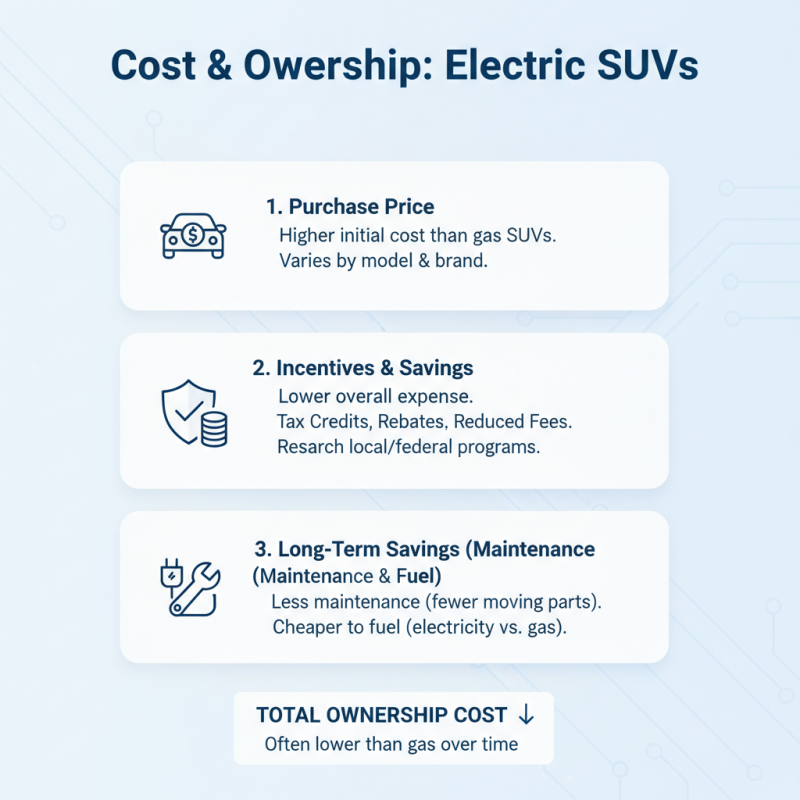
When considering the cost of ownership for electric SUVs, pricing is a major factor. The initial purchase price of electric vehicles (EVs) can be higher than their gas counterparts. However, many regions offer incentives that can lower the overall expense. These incentives may include tax credits, rebates, or reductions in registration fees. Research local and federal programs to maximize savings.
Maintenance costs for electric SUVs are generally lower. Electric engines have fewer moving parts, which can mean less wear and tear over time. This translates to fewer repairs. However, battery replacement and charging system maintenance should be factored into the cost over the vehicle’s lifespan.
Tips: Always calculate potential fuel savings. Compare the price per mile with gas vehicles. Also, consider the cost of home charging installation. While it may seem daunting, it can provide a convenient and cost-effective solution. Reflect on your driving habits as well. If you often travel long distances, evaluate the impact of charging infrastructure in your area.