How to Choose the Best Fully Electric Cars for Your Needs?
In today's eco-conscious world, choosing the right fully electric car can be overwhelming. Industry expert Sarah Johnson, an automotive analyst, states, "The future of transportation hinges on our decisions today." With so many options available, it's vital to understand your specific needs.
Fully electric cars have advanced remarkably in recent years. They offer zero tailpipe emissions and lower running costs. However, evaluating aspects like range, charging infrastructure, and space is crucial. What works for one person may not work for another. Some may prioritize size, while others focus on performance.
Yet, there are challenges. Range anxiety remains a concern for many. Charging stations might not be abundant in certain regions. Before making a decision, reflect on how you'll use your vehicle. Understanding personal requirements will lead to a more satisfying choice in fully electric cars.
Understanding Fully Electric Cars: Key Features and Benefits
Fully electric cars have gained popularity for good reasons. They offer benefits like
lower running costs and reduced emissions. Many people appreciate the quiet and smooth ride.
However, potential buyers should carefully consider their needs.
One key feature to examine is the range of the vehicle.
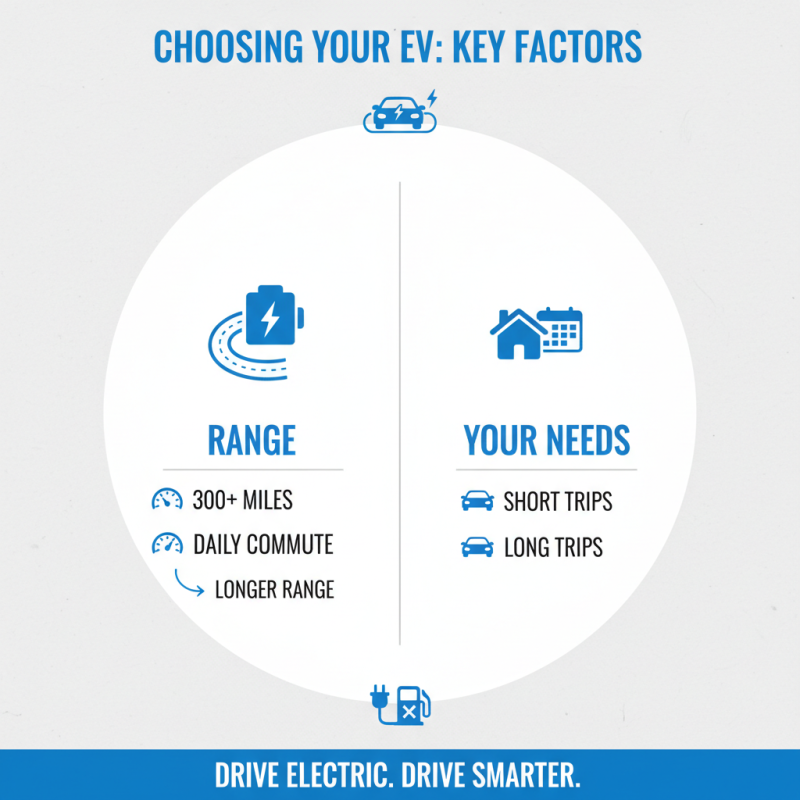
Some models can travel over 300 miles on a single charge, while others might only go 100 miles.
Think about your daily driving habits. How far do you typically go? Also,
charging options are crucial. Home charging sets the convenience bar high.
But what if you travel often or lack access to a charging station?
Battery life and maintenance also play significant roles. Batteries degrade over time, affecting performance.
Research indicates that battery replacements can be costly.
Additionally, consider the available technology and safety features.
Some cars have advanced driver-assist systems. However, are they reliable?
Understanding your priorities can help narrow down your choices.
Evaluating Your Driving Needs: Range, Comfort, and Performance
When evaluating your driving needs for fully electric cars, range is critical. The average range of electric vehicles (EVs) has improved significantly. Reports show many models now exceed 250 miles on a single charge. This range is vital for daily commutes and road trips alike. However, charging infrastructure may still limit your choices. In many areas, charging stations are sparse, making it challenging to travel long distances without planning.
Comfort is another essential factor. Consider the seating capacity and ergonomics of the vehicle. A study revealed that 70% of drivers prioritize comfort levels when choosing an EV. Many models now offer spacious interiors and advanced climate control systems. Notably, factors like noise insulation and ride smoothness can enhance your driving experience. However, some electric cars may compromise trunk space for battery size, which could impact lifestyle needs.
Performance should not be overlooked. Many fully electric models deliver rapid acceleration and high torque. This creates a dynamic driving experience. However, some drivers may find the handling different from traditional vehicles. It's a shift that requires time to adjust. Additionally, while some EVs are designed for sporty performance, others focus on efficiency, which might not suit every driver's style. Balancing these elements is crucial for making an informed choice.
Best Fully Electric Cars Compared by Key Features
This chart compares fully electric cars based on their range, comfort, and performance. The data reflects average metrics in these categories to help you evaluate which electric vehicle may fit your driving needs best.
Budget Considerations: Pricing, Incentives, and Long-term Costs
When considering fully electric cars, budget is a crucial factor. Initial pricing can vary significantly. The average cost of an electric vehicle (EV) in the U.S. is about $54,000, according to a recent industry report. This price can be intimidating. However, many regions offer incentives that can lower the barrier. Some states provide tax credits of up to $7,500. Other local incentives include rebates that could further reduce upfront costs.
Long-term costs also play a pivotal role. According to the U.S. Department of Energy, electric cars often have lower maintenance costs. They are simpler machines, with fewer moving parts. Owners might save approximately 50% on maintenance compared to gasoline vehicles. Still, electricity prices can fluctuate, affecting overall expenses. A consumer might pay around $500 annually for charging costs, depending on local rates.
Financing options are available. Some lending institutions offer favorable terms for EVs. But buyers should ensure they understand the total cost of ownership. Some consumers overlook potential depreciation rates for electric vehicles. While they might retain value better now, this may change as the market evolves. Ultimately, budget considerations are multi-faceted and warrant careful examination.
Charging Infrastructure: Home Charging vs. Public Charging Options
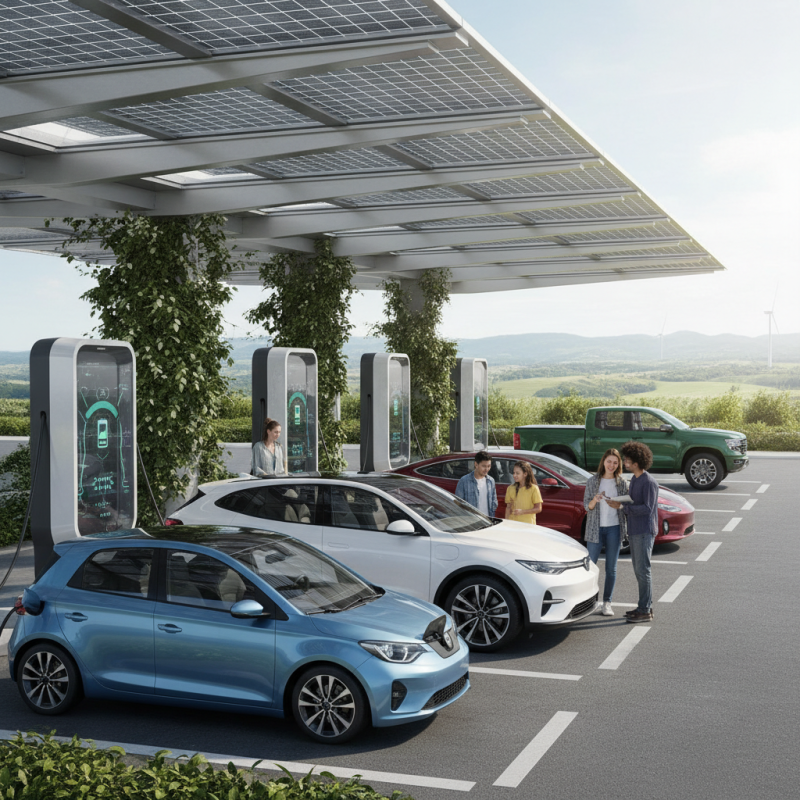
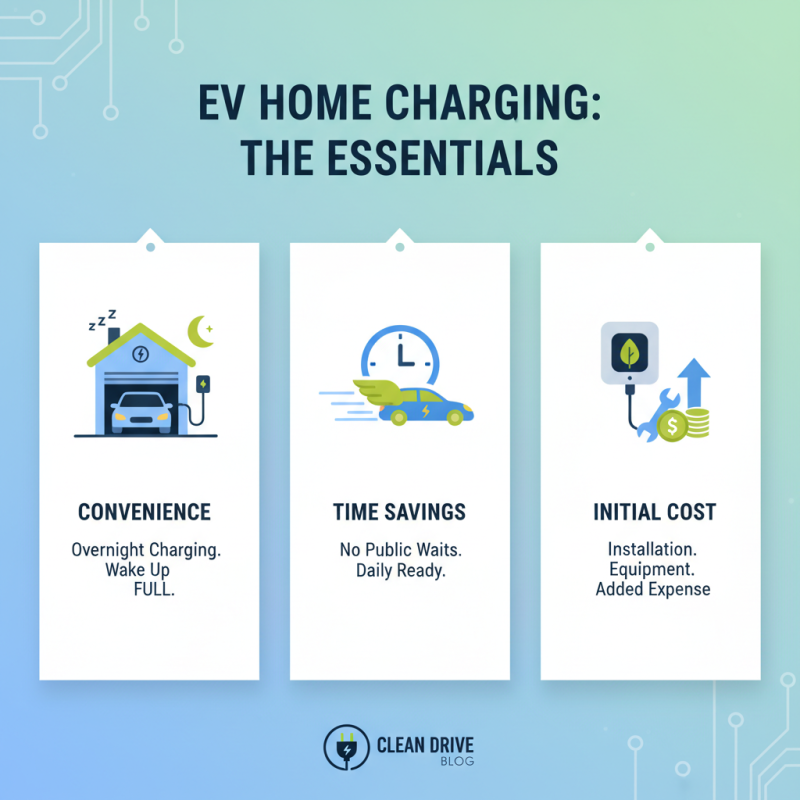
When considering fully electric cars, charging infrastructure is a key factor. Home charging can offer convenience. You can charge overnight while you sleep, waking up to a full battery. It can save you time, avoiding long waits at public charging stations. However, home charging may require installation of a charging unit. This can be an additional cost for some.
Public charging options are also essential. They can provide flexibility for long trips. However, charging stations may not always be available. Some locations might have long queues, particularly during peak hours. It’s helpful to plan your route around these charging stations.
Tips: Research your local charging options before purchasing an electric car. Consider your driving habits and where you typically travel. Always have a backup plan for charging. You may face unexpected delays. Pay attention to the charging speed at public places. Those with faster chargers can significantly reduce your wait time.
Top Models Comparison: Leading Electric Cars in the Market Today
When choosing the best fully electric cars, consider many factors. Range is crucial. Some models can travel over 300 miles on a single charge, while others may fall short. Think about your daily driving needs. If you commute long distances, a higher range might be necessary.
Charging options also play a significant role. Some electric cars support fast-charging, which can be a game-changer. Imagine charging your vehicle in under an hour while you grab a coffee. On the flip side, models that take longer to charge might require more planning for longer trips. Battery life and performance vary as well. Some cars lose performance over time.
Another aspect to analyze is technology and features. Advanced infotainment systems are common. Some models include driver-assistance features that enhance safety. However, not all systems work seamlessly. You may find glitches or user frustrations. Test drives can reveal these issues. Pay attention to how the car feels on the road and if it meets your expectations.