China Top Phev Cars Overview and Their Impact on the Automotive Market?
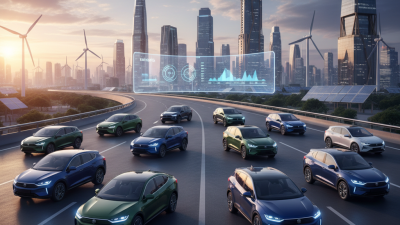
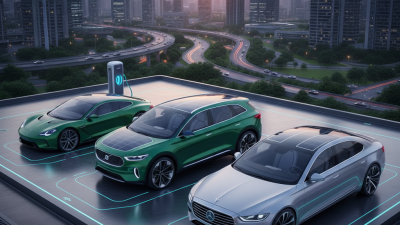
The rise of PHEV (Plug-in Hybrid Electric Vehicle) cars in China marks a significant trend in the automotive market. These vehicles blend electric power with traditional combustion engines, offering consumers a versatile driving experience. As more automakers invest in PHEV technology, the market sees an influx of models. This expansion is reshaping consumer preferences and industry standards.
PHEV cars cater to various needs, from urban commuting to long-distance travel. They promise lower emissions and improved fuel efficiency. While these cars are praised for their eco-friendliness, there are challenges. The infrastructure for charging stations is still developing. Moreover, cost and consumer awareness play roles in their adoption.
Examining the impact of PHEV cars reveals a dynamic automotive landscape. Their popularity influences manufacturing practices and regulations. While manufacturers strive for innovation, they must also address concerns about sustainability and efficiency. The future of PHEV cars in China remains an important topic, inviting both optimism and critical reflection.
Overview of PHEV Technology in China's Automotive Sector
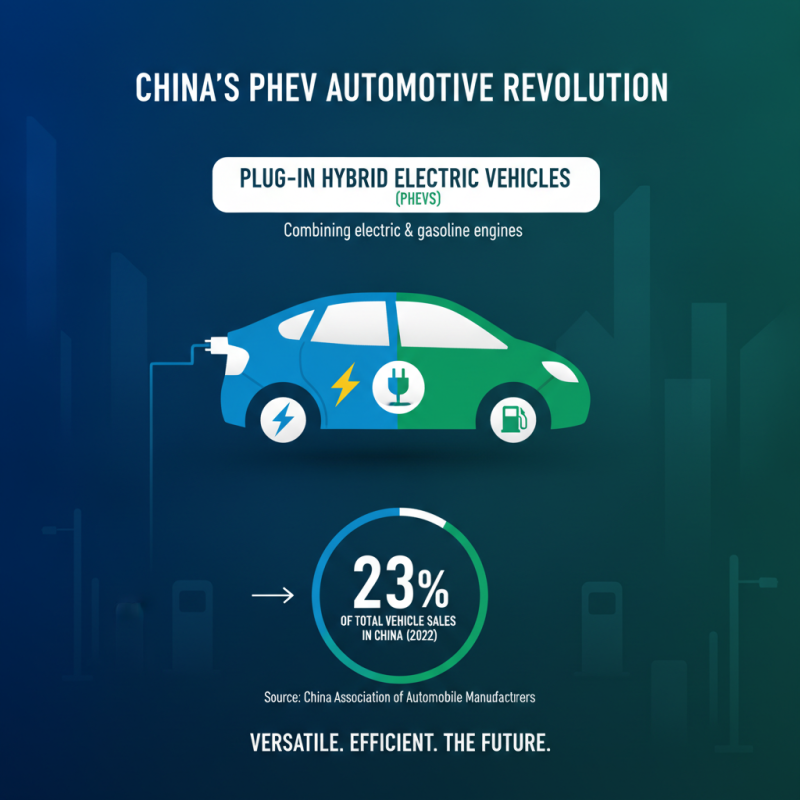
PHEV technology is revolutionizing China’s automotive landscape. A recent report from the China Association of Automobile Manufacturers noted that plug-in hybrid electric vehicles (PHEVs) accounted for 23% of total vehicle sales in 2022. This shift highlights the growing consumer preference for versatile vehicles that combine electric and traditional gasoline engines.
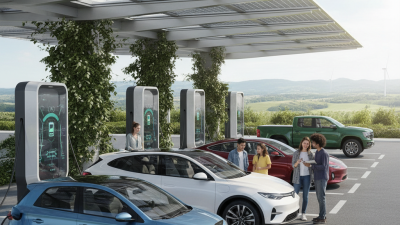
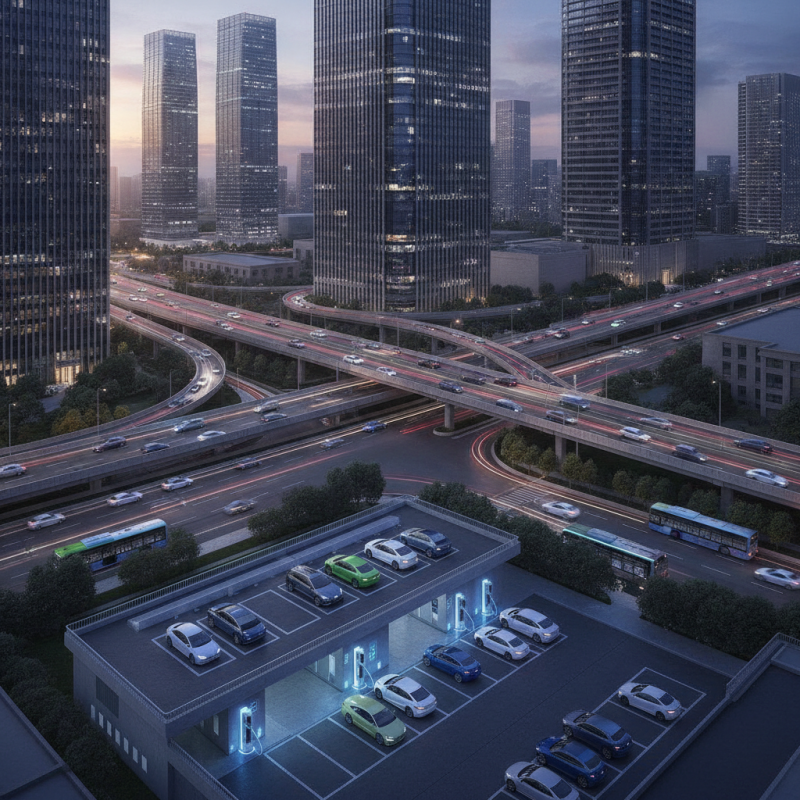
The key to PHEV's success lies in their practicality. With the rising urbanization and stringent emissions regulations, more drivers are seeking sustainable options. According to sources, PHEVs offer an average range of 50 to 90 kilometers on electric power alone, making them suitable for daily commutes. Moreover, charging infrastructure is expanding rapidly, with over 1.2 million public charging points reported by the end of 2022.
However, challenges remain. The complexity of dual powertrains can lead to higher maintenance costs. Additionally, concerns about battery life and performance can deter potential buyers. As manufacturers innovate, addressing these issues may ensure that PHEVs remain competitive in a market increasingly driven by sustainability.
Key Players in the Chinese PHEV Market
The Chinese PHEV market features several key players driving innovation. These companies have developed vehicles that blend electric and gasoline power. This hybrid approach meets diverse consumer needs in urban and rural areas. Sales are growing rapidly, pushing the market's boundaries.
Analysis shows that established brands hold considerable market share. However, newer entrants are gaining traction by focusing on technology and design. They target younger consumers who value sustainability. Yet, challenges persist. Some vehicles have limited electric-only ranges, leading to consumer hesitancy.
Moreover, market competition leads to price wars. Brands might compromise on quality to stay competitive. This raises concerns about long-term reliability. Regulatory changes are frequent, causing uncertainty among manufacturers. Adapting to these shifts is crucial for sustained success. The dynamic landscape of the Chinese PHEV market is both promising and complex.
Analysis of Popular PHEV Models in China
In recent years, plug-in hybrid electric vehicles (PHEVs) have gained significant traction in China. According to the China Association of Automobile Manufacturers (CAAM), PHEV sales increased by over 100% in 2021. This surge reflects a broader shift towards environmentally friendly technologies. The Chinese government offers incentives for PHEVs, leading to their popularity among consumers seeking eco-friendly options.
Popular PHEV models are characterized by their balance of electric and gasoline power. Many vehicles offer an all-electric range of 50 to 100 kilometers. The effective use of electricity reduces fuel costs for drivers. However, challenges remain in charging infrastructure. Many regions still lack sufficient charging stations, which can deter potential buyers.
Moreover, PHEVs are not just a temporary trend. Market analysis forecasts that by 2025, PHEVs could make up over 30% of total vehicle sales in China. Yet, questions remain about their long-term sustainability. While they reduce emissions compared to traditional vehicles, the production and disposal of batteries introduce environmental concerns. Understanding these factors is crucial for assessing PHEVs' role in the automotive future.
Market Trends and Consumer Preferences for PHEVs in China
In recent years, plug-in hybrid electric vehicles (PHEVs) have gained popularity in China. This shift reflects changing consumer preferences towards more eco-friendly options. Many buyers seek vehicles that balance performance and sustainability. PHEVs offer this blend, appealing to drivers who want to reduce emissions without sacrificing range and convenience.
Market trends show a growing fascination with technology and features in PHEVs. Consumers are drawn to advanced safety systems and smart connectivity. However, there are concerns about charging infrastructure. Not all cities have adequate facilities, creating challenges for potential buyers.
Additionally, some consumers need more clarity on long-term savings versus initial costs. This hesitation impacts their purchasing decisions.
Investors and manufacturers closely monitor these trends. Understanding consumer preferences aids in developing better models. Some industry experts stress the need for continuous improvement in battery technology. As awareness of environmental issues rises, the demand for PHEVs is likely to shape the automotive market's future. The journey of adopting these vehicles is ongoing.
Impact of PHEVs on China's Environmental and Economic Goals
In recent years, plug-in hybrid electric vehicles (PHEVs) have gained traction in China. This is due to their dual propulsion systems, which combine electric power with traditional combustion engines. The appeal lies in their ability to reduce emissions while still providing the convenience of gasoline engines. For many drivers, this means less range anxiety and more flexibility.
The impact of PHEVs on China's environmental goals is significant. They help to lower urban air pollution by reducing reliance on fossil fuels in cities. However, the shift requires robust charging infrastructure. Without sufficient support, adoption rates may stagnate. Economic growth also benefits as PHEVs create new jobs in manufacturing, tech, and renewable energy sectors.
Yet, the focus on PHEVs shouldn't divert attention from fully electric vehicles. The latter are crucial for achieving long-term sustainability. Balancing immediate economic needs with future ecological goals is challenging. Policymakers face pressure to maintain economic stability while pushing for greener alternatives.
The ongoing reliance on fossil fuels complicates this shift. Incentives for PHEV adoption are critical, yet the industry must remain vigilant. Real progress demands a collective effort from consumers, manufacturers, and the government.