Top 10 Benefits of New Energy Cars for Global Buyers?
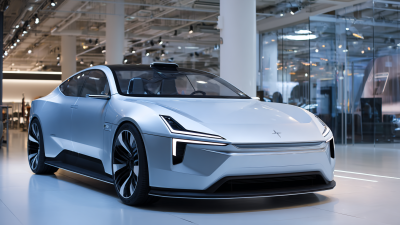
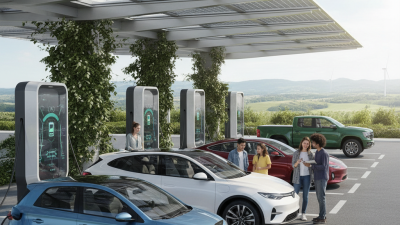
The automotive industry is undergoing a transformative shift. New Energy Cars are at the forefront of this revolution. As Dr. Emily Chen, a renowned expert in electric vehicle technology, stated, "New Energy Cars represent a sustainable future for urban mobility." This statement underscores the importance of understanding the benefits these vehicles offer to global buyers.
New Energy Cars are not just about reducing carbon emissions. They also provide significant cost savings on fuel and maintenance. Many buyers are drawn to the long-term financial benefits. However, there are aspects needing improvement. Charging infrastructure remains a concern, and range anxiety still affects consumer decisions.
In exploring the top ten benefits of New Energy Cars, it is crucial to acknowledge these limitations. The environmental impact is clear, but potential buyers must also weigh factors like convenience and accessibility. Only by addressing these challenges can we fully embrace the potential of New Energy Cars in the global market.
Advantages of Reduced Emissions from New Energy Cars
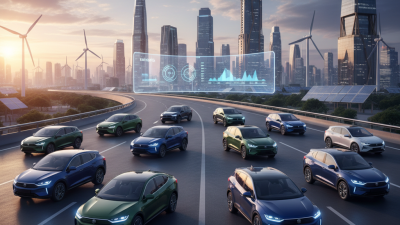
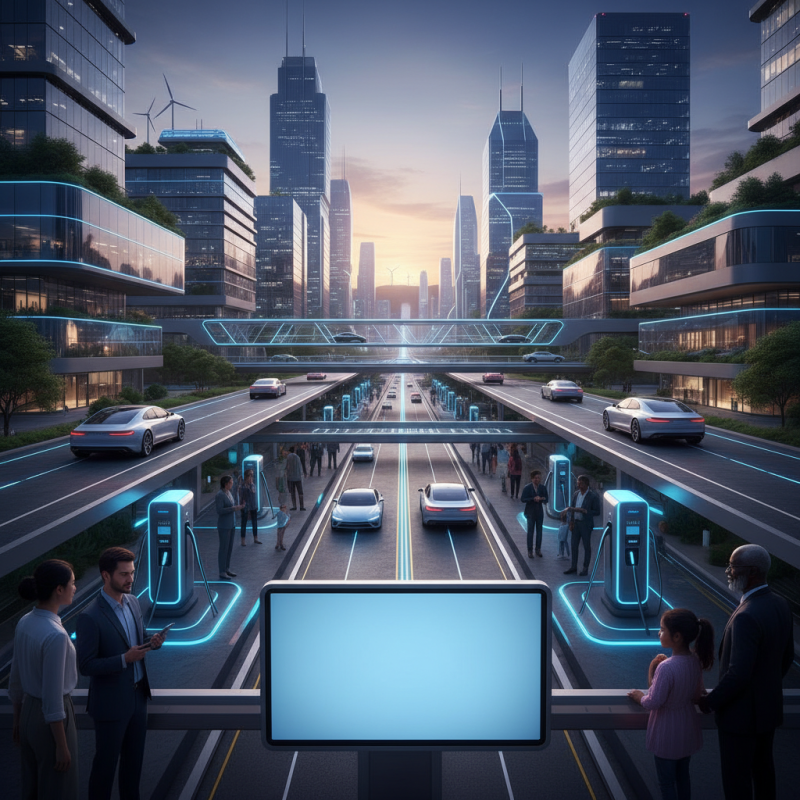
New energy cars are gaining traction among global buyers. One of the most significant benefits is their potential for reduced emissions. Traditional vehicles produce large quantities of greenhouse gases. In contrast, new energy cars often operate with zero tailpipe emissions. This shift contributes to cleaner air and a healthier environment.
These vehicles utilize electric power or alternative fuels, which can lower carbon footprints. For urban areas, this is critical. Many cities struggle with pollution and health issues linked to vehicle emissions. Electric vehicles, for instance, contribute significantly less to air degradation. This helps alleviate public health concerns over respiratory illnesses.
However, the transition isn’t perfect. The production of batteries for electric cars often involves environmentally harmful materials. Furthermore, the source of electricity matters. If fossil fuels power the grid, the emissions reduction is not as significant. Continuous research and better sourcing of energy are needed. As more countries promote renewable energy, the benefits of new energy cars can expand.
Cost Savings from Electric Vehicles Compared to Traditional Cars
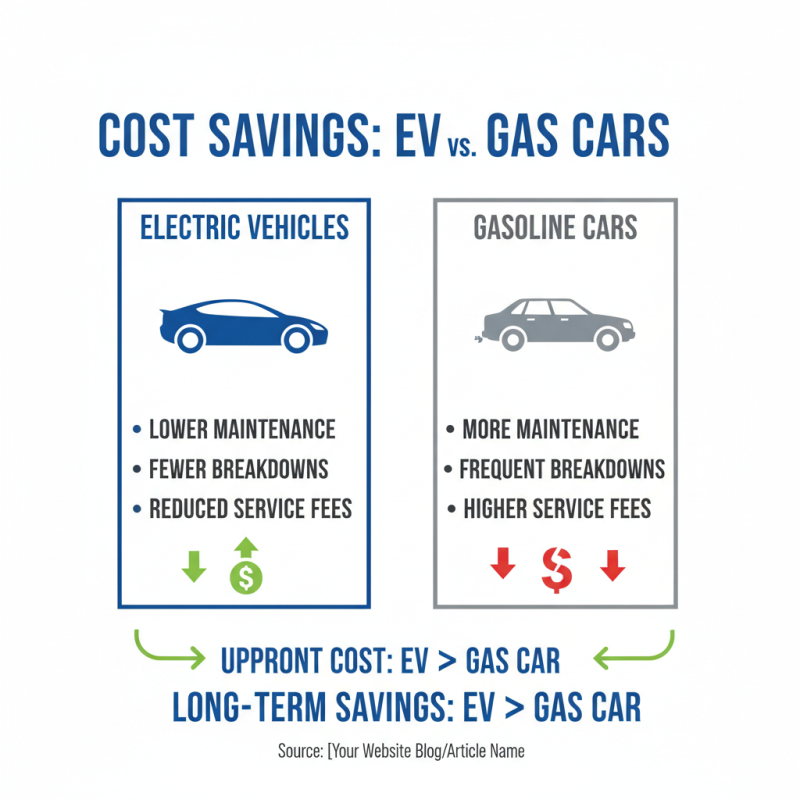
The shift to electric vehicles (EVs) is changing the game for global buyers. A significant benefit is cost savings. Electric vehicles typically require less maintenance than traditional gasoline cars. With fewer moving parts, they experience fewer breakdowns. This translates into lower service fees. While EVs have a higher upfront cost, savings accumulate over time.
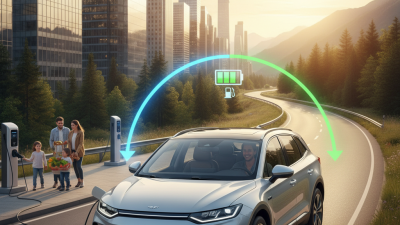
Electricity prices are often lower than gas prices. Charging an electric vehicle at home can be substantially cheaper than visiting a gas station. Many regions offer incentives for EV buyers, reducing the overall purchase price. It's crucial to consider local electricity rates and potential subsidies. These factors greatly impact long-term savings.
Many buyers find charging infrastructure lacking. In some areas, public charging stations are scarce. This can deter potential EV adopters and affect convenience. Range anxiety is another concern, leading to hesitancy about switching. A thoughtful evaluation of these aspects is essential before making a decision. Buyers should weigh the benefits against local circumstances for informed choices.
Enhanced Driving Experience with Advanced Technology in New Energy Cars
The advent of new energy cars has revolutionized the driving experience with cutting-edge technology. These vehicles integrate advanced features like regenerative braking, smart navigation, and AI-based driving assistance. According to a 2023 report by the International Energy Agency, the global electric vehicle market is projected to reach 20 million units by 2025. This growth indicates that buyers are eager for innovative automotive experiences.
New energy cars also offer enhanced connectivity. Features like real-time traffic updates and smartphone integration ensure drivers stay informed. However, while technology improves driving, it can distract some users from essential tasks. A 2023 survey revealed that up to 30% of drivers reported difficulties with tech interfaces. Balancing advanced technology with user-friendliness is critical.
Tip: Familiarize yourself with your car's technology before hitting the road. This can enhance safety and enjoyment. Also, be wary of over-reliance on automated features, as they can lead to complacency.
Another striking benefit is the autonomous driving capability in some models. This technology can reduce human error and improve traffic flow. Yet, reliance on AI can sometimes lead to unexpected outcomes. A 2023 study showed that 15% of drivers felt uneasy with fully autonomous features. Continuous adaptation to these advancements is necessary for optimal usage.
Top 10 Benefits of New Energy Cars for Global Buyers
| Benefit |
Description |
Environmental Impact |
Cost Efficiency |
| Reduced Emissions |
Significantly lower greenhouse gas emissions compared to conventional vehicles. |
High |
Savings on fuel costs. |
| Energy Efficiency |
New energy cars convert a higher percentage of electrical energy from the grid to power at the wheels. |
High |
Lower operational costs over time. |
| Advanced Technology |
Equipped with the latest features like autonomous driving and connectivity. |
Medium |
Potential decrease in insurance costs due to safety features. |
| Quiet Operation |
Operates much quieter than traditional gasoline vehicles. |
Low |
No fuel costs when driven on electric. |
| Regenerative Braking |
Recovers energy during braking for better efficiency. |
High |
Extended range of travel. |
| Government Incentives |
Various tax benefits and rebates for electric vehicles. |
Medium |
Reduction in total purchase price. |
| Less Maintenance |
Fewer moving parts lead to lower maintenance costs. |
Low |
Savings on mechanic services. |
| Tax Rebates |
Many regions offer tax reductions for electric vehicle owners. |
Medium |
Effective savings on annual taxes. |
| Home Charging |
Convenient charging at home, eliminating trips to gas stations. |
Low |
Time savings and lower fuel costs. |
| Public Charging Infrastructure |
Expanding availability of charging stations improves feasibility of use. |
Medium |
Reduces range anxiety for longer journeys. |
Incentives and Support for New Energy Car Buyers Worldwide
Incentives for new energy car buyers are growing worldwide. Many governments offer substantial tax rebates. These can often reduce the purchase price significantly. Some countries even provide exemptions from tolls and parking fees. With these incentives, buyers can save money while helping the environment.
Support programs also include grants for charging stations. Home charging setups may get financial backing from local authorities. This support makes it easier for buyers to transition to electric vehicles. However, installing a charging station can be complex, depending on regional regulations.
Tips: Research your local incentives and grants. Understanding the eligibility can maximize your savings. Contact local authorities for up-to-date information. Be aware that incentives may change over time. Each market has unique conditions, so stay informed to make the best choice.
Top 10 Benefits of New Energy Cars for Global Buyers
Improved Energy Independence Through Adoption of New Energy Vehicles
The rise of new energy vehicles (NEVs) significantly enhances energy independence for nations worldwide. By adopting NEVs, buyers reduce their reliance on fossil fuels. This shift leads to a decrease in imported oil, fostering national security. Many countries face fluctuating oil prices and geopolitical tensions related to energy sources. NEVs provide a buffer against these uncertainties, promoting a more stable economy.
New energy cars often rely on locally sourced energy. Solar, wind, and hydroelectric power are becoming more accessible. As consumers charge their vehicles from renewable sources, they contribute to a cleaner environment. This encourages investment in sustainable infrastructure, vital for long-term energy strategies. However, the transition is not without challenges. Existing grid systems need upgrades to support widespread NEV adoption. Additionally, battery recycling and disposal require innovative solutions to minimize environmental impact.
While NEVs can lead to energy independence, the shift must be carefully managed. Urban planning should accommodate new charging stations for easy access. Public education on the benefits of NEVs is essential to foster acceptance. People may still hesitate due to range anxiety or perceived higher costs. A collective push towards these vehicles can drive awareness and acceptance. Addressing these issues ensures a smoother transition to a sustainable future.