Top 10 Benefits of Driving a Hybrid Car for Eco Friendly Commuting?
As climate change continues to pose a significant threat, eco-friendly solutions gain importance. Among these, the hybrid car stands out. In 2022, hybrid vehicles accounted for approximately 7% of total car sales in the U.S. This reflects a growing awareness about sustainable commuting options.
Driving a hybrid car can significantly reduce carbon emissions. According to the U.S. Environmental Protection Agency, hybrids emit up to 40% less CO2 than conventional vehicles. Additionally, the average fuel economy for hybrids is around 50 miles per gallon, compared to 24 mpg for gas-only vehicles. This means savings at the pump, which is increasingly crucial with fluctuating fuel costs.
However, there are challenges associated with hybrid cars. The initial purchase price can be higher than traditional models. Some drivers may find battery replacement intimidating or confusing. Yet, many still see the long-term benefits and potential savings. Ultimately, hybrid cars can enhance eco-friendly commuting, encouraging more individuals to consider sustainable practices.
Benefits of Lower Emissions in Hybrid Cars for Eco-Friendly Commuting
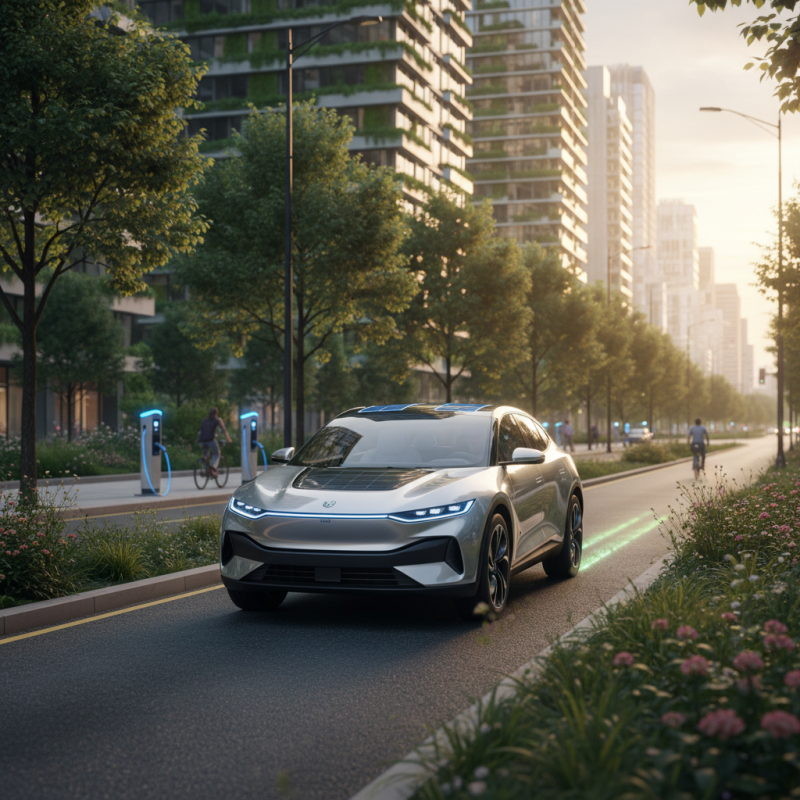
Driving a hybrid car can significantly reduce emissions, contributing to eco-friendly commuting. Research indicates that hybrid vehicles emit up to 40% less carbon dioxide than traditional gasoline cars. This reduction plays a crucial role in combating air pollution, especially in urban areas where traffic congestion is high.
Hybrids are designed to maximize fuel efficiency. They can achieve an average of 50 miles per gallon, depending on driving conditions. This efficiency not only conserves fuel but also minimizes the environmental impact of daily commutes. For instance, a driver covering 15,000 miles annually can save over 1,000 pounds of CO2 emissions. Every saved pound counts toward a cleaner atmosphere.
Despite these benefits, hybrid technology has its challenges. Some owners experience a learning curve regarding battery upkeep. Others worry about battery disposal issues at the end of a hybrid's life cycle. These concerns highlight the need for ongoing discussions about sustainable practices within the automotive industry. As hybrid cars become more popular, it’s essential to address these imperfect aspects while maximizing their potential for greener commuting.
Top 10 Benefits of Driving a Hybrid Car for Eco-Friendly Commuting
Fuel Efficiency: How Hybrid Cars Reduce Fuel Consumption and Costs
Hybrid cars are designed to be fuel-efficient, which directly benefits both drivers and the environment. By combining a traditional gasoline engine with an electric motor, these vehicles significantly reduce fuel consumption. This is especially helpful for daily commuters, who often face rising fuel prices. With improved mileage, drivers spend less at the pump, which can translate to substantial savings over time.
Many hybrid models can achieve up to 50 miles per gallon, depending on driving conditions. Even in city traffic, hybrids excel, using electric power at low speeds. Unfortunately, some drivers remain hesitant about fully embracing hybrid technology. They wonder if upfront costs outweigh the long-term savings. However, as fuel prices fluctuate, the economics of owning a hybrid often become more favorable.
Moreover, this dual system can lead to a more thoughtful driving experience. Drivers learn to adapt their habits for maximum efficiency, which can be a challenge. It takes time to adjust to monitoring battery usage, for example. There may be moments of frustration while grappling with different driving modes. Yet, this fosters a deeper connection to the art of commuting. Ultimately, choosing a hybrid car is about more than just fuel efficiency; it's a commitment to a more sustainable lifestyle.
Tax Incentives and Rebates for Hybrid Car Owners: An Eco-Friendly Advantage
Tax incentives and rebates for hybrid car owners create a compelling reason to consider eco-friendly commuting. Many governments offer substantial financial benefits. These incentives can significantly lower the purchase price of hybrid vehicles. As fuel prices rise, saving on vehicle costs is increasingly appealing.
Some regions offer tax credits that can amount to thousands of dollars. These credits help offset the higher upfront costs of hybrids. Additionally, some states provide rebates on registration fees. These rebates encourage more drivers to consider green options. However, it’s essential to note that these benefits can vary widely. Some areas may have less generous programs or none at all.
Not everyone takes advantage of these incentives. Many potential hybrid buyers remain unaware of what’s available. Information gaps can lead to missed opportunities. Understanding local regulations is crucial for maximizing these benefits. Interested buyers should research thoroughly. This ensures they don’t overlook potential savings. Eco-friendly commuting can be more accessible with the right financial advantages in place.
The Impact of Hybrid Cars on Urban Air Quality and Sustainability
Hybrid cars are becoming popular in urban areas. They use both electric and gasoline power, reducing emissions. This two-source energy model contributes to improved air quality in cities. Cleaner air can lead to fewer respiratory issues among residents. Many people are unaware of the link between vehicle emissions and health problems.
Urban air pollution is a pressing concern. Traditional vehicles release harmful pollutants, worsening the air. Hybrid cars help combat this issue, but there's still room for improvement. They are not a complete solution. The transition to greener transportation is complex and ongoing. Some drivers may still ignore the environmental benefits, choosing convenience over sustainability.
In addition, many cities are investing in hybrid technology. They seek to create a cleaner, more sustainable future. This change does not happen overnight, though. Public awareness and education are crucial. More people must recognize their role in pollution. Hybrid cars are a step forward, but they reflect only part of a larger challenge in urban sustainability.