Top 10 Auto Car Tips for Beginners to Save Money and Time?
Navigating the world of Auto Cars can be overwhelming, especially for beginners. With a myriad of choices and responsibilities, new drivers often feel lost. Understanding basic tips can help avoid wasted time and unnecessary expenses.
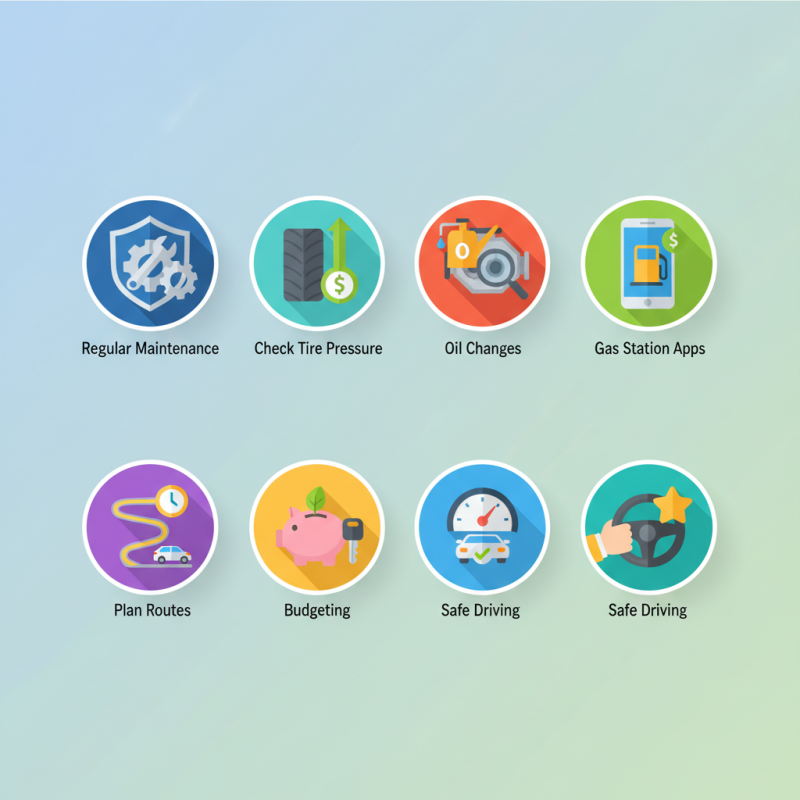
By learning a few key strategies, beginners can enhance their driving experience. Maintenance is crucial for any Auto Car. Regular check-ups can prevent expensive repairs. Simple tasks, like checking tire pressure or changing oil, make a significant difference.
Many newbies overlook important details. Ignoring these can lead to problems later. Always have a trusted mechanic on hand. Financial considerations matter too. Using gas station apps can save money on fuel. Planning routes ahead of time can reduce wear on your Auto Car. These tips not only enhance efficiency but also build confidence behind the wheel.
Understanding Essential Car Maintenance for Cost Savings
Understanding essential car maintenance is vital for beginners. Regular checks can save money in the long run. Start with the oil change. It’s easy to forget but crucial for engine health. Regularly inspect your oil level and change it according to the manual. Skipping this can lead to costly repairs.
Tire maintenance is another important area. Check the pressure monthly. Properly inflated tires improve fuel economy and handling. Also, rotate your tires every few thousand miles. This simple task extends their lifespan. Remember, ignoring tire care can lead to dangerous blowouts.
Don’t overlook battery care. Clean the terminals to prevent corrosion. Replace the battery every three to five years. It’s frustrating to be stranded due to a dead battery. Learn to recognize the signs of a weak battery. Maintaining your vehicle is a continuous process. There will be mistakes, but learning from them is key.
Choosing Fuel-Efficient Vehicles to Maximize Savings
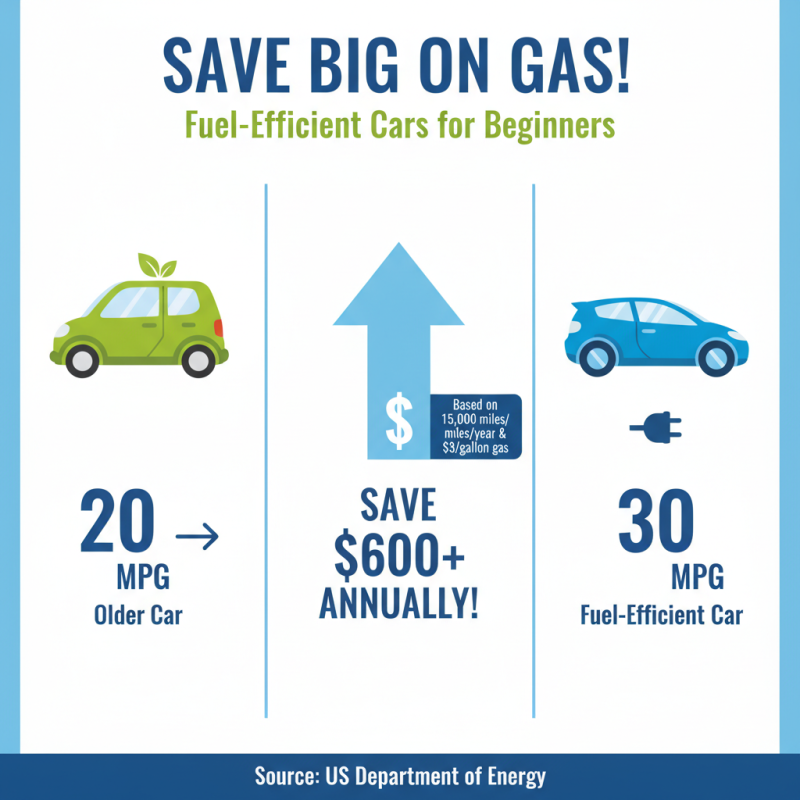
Choosing a fuel-efficient vehicle is crucial for beginners looking to save money. Data from the U.S. Department of Energy shows that fuel-efficient cars can save drivers significant amounts on gas. For instance, switching from a 20 MPG vehicle to one that achieves 30 MPG can save a driver over $600 annually based on a yearly mileage of 15,000 miles and fuel prices around $3 per gallon.
When selecting a vehicle, consider hybrid or electric options. They typically offer lower operating costs and better mileage. According to the EPA, electric vehicles can cost as little as $0.03 per mile to operate, while traditional gasoline cars average around $0.14 per mile. This stark difference highlights the potential for long-term savings.
However, fuel efficiency is not the only aspect to reflect on. Many buyers often overlook the upfront costs versus long-term benefits. Some fuel-efficient models can have higher sticker prices, making budgeting crucial. Assessing the total cost of ownership becomes vital. A vehicle’s resale value and maintenance costs also play significant roles in your wallet's health.
Scheduling Regular Tune-Ups to Prevent Costly Repairs
Regular tune-ups are a crucial aspect of vehicle maintenance. They help identify potential issues before they escalate into costly repairs. According to industry reports, neglecting regular maintenance can lead to repairs averaging $500 to $1,000. A simple tune-up can be significantly cheaper.
Here are a few tips for beginners. Schedule your tune-ups every 5,000 to 7,500 miles. This frequency can maintain your vehicle’s performance. Engine issues often arise from neglect. Pay attention to warning lights too. Ignoring these signals can lead to expensive fixes.
Additionally, keep records of your maintenance. This not only helps you track services but also establishes a history that can aid mechanics. Some studies suggest that well-documented vehicles retain their value better. Remember, saving money starts with being proactive about car care.
Top 10 Auto Car Tips for Beginners to Save Money and Time
| Tip Number |
Maintenance Tip |
Frequency |
Estimated Savings |
| 1 |
Regular Oil Changes |
Every 5,000 miles |
$30-$50 |
| 2 |
Tire Rotations |
Every 6,000-8,000 miles |
$20-$50 |
| 3 |
Battery Checks |
Twice a year |
$100-$200 |
| 4 |
Brake Inspections |
Every 10,000 miles |
$150-$300 |
| 5 |
Fluid Checks |
Monthly |
$10-$50 |
| 6 |
Air Filter Replacements |
Every 15,000-30,000 miles |
$20-$40 |
| 7 |
Windshield Wiper Replacement |
Every 6-12 months |
$10-$30 |
| 8 |
Light Bulb Replacements |
As needed |
$10-$30 |
| 9 |
Alignment Checks |
Every 6,000 miles |
$75-$100 |
| 10 |
Regular Tune-Ups |
Every 30,000 miles |
$100-$300 |
Utilizing Public Resources for Car Care Knowledge
Utilizing public resources for car care knowledge is essential for beginners. Many people overlook community resources like libraries, workshops, and online forums. These platforms offer valuable information without cost. You can find manuals, guides, and tutorials that help you understand your vehicle better.
Many local community centers hold free workshops on car maintenance. Attending these sessions can be beneficial. You can learn how to change oil, check fluids, or rotate tires. Yet, some may feel intimidated. Engaging with others in the community can ease this anxiety. Embrace the chance to ask questions and gain hands-on experience.
Online resources are also plentiful. Websites and discussion boards can provide guidance and tips. However, be cautious. Not all information is accurate. Verify the advice you find and cross-check with trusted sources. Utilizing these public resources can save you time and money as you learn to care for your car effectively.
Top 10 Auto Car Tips for Beginners to Save Money and Time
The following bar chart displays the top 10 auto car tips for beginners, along with their estimated percentage savings in both time and money.
How to Smartly Shop for Car Insurance and Save Money
Finding the right car insurance can be overwhelming, especially for beginners. Start by assessing your needs. Think about coverage types, limits, and deductibles. Look for basic coverage that fits your budget. Do not rush; take time to research. This can save you money in the long run.
Compare quotes from different providers. Gather at least three quotes for a fair comparison. Use online tools for quick estimates. This helps you find the best deal. Sometimes, a lower premium means less coverage. Be cautious about this.
Consider discounts you may qualify for. Many companies offer savings for bundled policies or safe driving. Ask about student discounts, too. If your record is clean, leverage it. Analyzing your choices can feel daunting. Reflect on your past experiences and learn from them. This process may take time, but it is worth it.