Most Affordable Electric Cars You Need to Consider?
The rise of electric vehicles (EVs) is driving significant changes in the automotive market. As of 2023, studies show that EV sales have surged by 60% globally. Amidst this trend, the search for the "Most Affordable Electric Car" has intensified. More consumers are looking for budget-friendly options without compromising on quality or features.
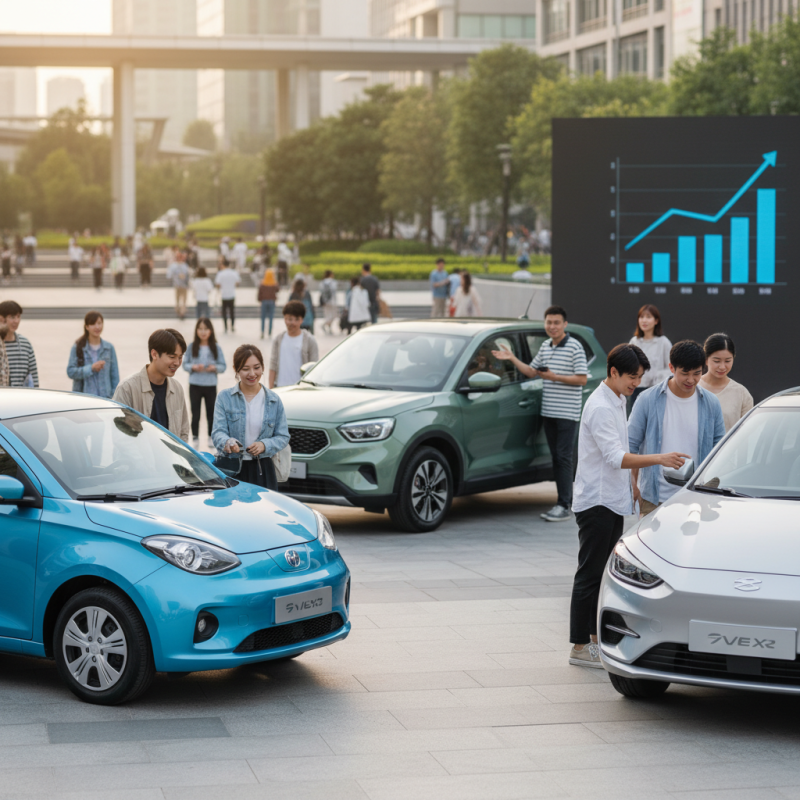
Research from industry analysts highlights that affordability in EVs is crucial for broad adoption. For instance, the average cost of an electric car is still above $55,000. However, several models are emerging under the $30,000 mark, making them accessible to more buyers. This affordability trend shifts the market, allowing younger and lower-income consumers to consider EVs.
Despite these positive advancements, challenges remain. Some affordable models sacrifice range and features to keep costs down. Buyers may feel hesitant about performance or technology when choosing budget models. Thus, while options are increasing, buyers must still weigh their priorities carefully. The quest for the "Most Affordable Electric Car" is ongoing, prompting reflection on both advantages and limitations.
Overview of Electric Cars and Their Importance
Electric cars are becoming essential in our transition to sustainable transport. They offer a clean alternative to traditional vehicles. With growing concerns about environmental impact and climate change, electric cars play a pivotal role in reducing carbon emissions. Many people now see these vehicles as vital for a healthier planet.
The affordability of electric cars has improved significantly. More models are available at lower price points. However, buyers should consider additional costs like charging infrastructure. Not everyone has easy access to charging stations. This can create struggles for those in urban areas or without private parking. Range anxiety is still a prominent issue, often influencing buying decisions.
Electric vehicles must also address performance and battery life. Many electric cars now provide long ranges, but not all models meet expectations. Potential buyers need to evaluate their driving habits. Preferences and needs can vary widely among consumers. The landscape is rapidly changing, and ongoing advancements in technology will shape the future of electric mobility.
Factors to Consider When Choosing an Affordable Electric Car
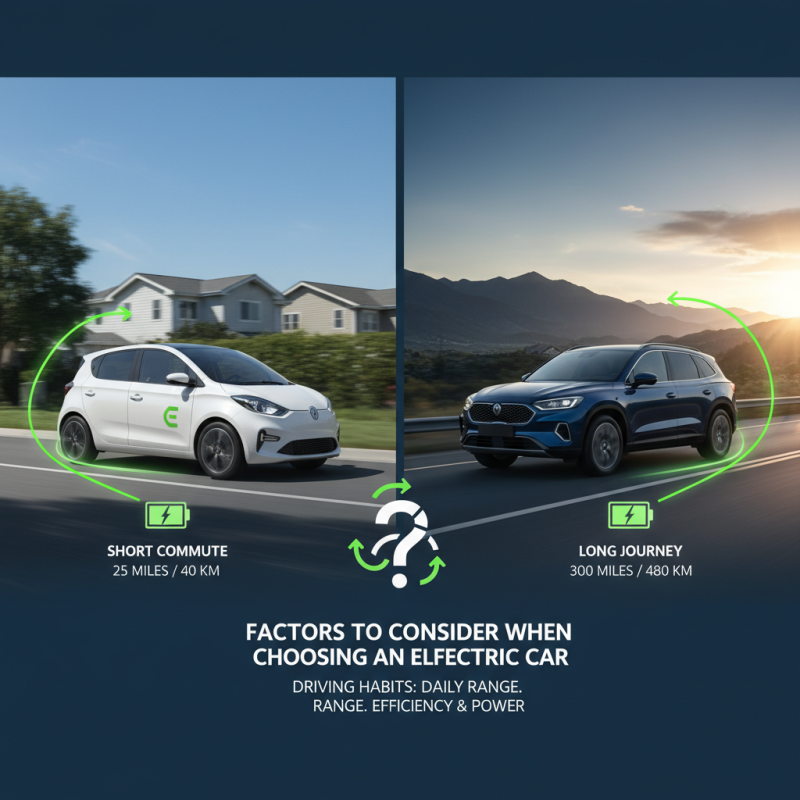
When choosing an affordable electric car, several factors come into play. First, consider your driving habits. Daily range is critical. If your commute is short, a lower-range model may suffice. However, frequent long trips necessitate a battery with more capacity. Look for options that blend efficiency with power.
Next, think about charging options. Home charging is often convenient, yet not everyone has easy access. Public charging stations can help, but they vary in frequency and reliability. Investigate local infrastructure before making a decision.
Lastly, factor in total cost of ownership. Look beyond the sticker price. Maintenance costs can vary significantly among models. Some cars may need fewer repairs, while others could have hidden expenses. Assessing these elements ensures a more informed choice. Making a choice can feel daunting, but reflecting on these issues gives clarity.
Top Affordable Electric Cars Currently on the Market
As electric cars become more popular, many are seeking affordable options. The current market offers several choices that combine budget-friendly pricing with efficiency. According to a recent report from the International Energy Agency (IEA), global sales of electric vehicles reached 6.6 million units in 2021, a significant increase from previous years. Despite this growth, many consumers still hesitate due to upfront costs.
Among the top affordable models, price points often remain under $30,000. Many vehicles can achieve over 200 miles on a single charge. The U.S. Department of Energy cites that the average electric car saves owners $800 annually on fuel. However, the market is not perfect. Factors like battery life and charging infrastructure still require improvement. Many buyers express concern about the availability of charging stations in rural areas. As cities invest in better infrastructure, more people may find electric vehicles appealing.
With customer preferences shifting, manufacturers must pay attention to feedback. Features like range anxiety are common issues. A 2022 survey revealed that 40% of potential buyers worry about running out of battery power. Addressing these concerns will be vital for future growth in the affordable electric vehicle segment.
Comparative Analysis of Pricing and Features of Selected Models
When exploring affordable electric cars, pricing and features are crucial. Many options exist that balance cost and functionality. For instance, one model offers great range for a lower price, yet lacks some advanced tech features. Another may be well-equipped but has a higher sticker price, making it less appealing for budget-conscious buyers.
Range is often a primary concern. Some models provide impressive mileage, while others barely meet daily commuting needs. Features like infotainment systems, safety technology, and interior space greatly vary among choices. A well-reviewed vehicle might skimp on cargo space, which could be a drawback for families. Additionally, charging speeds tend to differ. One car may boast fast-charging capabilities, while another takes longer to recharge, affecting convenience for users.
Affordability in the electric vehicle market doesn't always equate to value. It’s vital to assess the overall package. Potential buyers should consider personal usage aims. A more extensive look into warranty and service options can reveal hidden costs. While some vehicles may seem cheaper upfront, maintenance could add up over time.
Most Affordable Electric Cars You Need to Consider
| Model |
Starting Price ($) |
Range (miles) |
Charge Time (0-100%) |
Horsepower |
Key Features |
| Model A |
$29,500 |
250 |
6 hours |
200 |
Advanced Safety Features, Infotainment System |
| Model B |
$34,000 |
300 |
8 hours |
250 |
Autonomous Driving, Premium Interior |
| Model C |
$27,700 |
220 |
5 hours |
180 |
Compact Design, Enhanced Connectivity |
| Model D |
32,000 |
280 |
7 hours |
220 |
Full Electric, Long Warranty |
Future Trends in Affordable Electric Vehicles and Market Predictions
The electric vehicle market is rapidly evolving. More manufacturers are entering the scene, pushing innovation and affordability. Future trends indicate a significant shift toward compact electric cars. These vehicles are likely to be lighter, easier to maneuver, and more economical.
Battery technology is advancing, which reduces costs and increases range. This will attract budget-conscious consumers. Government incentives, eco-friendly policies, and urban planning initiatives also support the growth of affordable electric vehicles. Improved charging infrastructure will ease range anxiety, making electric cars more appealing to the masses.
However, challenges remain. Production costs and supply chain issues can affect prices. Not all regions have the same level of charging availability, creating disparities. Future models need thoughtful designs to balance cost, performance, and sustainability. As the market adapts, consumer education will be crucial. Understanding features and technology can guide choices. The journey toward truly affordable electric vehicles is both exciting and complex.